The initial European response to Donald Trump's military intervention in Venezuela has been branded as dangerously weak and short-lived, raising urgent questions about the continent's ability to defend international law in a shifting global landscape.
A Feeble and Fleeting European Stance
Following the illegal US action, European Union member states, on Sunday 4 January, pointedly refused to condemn the attack as a breach of international law. Instead, they issued a hopeful but vague call for "a negotiated, democratic, inclusive and peaceful solution to the crisis, led by Venezuelans." This stance was swiftly undermined by President Trump's blunt declaration to reporters the same day: "We're in charge."
The US President reiterated threats of further military action should the regime left behind after Nicolás Maduro's seizure fail to comply with Washington's demands. The operation, named Operation Absolute Resolve, has been widely interpreted as a raw exercise of power aimed at dominating a sovereign nation and controlling its future oil production, with the will of the Venezuelan people appearing to be a secondary concern.

Starmer and Macron's Evasive Positions
Faced with this naked imperialism, political leaders are being urged to abandon evasive tactics. French President Emmanuel Macron, having initially stressed the need for a democratic transition, stated on Monday that he "neither supported nor approved" the manner of Maduro's removal.
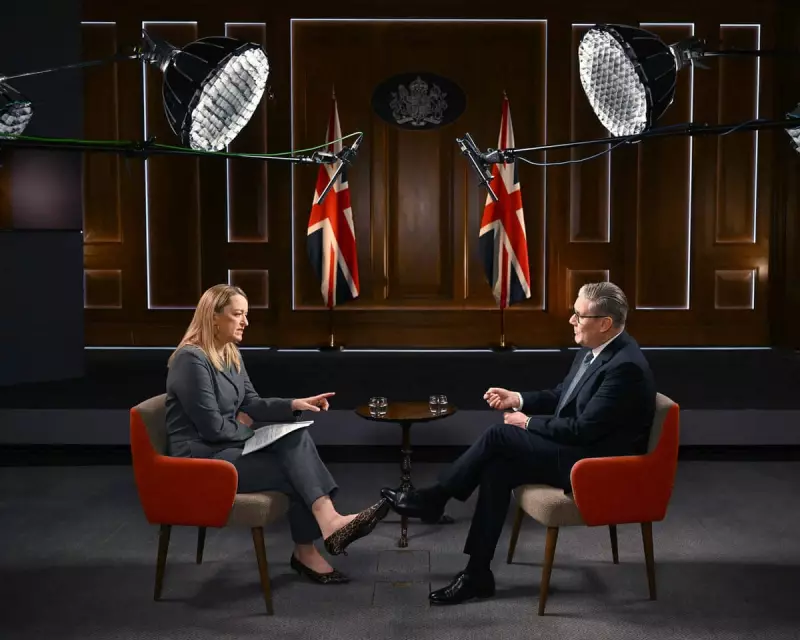
Labour leader Sir Keir Starmer is facing direct criticism for his own handling of the matter. During an interview with Laura Kuenssberg on the BBC's Sunday political show, his "evasions and obfuscations on the matter up to now have been painful to witness," according to observers. He is being pressed to follow Macron's lead and offer a clear condemnation.
The warning from Emily Thornberry, Labour chair of the Commons foreign affairs committee, that unchecked US action will embolden other global bullies to trash international norms, is seen as fundamentally correct.
The Urgent Need for a New European Strategy
The European reluctance to criticise Trump is partly rooted in the desire to keep the US onside during a crucial period for Ukraine, where future security guarantees are vital to counter Vladimir Putin's ambitions. However, this caution is creating a major blind spot.
Unchallenged, "America First" expansionism is becoming a clear geopolitical menace. The recent US claim on Greenland, an autonomous Danish territory, underscores the threat. Denmark's Prime Minister, Mette Frederiksen, stated in a radio interview that the US threat needed to be taken seriously – a startling admission of vulnerability.
The regime change in Caracas follows a bellicose US national security strategy pledging to "restore American preeminence in the Western Hemisphere." With Colombia, Cuba, and even NATO allies now in the spotlight, a dangerous new world order is forming rapidly. Europe must now find its voice to defend its values and build the tangible capacity to protect its own interests.