Hantavirus Outbreak on MV Hondius: Person-to-Person Spread Confirmed, Three Dead
Hantavirus on Cruise Ship: Three Dead, Person-to-Person Spread

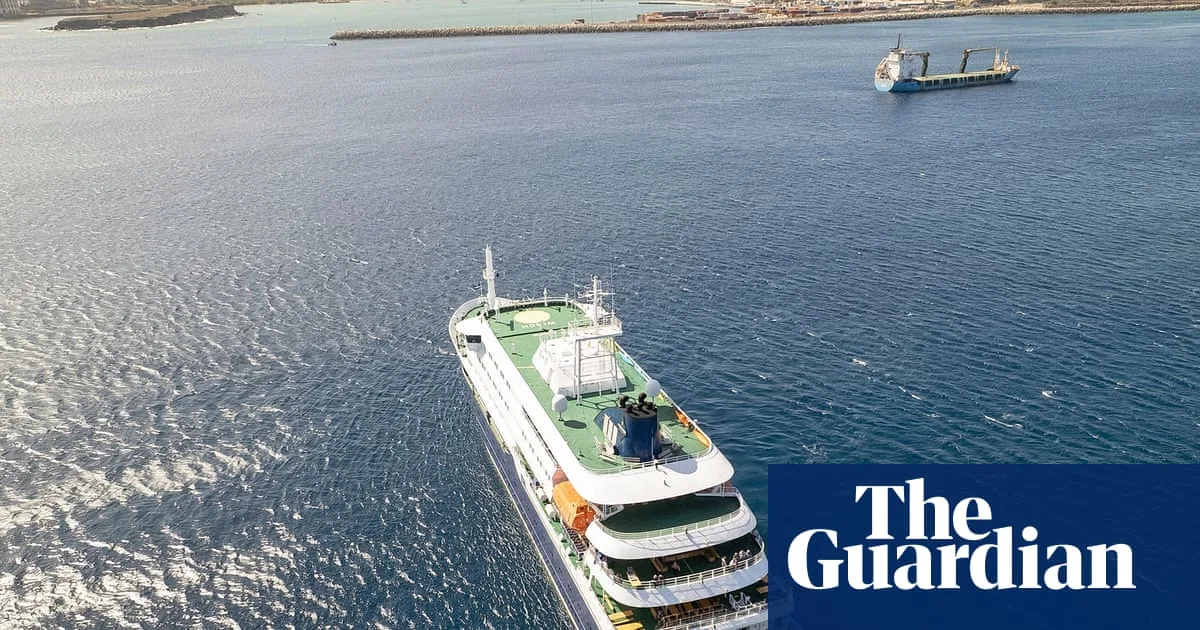
Fears are escalating over the deadly hantavirus outbreak aboard the MV Hondius cruise ship after officials confirmed that the strain involved can spread from person to person. The outbreak of this rare, rodent-borne illness, which carries a 40 percent mortality rate, has resulted in three deaths and several serious illnesses among passengers and crew. The vessel set sail from Argentina to Cape Verde in March and remains anchored in the Atlantic, hoping to dock in the Canary Islands, although the region's president stated earlier today that the request would be refused.

Andes Virus Identified

Hantaviruses are a deadly group of respiratory illnesses typically spread by inhaling particles from rodent droppings, urine, or saliva, though bites and scratches can also cause infection. While these viruses are not generally considered transmissible between humans, tests conducted by South Africa's National Institute for Communicable Diseases identified the strain on board as the Andes virus, which can be passed from person to person. The Andes strain was found to be the cause of infection in a Dutch woman who, along with her husband, died earlier this week. The same strain was also identified in a British passenger currently being treated in hospital in Johannesburg. A German national on board has also died from hantavirus, which experts warn can take hold in severe and aggressive ways.

Two Severe Illnesses

Hantaviruses can develop into two severe illnesses. The first, hantavirus pulmonary syndrome (HPS), causes fluid to build up in the lungs, leading to breathing difficulties and respiratory failure, and can be deadly in around 38 percent of cases. The second, haemorrhagic fever with renal syndrome (HFRS), attacks the kidneys and can trigger internal bleeding, dangerously low blood pressure, and acute kidney failure. Experts have warned how the virus can rapidly ravage the body once severe symptoms develop.

Wide Pickt banner — collaborative shopping lists app for Telegram, phone mockup with grocery list

Professor Jon Cohen, emeritus professor of Infectious Diseases at Brighton and Sussex Medical School, explained: "The New World viruses, found in North and South America, cause HPS, a particularly severe form of infection. After flu-like early symptoms, the person develops low blood pressure, difficulty breathing, build-up of fluid in the lungs, kidney failure, and often uncontrolled bleeding." Dr Giulia Gallo, postdoctoral scientist at The Pirbright Institute, added: "As the disease progresses, the lungs and heart become affected, with shortness of breath, hypotension, and chest pain. The patient would require intensive care and support for breathing to survive."

Symptoms and Progression

Early symptoms of the virus include fever, fatigue, and muscle aches, which can later progress to headaches, chills, nausea, vomiting, and diarrhoea. Signs usually appear between one and eight weeks after exposure to infected rodents. After four to ten days of infection, some patients develop severe breathing difficulties, chest tightness, and fluid accumulation in the lungs. Dr Toshana Foster, Associate Professor in Molecular Virology at the University of Nottingham, said symptoms are "often mistaken for the flu initially." She added: "In milder cases of HFRS, infected people may notice reduced urine output and back pain due to kidney injury. These symptoms can then progress, in the worst cases, to chest tightness, shortness of breath, dry cough, and respiratory failure."

No Specific Treatment

There is no specific treatment for hantavirus; patients are instead given supportive therapies like rest, hydration, and breathing support. The virus was first identified in South Korea in 1978, traced back to a field mouse. Today, there are around 150,000 to 200,000 cases per year, most of which come from China. According to the latest UK government guidance, there have been "very few cases" of hantavirus recorded in Britain. The first confirmed UK infection was identified in 2012 and linked to wild rats. In the US, around 890 cases were confirmed between 1993 and 2023. The rarity in the UK and US is believed to be partly due to fewer rodent species capable of carrying the virus compared with parts of Asia and Europe.

Pickt after-article banner — collaborative shopping lists app with family illustration

Evacuations and Response

It was confirmed on Wednesday that two seriously ill crew members, including a British doctor, have been evacuated from the ship. The World Health Organization (WHO) chief confirmed that "the overall public health risk remains low." Tedros Adhanom Ghebreyesus said: "Three suspected hantavirus case patients have just been evacuated from the ship and are on their way to receive medical care in the Netherlands." Spain's health ministry said the ship was due to arrive at the Canary Islands in "three to four days," adding that upon arrival, "crew and passengers will be duly examined, cared for, and transferred to their respective countries." It is unclear which port the ship will dock at. The health ministry said the WHO had explained that the Canary Islands were "the closest place with the necessary capabilities" medically.

Passengers in Isolation

As others fell ill, passengers and crew have been in isolation after Cape Verde authorities barred the ship from docking. The ship is anchored just off the island nation's capital, Praia. New footage from inside the vessel showed the ship's decks mostly deserted, with only a few people wearing medical masks. Common spaces were empty as passengers were isolated in their cabins. At least five people in full protective gear—white overalls, boots, and face masks—were seen disembarking from the ship into a small vessel. Another video shared on social media by Turkish influencer Ruhi Çenet shows the moment the vessel's crew told passengers someone had died. A crew member is heard saying: "One of our passengers sadly passed away last night. I'm told by the doctor we're not infectious. The ship is safe when it comes to that." But the video then cuts to Çenet telling the camera that "the situation was much worse than we were told," as he explains that a day after he left the ship, the wife of the person who had died also passed away. "After a third person died, it became clear that there was hantavirus on board."

US travel blogger Jake Rosmarin, a passenger on the ship, released a tearful update from his bedroom, telling his 44,000 followers on Instagram: "I am currently on board the MV Hondius, and what's happening right now is very real for all of us here. We're not just a story, we're not just headlines, we're people. People with families, with lives, with people waiting for us at home." Overwhelmed with emotion and fear, he continued: "There's a lot of uncertainty, and that's the hardest part. All we want right now is to feel safe, to have clarity, and to get home. So if you're seeing coverage about this, just remember that there are real people behind it, and that this isn't something happening far away. It's happening to us, right now." He ended the video plea asking for "kindness and understanding."

Government and Operator Response

The Dutch operator Oceanwide Expeditions indicated Tuesday that a solution was in sight, with plans to evacuate two sick crew members to the Netherlands for "urgent medical care," along with a third person who had been in close contact with a German passenger who died on Saturday. Once the evacuation has taken place, MV Hondius "can continue its route," said Ann Lindstrand, the WHO's representative in Cape Verde. The cruise, which set sail from Ushuaia in Argentina on April 1 destined for Cape Verde, counted 88 passengers and 59 crew members, with 23 nationalities on board, the WHO said. The WHO is trying to deduce how hantavirus appeared on the ship; the first person who died developed symptoms on April 6. Meanwhile, the UK Government is putting "plans in place" for the onward travel of Britons stuck aboard the cruise ship, Prime Minister Sir Keir Starmer said: "My thoughts are with those affected by the hantavirus outbreak onboard the MV Hondius. We are working closely with international partners to support British nationals on board, and we're putting plans in place for their safe onward travel. The risk to the wider public remains very low – protecting the British people is our number one priority."

Prevention and Context

To reduce risk of exposure, officials recommend ventilating spaces where mouse droppings may be present, avoiding sweeping droppings, using disinfectant, wiping up debris, and wearing a protective mask and gloves. The outbreak has brought renewed attention to hantavirus just over a year after Gene Hackman's wife, Betsy Arakawa, died from it at the couple's home in Santa Fe, New Mexico. Their $4 million mansion was found to be infested with rats when their bodies were discovered. Among the fatalities on the cruise ship, officials reported that a 70-year-old Dutch man experienced fever, headache, abdominal pain, and diarrhoea before dying. His 69-year-old wife also died after collapsing and being hospitalised. A man who had been on board is also being treated in Zurich after developing symptoms. The Swiss government said the man and his wife had returned to Switzerland at the end of April following a trip to South America; they had been passengers on the cruise, but the man only began experiencing symptoms after returning home.




