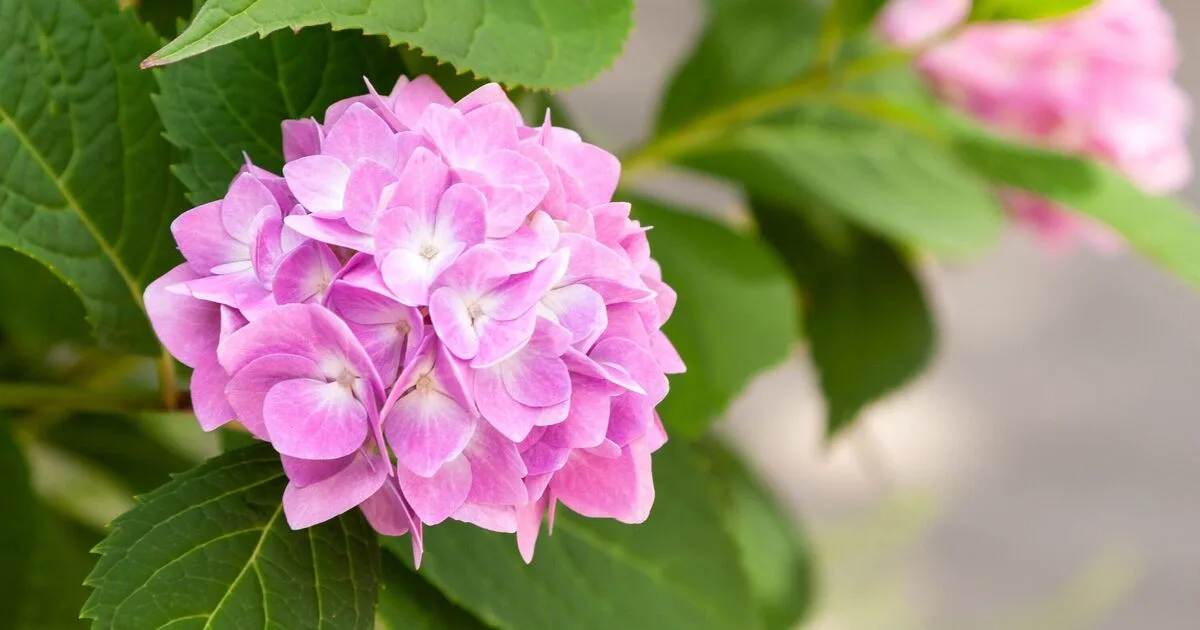
Hydrangeas are a beloved fixture in British gardens, known for their vibrant blooms and lush foliage. However, many gardeners may not realise that these flowers can change colour based on a simple soil adjustment. Gardening expert David Fryer from Mr Fothergill's has revealed how to achieve this transformation.
According to Fryer, the key lies in soil acidity. 'What makes hydrangeas truly unique is their ability to change colour based on soil acidity,' he explained. 'This can be seen in varieties like mophead and lacecap hydrangeas (hydrangea macrophylla).' By altering the pH level, gardeners can shift blooms from pink to blue or vice versa.
To care for hydrangeas, Fryer recommends planting them in fertile, moist but well-draining soil. Adding compost or well-rotted manure in spring helps retain moisture and provides nutrients. Consistent watering is crucial, especially during dry spells—aim for deep watering two to three times a week in summer.
For potted hydrangeas, use free-draining compost and water generously, but avoid overwatering as it can wash away nutrients. Regular feeding is also essential, as hydrangeas are fast-growing shrubs. Check if the compost already contains fertiliser when planting, and supplement as needed.
With these tips, gardeners can enjoy not only healthy hydrangeas but also the ability to customise their garden's colour palette with a simple soil ingredient.