Europe's Strategic Dilemma After Trump's Greenland Tariff Ultimatum
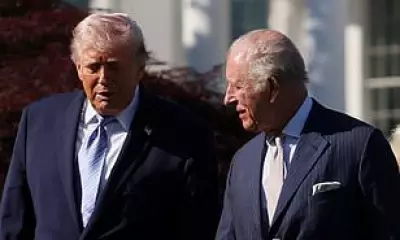
European leaders are grappling with a significant diplomatic and economic challenge following a stark ultimatum from former US President Donald Trump. Trump has explicitly threatened eight European nations with substantial tariffs on their exported goods if his administration is unsuccessful in its bid to purchase the sovereign territory of Greenland from Denmark.
The Core of the Threat
The threat outlines an immediate 10 per cent tariff on goods, with a scheduled escalation to a punitive 25 per cent levy set for June 1st. Trump has publicly justified this aggressive pursuit of Greenland, a vast autonomous territory within the Kingdom of Denmark, by framing it as a critical matter of American national security. This move has sent shockwaves through diplomatic channels and trade ministries across the continent.
Legal and Diplomatic Implications
International law experts have been quick to highlight the profound legal ramifications of this situation. They assert that any coercive or offensive action taken against Greenland would constitute an illegal act of aggression under established international law. This legal stance significantly complicates the geopolitical landscape, placing European capitals in a delicate position where they must balance legal principles with realpolitik and economic interests.

Europe's Array of Potential Responses
Faced with this dilemma, European policymakers and strategists are reportedly evaluating a spectrum of potential responses. These options vary widely in their scope and severity:
- Military and Strategic Posturing: One considered path involves the deployment of additional troops to Greenland and the explicit threat of closing strategically vital US military bases located across Europe. This would represent a direct challenge to transatlantic security arrangements.
- The Economic "Nuclear Option": A more drastic economic countermeasure under discussion is the large-scale selling of US Treasury bonds by European central banks. Such an action could destabilise financial markets and represents a significant escalation in any trade dispute.
- Diplomatic Concessions and Appeasement: Conversely, some analysts suggest European powers might seek to de-escalate by offering Trump a perceived victory through concessions. These could include bolstering Arctic security frameworks via NATO or granting favourable mineral extraction rights in the region, thereby addressing stated security concerns without ceding sovereignty.
The overarching question for European capitals is how to protect their economic interests from damaging tariffs while upholding international law and the sovereignty of an allied nation. The path chosen will have lasting implications for Euro-Atlantic relations, Arctic governance, and the global rules-based order. The situation remains fluid, with high-level diplomatic engagements expected to intensify as the June deadline approaches.