In a landmark diplomatic move, the European Union's most senior officials have made their first official visit to Syria, pledging substantial financial support for the nation's recovery following its devastating civil war.
Historic Visit and Major Aid Pledge
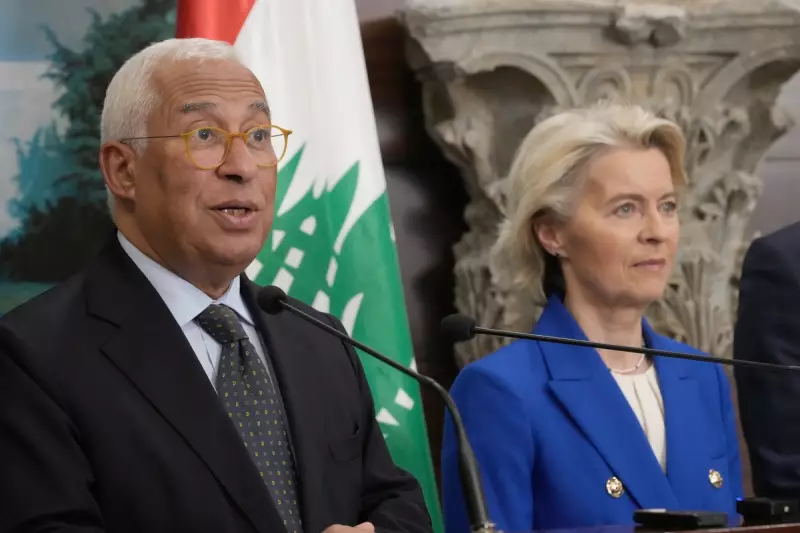
European Commission President Ursula von der Leyen and European Council President António Costa met with Syria's interim President, Ahmad al-Sharaa, in Damascus on Friday, 9 January 2026. This visit marks a significant step in Syria's improving relations with Western nations, which had largely shunned the previous regime.
During the talks, President Costa announced a major EU aid package totalling 620 million euros (approximately $723 million) for the years 2026 and 2027. The funds are designated for humanitarian assistance and the initial stages of reconstruction, which had been blocked by international sanctions under former President Bashar Assad.

"After decades of fear and silence, Syrians began a long journey toward hope and renewal. Europe will do everything it can to support Syria’s recovery and reconstruction," President von der Leyen stated in a post on the social media platform X.
Syria's Path Since Assad's Fall
The visit comes just over a year after the end of Syria's nearly 14-year civil war, which concluded in December 2024 with the ousting of Bashar Assad. Al-Sharaa, who led an Islamist rebel group in the final offensive, has since launched a diplomatic campaign to restore ties.
His efforts have seen success, with several Western and Arab countries re-engaging after cutting relations with Assad's government due to widespread reports of human rights abuses. However, Syria continues to face severe economic challenges and sporadic sectarian violence.
A key ongoing struggle for the new government is consolidating control over the entire country. Recent days have seen clashes in Aleppo between government forces and Kurdish fighters. These fights are linked to stalled negotiations about merging the new Syrian army with the Kurdish-led Syrian Democratic Forces (SDF), which controls much of the northeast.
Syria's Defence Ministry announced a ceasefire in Aleppo on Friday, though the SDF had not publicly agreed to the deal at the time of the EU visit. Costa described the recent violence as "worrisome" and emphasised the need for "continued dialogue."
Regional Tour and Lebanon Disarmament
Following the Syria visit, the EU delegation travelled to Lebanon, where von der Leyen welcomed progress on a plan to disarm non-state groups, including the powerful Hezbollah militia. The Lebanese army confirmed it had completed the first stage of disarmament in the border area south of the Litani River.
Von der Leyen stated the EU was "ready to step up our cooperation" to support Lebanon's cash-strapped military and called for full respect of the November 2024 ceasefire that ended the latest Israel-Hezbollah war. "Lebanon’s sovereignty and territorial integrity has to be upheld," she asserted. "And it is paramount to ensure that Hezbollah is fully disarmed."
Israel has continued frequent airstrikes in Lebanon since the ceasefire, claiming they target Hezbollah's rearmament efforts, and has threatened further escalation if full disarmament is not achieved.
President Costa concluded by acknowledging the difficult road ahead for Syria, noting, "We know that the path to reconciliation and recovery remain difficult and long. Healing, rebuilding lives and creating trust in institutions takes time." The EU's substantial aid pledge represents a critical vote of confidence in that arduous journey.