Emirati Tycoon Khalaf Al Habtoor Modifies Stance After Fiery Social Media Outburst Against Trump
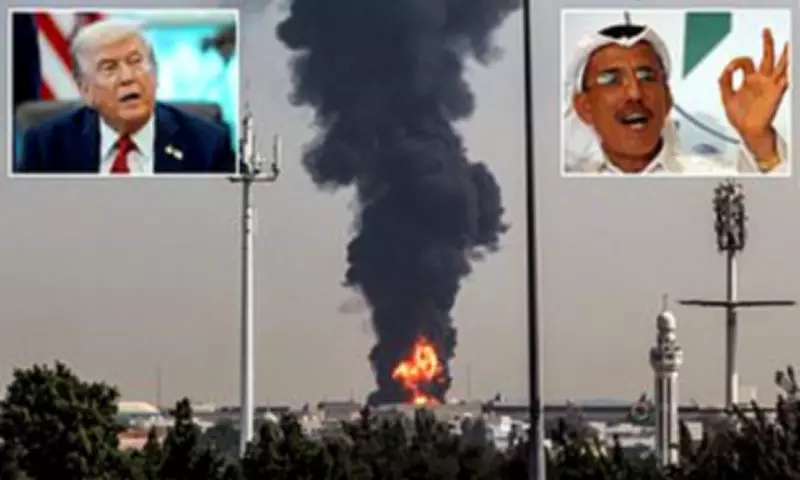
Khalaf Al Habtoor, a billionaire developer whose projects have shaped Dubai's iconic skyline, has significantly tempered his public criticism of former US President Donald Trump regarding the escalating tensions with Iran. This shift follows a series of now-deleted social media posts where Al Habtoor vehemently questioned Trump's authority and decision-making.
Initial Social Media Fury and Swift Deletion
Last week, Al Habtoor took to the platform X to express profound frustration, accusing President Trump of placing Gulf states 'at the heart of a danger they did not choose'. In his posts, he demanded: 'Who gave you the authority to drag our region into a war with Iran? And on what basis did you make this dangerous decision? Did you calculate the collateral damage before pulling the trigger?'
He further speculated whether the decision was Trump's alone or influenced by Israeli Prime Minister Benjamin Netanyahu, emphasizing that while Gulf nations are capable of self-defence, they never consented to becoming a battlefield. Shortly after publication, these critical messages were removed without explanation, replaced by posts praising the UAE's natural beauty and security.

Toned-Down Remarks in Washington Post Interview
In a subsequent interview with The Washington Post published on Wednesday, Al Habtoor notably softened his tone. While still assigning some blame to Trump, he redirected primary responsibility toward Iran and Israel. 'I blame Trump, but I blame the Iranians more,' he stated. 'America is to be blamed because Israel pushed them to do this. But not as much as the Iranians.'
Al Habtoor characterized his initial post as merely an 'explanation' rather than an attack, asserting he had no intention of causing problems. He highlighted Dubai as a 'jewel of the world' and a safe haven, crediting UAE leaders for their efforts to protect residents. The billionaire admitted receiving mixed reactions, with some well-connected friends cautioning him against targeting Trump, noting the UAE's reliance on US-made Patriot missile defence systems.
Broader Gulf Sentiment and Economic Concerns
According to The Washington Post, many UAE leaders privately share Al Habtoor's apprehensions, despite maintaining a strictly defensive public stance toward Iran. Middle East expert Andreas Krieg commented on the now-deleted tweet: 'Literally, everyone in the Gulf is asking this question, quietly.'
The instability is exerting pressure on Dubai's economy, disrupting supply chains and prompting business anxieties. An anonymous top businessman told Bloomberg that prolonged conflict could force companies into difficult decisions regarding production and services. Analyst Ryan Bohl observed that Gulf states, while aware of Trump's independent streak, were 'taken aback by how willing he is to take risks that impact them.'
UAE's Social Media Crackdown and Security Measures
Amid the tensions, the UAE has implemented stringent measures to control narratives around the conflict. Authorities have warned influencers and social media users against posting content deemed harmful to the state's reputation, with penalties including fines up to £58,000 or imprisonment. Over 100 individuals, including a British tourist, have been arrested for sharing 'war footage,' facing potential jail time and substantial fines.
Dubai Police emphasized that spreading rumours or false information is prohibited, stating: 'Violators may face criminal penalties, including imprisonment and fines of no less than Dh200,000 [£41,000].' Officials have also discouraged photographing critical sites, framing it as a national responsibility. Meanwhile, thousands of influencers are promoting 'Dubai is Safe' messages despite ongoing incidents, such as a recent Iranian drone strike near Dubai Airport that ignited a large fire, described by authorities as a 'drone-related incident' causing minimal damage.

Strategic Gulf Positioning and Regional Implications
Gulf capitals have publicly declared non-participation in operations against Iran and denied their territories being used as attack bases. Analysts suggest oil-rich nations are betting on restraint, calculating that direct involvement would incur higher costs than staying out. The UAE's efforts to maintain its image as a secure hub continue, with officials reassuring residents that aerial interceptions signify safety measures in action.