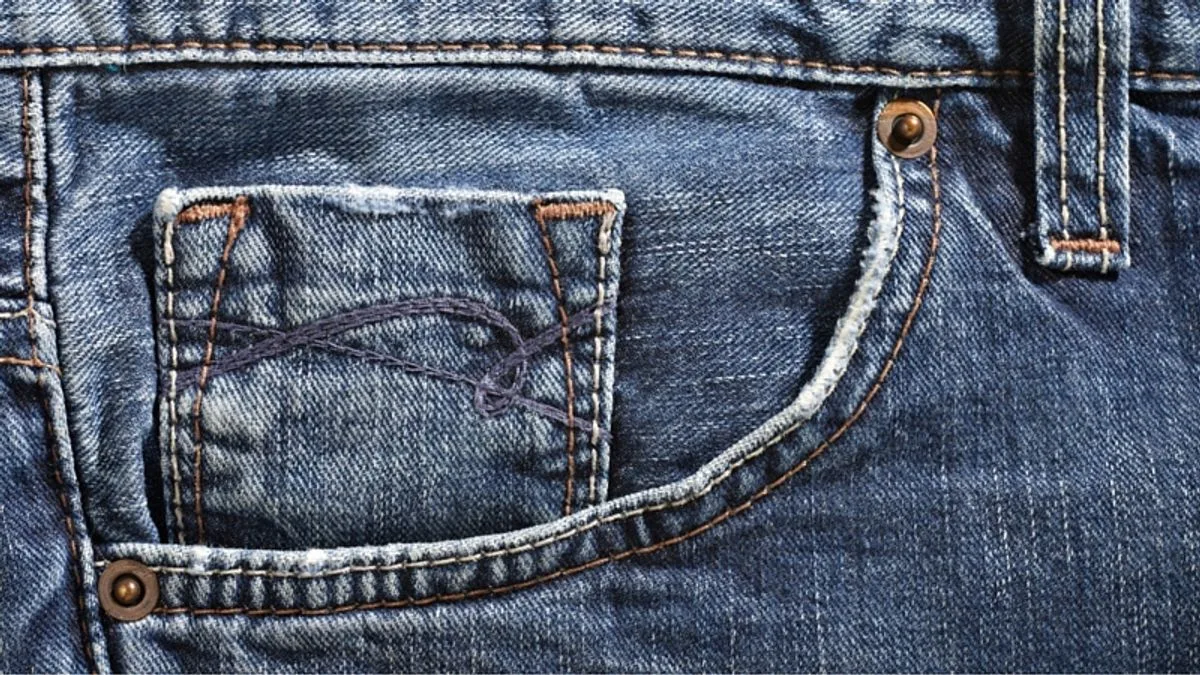
Many of us own a favourite pair of jeans, but few have paused to consider the purpose of the small, button-like rivets on the pockets. These bronze fastenings, often mistaken for decoration, actually serve a crucial function.
According to historical accounts, the copper rivets were patented by Levi Strauss himself. The denim pioneer devised them after hearing miners complain about their trousers wearing out quickly, particularly when they filled their pockets with heavy gold pieces.
The rivets were designed to reinforce the seams, preventing jeans from ripping and extending their lifespan. While modern wearers may not be filling their pockets with gold, the rivets remain a staple of denim design, contributing to the durability of a garment that has become a wardrobe essential.
Today, the tiny pocket—originally intended for pocket watches—has found new uses, from storing coins to holding small gadgets. The rivets, meanwhile, continue to serve their original purpose, ensuring that jeans withstand the rigours of daily wear.