Easter Truce in Ukraine Falters Amid Accusations of Ceasefire Violations
Easter Truce Falters as Ukraine and Russia Trade Accusations

Easter Truce in Ukraine Falters Amid Accusations of Ceasefire Violations

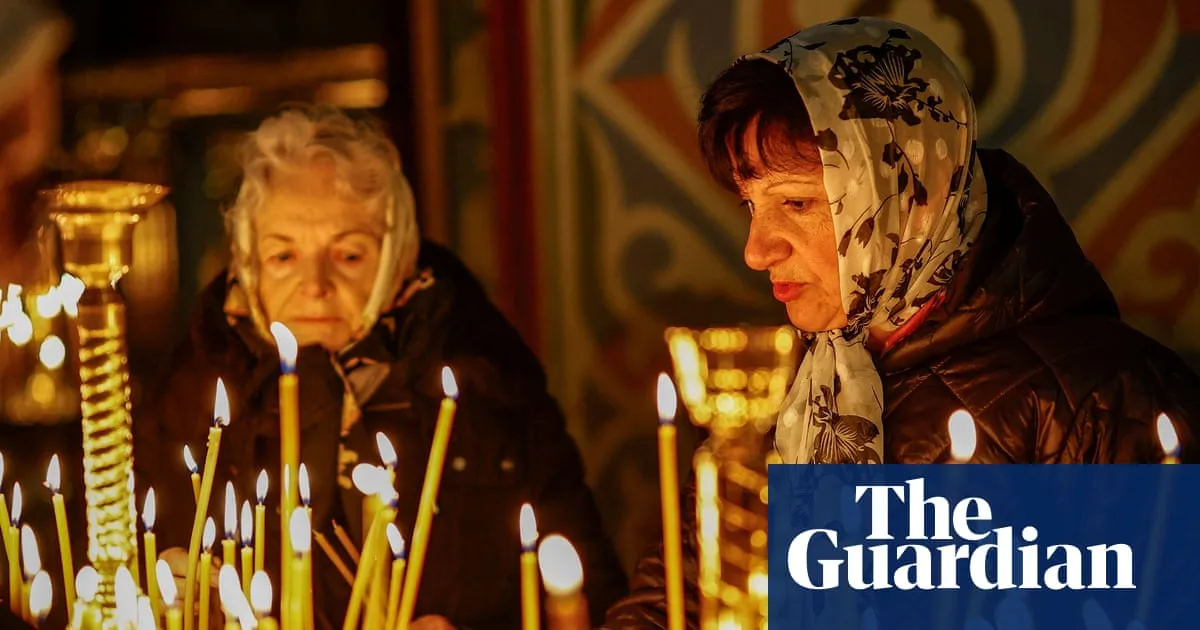
A brief 32-hour ceasefire in Ukraine, intended to mark Orthodox Easter, was marred by numerous alleged violations from both sides, as Russia and Ukraine accused each other of breaking the truce on day 1,509 of the conflict. The ceasefire, which aimed to provide a respite in the four-year-old war, quickly became a point of contention, with each nation reporting attacks and casualties.

Allegations of Truce Breaches

Ukrainian military officials stated that Russian forces violated the ceasefire through a series of aggressive actions. According to a Facebook post by Ukraine's military, 469 ceasefire violations were recorded, including 22 enemy assault actions, 153 shelling attacks, 19 strikes by attack drones, and 275 strikes by FPV drones. In total, Russia was accused of carrying out 57 airstrikes, dropping 182 guided aerial bombs, deploying 3,928 drones, and conducting 2,454 shelling attacks on populated areas and Ukrainian troop positions.

On the Russian side, governors in the border regions of Kursk and Belgorod reported that Ukrainian drones had attacked targets, injuring five people. Specifically, Alexander Khinshtein, the governor of Kursk, accused Kyiv of breaking the truce by attacking a gas station in the town of Lgov with a drone, which injured three individuals, including a baby. These incidents highlight the ongoing volatility and lack of trust between the warring nations.

Wide Pickt banner — collaborative shopping lists app for Telegram, phone mockup with grocery list

Prisoner Exchange Amid Tensions

Despite the tensions over the ceasefire, a significant prisoner exchange took place on Saturday, with both sides swapping 175 prisoners of war each. Ukrainian President Volodymyr Zelenskyy announced that Ukraine had brought home 175 servicemen and seven civilians from Russian captivity. Andrii Yusov, a representative of Ukrainian defence intelligence, noted that 163 of those freed had been held since 2022, describing the exchange as a "real success, a very significant achievement" and emphasizing the harsh conditions endured by the prisoners.

Russia's defence ministry confirmed the exchange, stating that the United Arab Emirates had mediated the process. Russia received back 175 servicemen and seven civilians originally from the Kursk region. This exchange occurred against a backdrop of religious observances, with Russian President Vladimir Putin attending Easter services at Moscow's Christ the Saviour Cathedral, where he praised Orthodox Patriarch Kirill for supporting Russia's military campaign, referred to as a "special military operation".

Political Implications and Regional Context

In his nightly video address, Zelenskyy did not directly address the alleged ceasefire violations but reiterated Ukraine's commitment to the truce, expressing a desire for it to be extended. He stated, "It would be right for the ceasefire to continue beyond this. We have made this proposal to Russia, and if Russia once again chooses war instead of peace, it will show the world, and particularly the United States, who truly wants what." This underscores the diplomatic stakes involved, as Ukraine seeks to maintain international support.

Meanwhile, regional politics added another layer of complexity, with Hungary holding an election that could impact Ukraine's war effort. A potential defeat for Prime Minister Viktor Orbán, who has held power for 16 years, might unblock a €90 billion European Union loan crucial for Kyiv and reduce Russia's influence within the EU, as Hungary is considered Moscow's closest ally in the bloc. This election outcome could significantly alter the geopolitical landscape surrounding the conflict.

The Easter truce, while intended as a gesture of peace, ultimately highlighted the deep-seated hostilities and challenges in achieving a lasting ceasefire. As both sides continue to exchange accusations and prisoners, the war in Ukraine remains a volatile and evolving situation, with implications for regional stability and international relations.

Pickt after-article banner — collaborative shopping lists app with family illustration