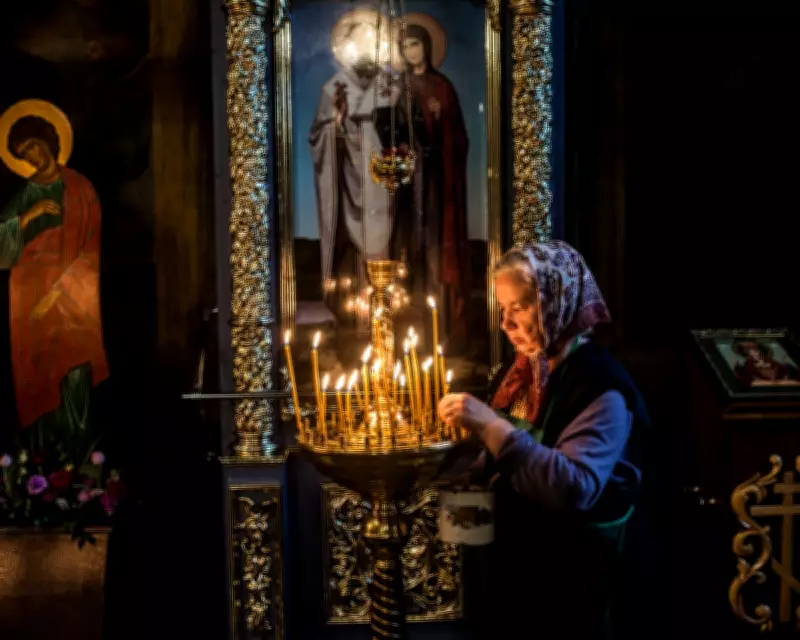
The fragile ceasefire established to mark Orthodox Easter between Russia and Ukraine officially concluded on Monday, with both nations levelling accusations of extensive violations throughout the brief 32-hour period. The truce, which commenced at 4pm local time on Saturday and lasted until the end of Sunday, was intended to provide a respite in the ongoing conflict, now entering its 1,510th day.
Mutual Allegations of Breaches
Despite a notable reduction in Russian air raids, the relative calm along the sprawling 1,200-kilometre frontline was marred by persistent hostilities. Ukraine's armed forces general staff reported a staggering 2,299 ceasefire violations by 7am on Sunday. These incidents encompassed assaults, artillery shelling, and the deployment of small drones. Notably, the statement clarified that the use of long-range drones, missiles, or guided aerial bombs had not been documented during this interval.
Conversely, Russia's defence ministry asserted that Ukrainian forces were responsible for 1,971 breaches, including drone strikes. In a tragic development, Vyacheslav Gladkov, the head of Russia's Belgorod region, announced that rescuers had recovered the bodies of two civilians allegedly killed in a Ukrainian attack on Saturday afternoon.

Political Developments and Regional Dynamics
Amidst the military tensions, Ukrainian President Volodymyr Zelenskyy extended congratulations to Hungary's Péter Magyar following his party's decisive victory in parliamentary elections. In a message posted on social media platform X, Zelenskyy expressed readiness for collaborative efforts aimed at fostering peace, security, and stability across Europe.
This political shift in Hungary is being closely monitored by the European Union. The previous administration under Viktor Orbán frequently obstructed EU initiatives to support Ukraine, maintaining a friendly stance towards Russian President Vladimir Putin and sustaining Hungary's reliance on Russian energy imports. The international community awaits Magyar's approach to these critical issues.
Strategic Objectives and Ongoing Conflict
Kremlin spokesperson Dmitry Peskov, as reported by the state news agency Tass, indicated that Russian military objectives remain unchanged. He stated that Russian troops still need to secure control over an additional 17-18% of the contested Donetsk region. Peskov confirmed that military operations would resume following the expiration of the Easter truce.
The ceasefire itself was initiated by Putin last Thursday, though Zelenskyy had proposed a similar pause over a week earlier. This pattern mirrors a comparable agreement from the previous year, which also resulted in only a partial reduction in hostilities. The persistent violations underscore the profound challenges in achieving even temporary peace in this protracted war.