Dubai's Iron Dome Defence Contrasts with London's Street Crime Fears
Dubai's Iron Dome Defence vs London's Crime Fears

Dubai's Calm Amid Iranian Missile Barrage Highlights London's Crime Concerns

As the sun set on Monday evening in Dubai, following over 48 hours of unprovoked missile and drone assaults from Iran, I dined at Gigi on the Beach. Despite the ongoing conflict, I felt entirely secure. In stark contrast, when I venture out in Sadiq Khan's London, I am perpetually on edge—cautious about using my phone in public and vigilant against muggers targeting my watch.

Statistics suggest a higher likelihood of being stabbed on a London street than injured by an Iranian strike in the United Arab Emirates (UAE). The atmosphere in Dubai remains confident and tranquil. While I ate at a seaside restaurant, people strolled past, engaged in casual conversation.

Media Portrayal Versus Reality in Dubai

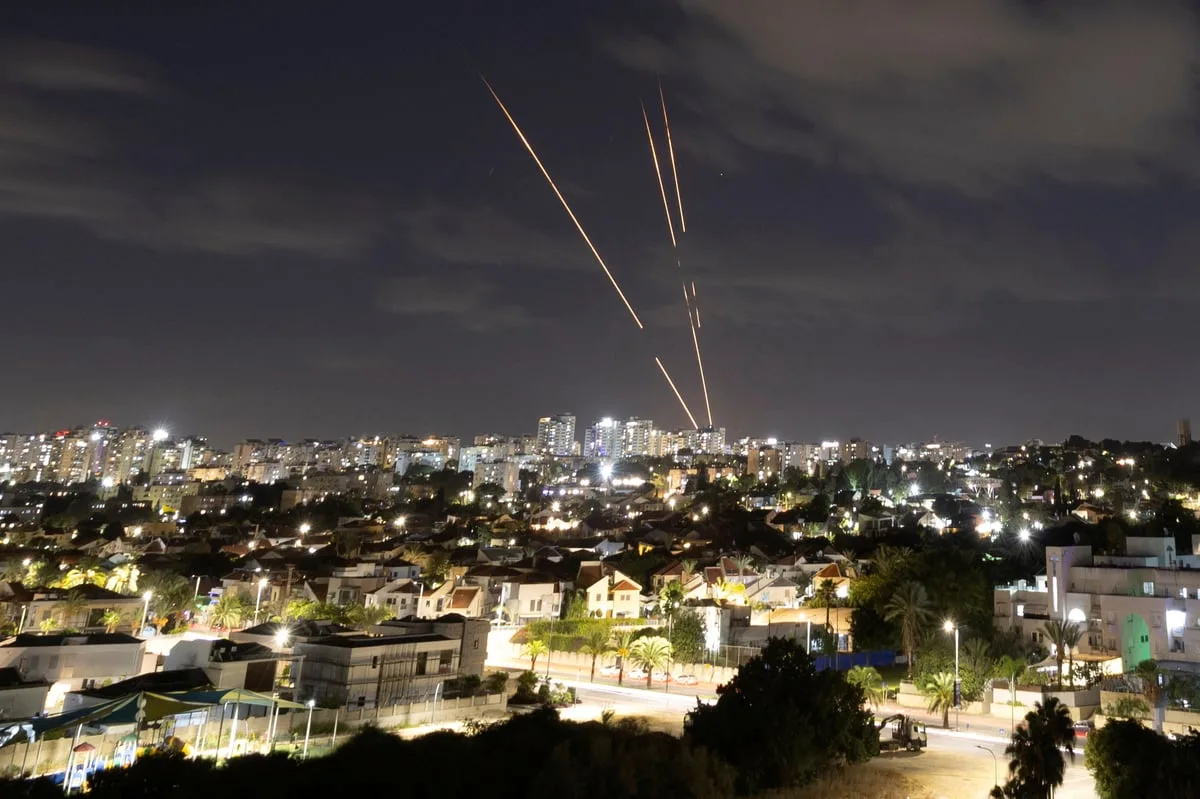
British television news, with footage of smoke over Dubai airport or explosions near the Palm Jumeirah hotel and Burj Al Arab tower, might imply the city is under a relentless barrage. Yet, daily life proceeds normally. Businesses operate uninterrupted, families feel safe, and the city maintains order and security.

A cyclist observes as Dubai endures sustained attacks, with the 'Iron Dome' air defence systems intercepting most threats long before they endanger lives. 'When I’m out in Sadiq Khan's London, I’m constantly on edge – wary of taking my phone out in public, alert for muggers who want to rip the watch off my arm,' writes Nick Candy.

It is accurate that the UAE has faced the highest volume of missiles and drones in the region, aside from Iran, experiencing more assaults than even Israel. However, the critical factor is that nearly none penetrate defences. This small Gulf state has demonstrated exceptional preparedness, with Iron Dome capabilities across the Middle East neutralising attacks effectively.

UAE Leadership and UK Government Response

I was unaware that Dubai and the broader region were shielded by an Iron Dome. The UAE government consistently strategises to safeguard all residents, a literal lifesaver for the 240,000 British expatriates here. On Saturday, when attacks commenced, initial reactions were of disbelief. The UAE, like other Gulf states, had denied the US permission to use its military bases, making Iran's aggression seem baseless.

It soon became evident that Westerners in Dubai and associated infrastructure, such as airports and hotels, were Tehran's primary targets. For the first hours, explosions echoed, and jets screeched across the sky. Nick Candy notes that the UAE government is exhibiting real leadership in response to Iran's attacks.

As it became clear these sounds were air defences in action, uncertainty faded. The UAE government executed a well-defined plan, exemplifying effective leadership during anxious times when headlines risk outpacing reality.

Conversely, the UK's initial response was hesitant and largely absent. British citizens in Dubai sought reassurance and clear communication from Westminster but encountered silence. No one understood our government's stance.

Political Reactions and Security Priorities

Keir Starmer has since addressed the situation, delivering mixed messages alternating between US support and condemnation. True leadership involves early action, setting a tone, and instilling citizen confidence when most needed—a quality sorely lacking here.

Liberal Democrat leader Ed Davey's remarks in the Commons on Monday were disgraceful, dismissing Britons in the UAE as 'tax exiles' and 'washed-up old footballers.' It is shocking that politicians show such contempt for the safety of a significant British population. They must urgently learn from the UAE government, which proves security can be taken seriously without inciting fear. Priorities have been clear: protect people, maintain stability, and project calm.

It remains uncertain what Starmer plans regarding assisting British holidaymakers returning from Gulf states. I suspect he himself is unsure. In Dubai, the Department of Culture and Tourism is already taking positive steps, advising people not to worry about extended stay costs and offering to cover food and accommodation.

Symbolic Gestures and Broader Implications

On Monday evening, UAE President Mohammed bin Zayed Al Nahyan and Sheikh Hamdan, Crown Prince of Dubai, walked through Dubai Mall—the world's largest and finest—before dining there. This gesture recalled the Royal Family's presence in London during the Blitz and its tangible boost to public confidence.

The UK government's dithering is saddening but unsurprising. The real shock is Iran's foolish aggression against Gulf States and Saudi Arabia. Senior officials in three Arab countries privately confirm that attacks will not go unpunished; retaliation is expected to be coordinated. Crucial infrastructure, including oil refineries, has been targeted, underscoring Iran's demented and self-destructive behaviour.

My primary concern is the UK's inability to match such self-defence levels. Britain lacks an Iron Dome, has allowed armed forces to dwindle, and suffers from a leadership void. Nick Candy is the founder and CEO of Candy Capital.