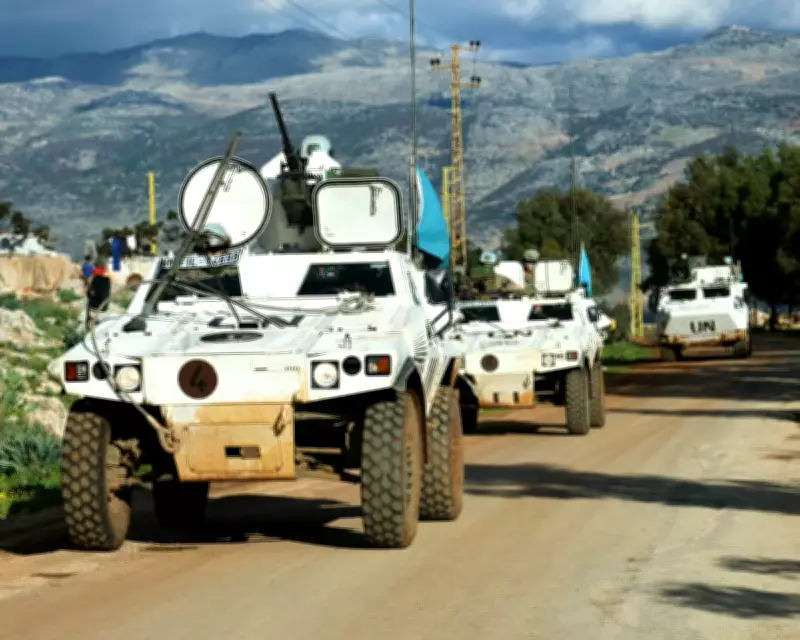
DFAT's Middle East Evacuation of ISIS Families Ignites Political Firestorm
Australia's Department of Foreign Affairs and Trade (DFAT) has executed a high-stakes evacuation operation in the Middle East, specifically targeting the removal of ISIS families, including wives and children, from conflict zones in Syria. This move has thrust the issue into the heart of a heated political debate, with Prime Minister Anthony Albanese and Opposition Leader Angus Taylor clashing over the financial and security ramifications.
Budgetary Concerns and Cost-of-Living Pressures
The evacuation, while framed as a humanitarian and security necessity by the government, has raised significant questions about its impact on the federal budget. Critics argue that the substantial costs associated with such operations could exacerbate existing cost-of-living pressures for Australian households. The timing is particularly sensitive, as the government navigates calls for capital gains tax reform and other fiscal measures aimed at economic relief.
Angus Taylor has been vocal in his criticism, suggesting that the funds allocated for the evacuation might be better spent on domestic priorities. "In a time when families are struggling with rising expenses, every dollar must be scrutinised," Taylor stated, highlighting the tension between international obligations and domestic economic management.

National Security and Diplomatic Implications
On the other hand, Anthony Albanese has defended the operation, emphasising its role in mitigating long-term security threats. "Leaving Australian citizens, including vulnerable children, in volatile regions poses a direct risk to our national security," Albanese argued. The evacuation is seen as part of a broader strategy to prevent the resurgence of extremist networks by repatriating and monitoring individuals with ties to ISIS.
The operation also carries diplomatic weight, as Australia coordinates with international partners to manage the complex logistics and legal challenges involved. DFAT officials have underscored the careful planning required to ensure the safety of both evacuees and personnel, amid ongoing instability in Syria.
Public and Political Reactions
The evacuation has sparked a polarised response from the public and political spheres. Supporters praise the government for upholding humanitarian values and proactive security measures, while detractors question the prioritisation of resources. Polling indicates a divided electorate, with concerns over budget allocation and national security dominating discussions.
As the debate unfolds, it is likely to influence upcoming policy decisions, including potential reforms to capital gains tax and other budgetary adjustments. The incident underscores the delicate balance between international interventions and domestic fiscal responsibility in Australia's political landscape.