
Republican Senator Tom Cotton has denied that the Trump administration has plans for a large-scale ground force in Iran, following US and Israeli strikes that killed Iran's supreme leader. Cotton, chair of the Senate Intelligence Committee, told CBS Face the Nation that the president had no plan for 'any kind of large-scale ground force inside of Iran,' though he did not rule out smaller operations such as search-and-rescue missions for downed pilots.
The strikes, which began early Saturday, killed Ayatollah Ali Khamenei and dozens of others, according to Iranian state television. The US president confirmed that disrupting or deposing the Iranian regime was the intention, urging Iranians and members of the Revolutionary Guard to topple the government. Three US service members have been killed since Iran launched retaliatory missile attacks.
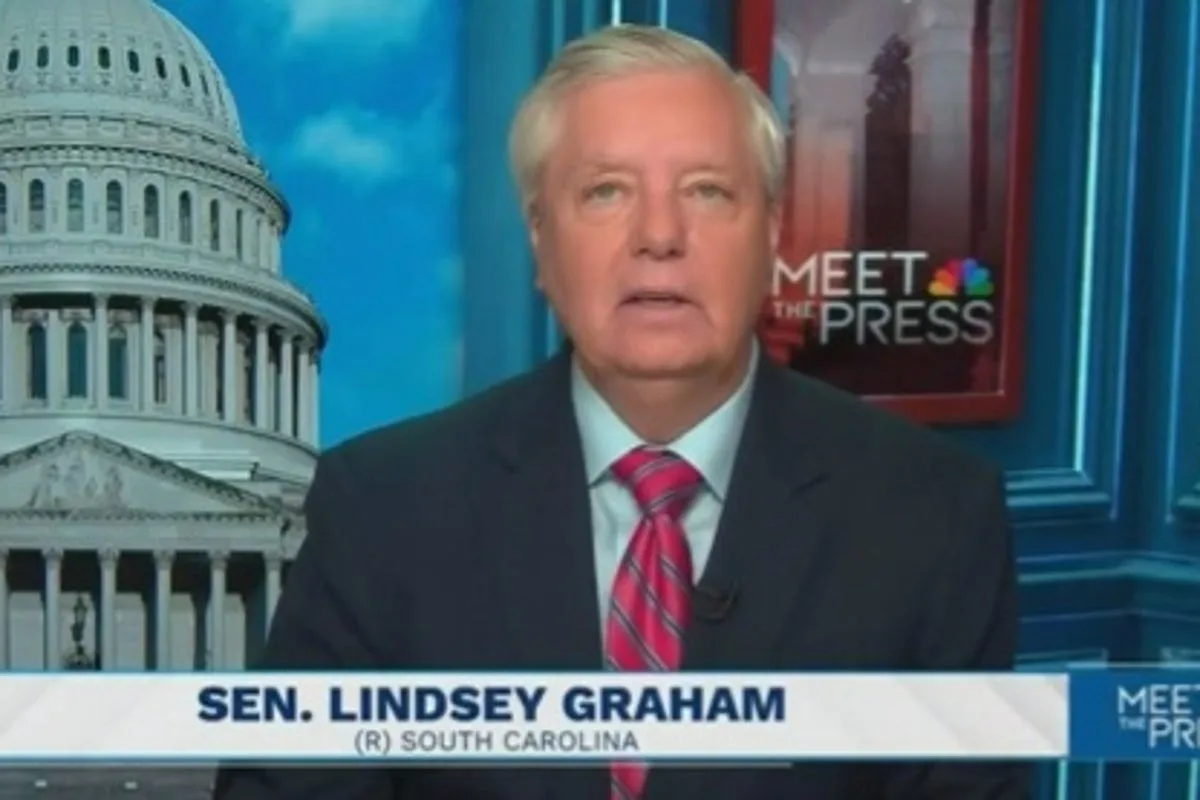
Senator Lindsey Graham, a vocal proponent of military action against Iran, rejected the notion that the US would be responsible for Iran's future. 'It's not his job or my job to do this,' Graham said on NBC's Meet the Press, dismissing the idea that 'you break it, you own it.' He argued that the goal is to ensure Iran is no longer the largest state sponsor of terrorism, and that Iranians would chart their own course.
The strikes followed failed negotiations in Geneva on Thursday, where US demands for Iran to curb its nuclear and ballistic weapons programmes were not met. Planning for the strikes reportedly began weeks ago after a visit by Israeli Prime Minister Benjamin Netanyahu to Mar-a-Lago. Iranian President Masoud Pezeshkian remains in power, and Iran's military continues missile attacks across the region.
A strike on a girls' school in southern Iran killed 148 people, the largest mass casualty event since the conflict began, according to Iranian media. Former hardline president Mahmoud Ahmadinejad is among those reported dead by some outlets, but his death has not been officially confirmed.




