Foreign Secretary Issues Stern Warning to Tehran Over UK Interests
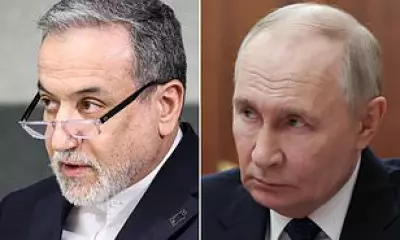
Foreign Secretary Yvette Cooper has delivered a firm warning to Iran against targeting British interests, following a tense phone call with her Iranian counterpart, Abbas Araghchi. The diplomatic exchange occurred as Iran sharply criticised the United Kingdom for allowing the United States to utilise UK military bases, labelling this move as "participation in aggression."
Iran Condemns UK's Military Support to US
In a post on Telegram written in Farsi, Iranian Foreign Minister Abbas Araghchi stated he informed Ms Cooper that such actions would be "definitely considered as participation in aggression and will be recorded in the history of relations between the two countries." He further asserted Iran's "inherent right to defend the country's sovereignty and independence."
The Foreign Office provided a detailed readout of the conversation, revealing that Ms Cooper condemned Iran's "reckless attacks" on Gulf partner nations and critical energy infrastructure. She specifically denounced the disruption and closure of the Strait of Hormuz, a vital international shipping route, and demanded the immediate restoration of freedom of navigation.

UK Defends Defensive Operations in the Region
Ms Cooper clarified that UK operations in the region were strictly defensive responses to Iranian aggression against Gulf countries that had not attacked Iran. She urged Tehran to "immediately stop these reckless strikes against its neighbours" and emphasised the UK's desire for a swift resolution to the escalating conflict.
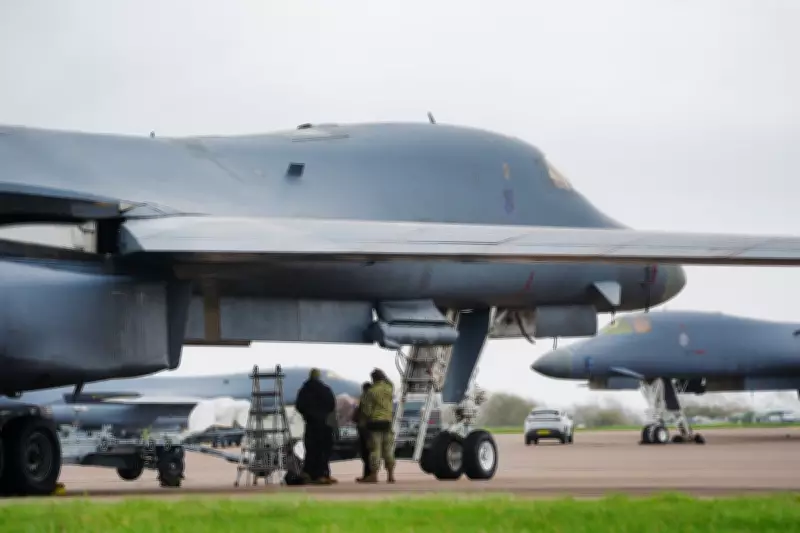
The Foreign Secretary explicitly warned Iran against targeting UK bases, territory, or interests directly, while reaffirming Britain's commitment to regional stability and security. This warning comes after Prime Minister Sir Keir Starmer authorised the US to conduct "defensive" actions against Iranian missile sites from RAF Fairford in Gloucestershire and Diego Garcia in the Indian Ocean.
Downing Street Maintains Measured Approach
Downing Street has defended the UK's position, insisting Britain is "not getting drawn into the wider war." The Prime Minister's official spokesman explained: "We have authorised the US to use our bases for a specific defensive and limited purpose in response to Iran's continued and outrageous aggression, and we've always said that this is the best way to eliminate the urgent threat and restore a path to diplomacy."
Housing Secretary Steve Reed supported this stance, describing the Prime Minister's approach as "very measured." He noted that while the UK chose not to participate in initial attacks against Iran, it remains committed to defending British nationals appropriately.
Economic Implications and Regional Escalation
The conflict has significant economic ramifications, with oil and gas prices experiencing volatility as stock markets face turbulent trading due to the escalating tensions. UK natural gas prices, which surged more than a fifth to a three-year high on Thursday, eased slightly in early Friday trading.
Iran has intensified attacks on energy sites across Gulf states, including a recent drone strike on Kuwait's Mina Al-Ahmadi oil refinery that sparked a fire. These actions follow Israel's bombing of the South Pars offshore natural gas field earlier in the week.
The UK government has implemented measures to address the economic impact, including a £53 million support package for low-income households relying on heating oil, along with frozen rail fares and prescription charges. Housing Secretary Reed assured that while the UK economy is positioned to weather challenges, the government is monitoring the situation "hour by hour" and stands ready to intervene as necessary.
Bank of England Governor Andrew Bailey highlighted the economic stakes, stating that reopening the Strait of Hormuz is crucial to preventing interest rate increases. He warned that the Middle East conflict will likely raise household energy costs this summer and put additional pressure on food prices, with further rate cuts "not on the horizon."
The UK continues to face criticism from former US President Donald Trump for its response to the Strait of Hormuz situation, adding another layer of complexity to the diplomatic landscape as tensions with Iran persist.