
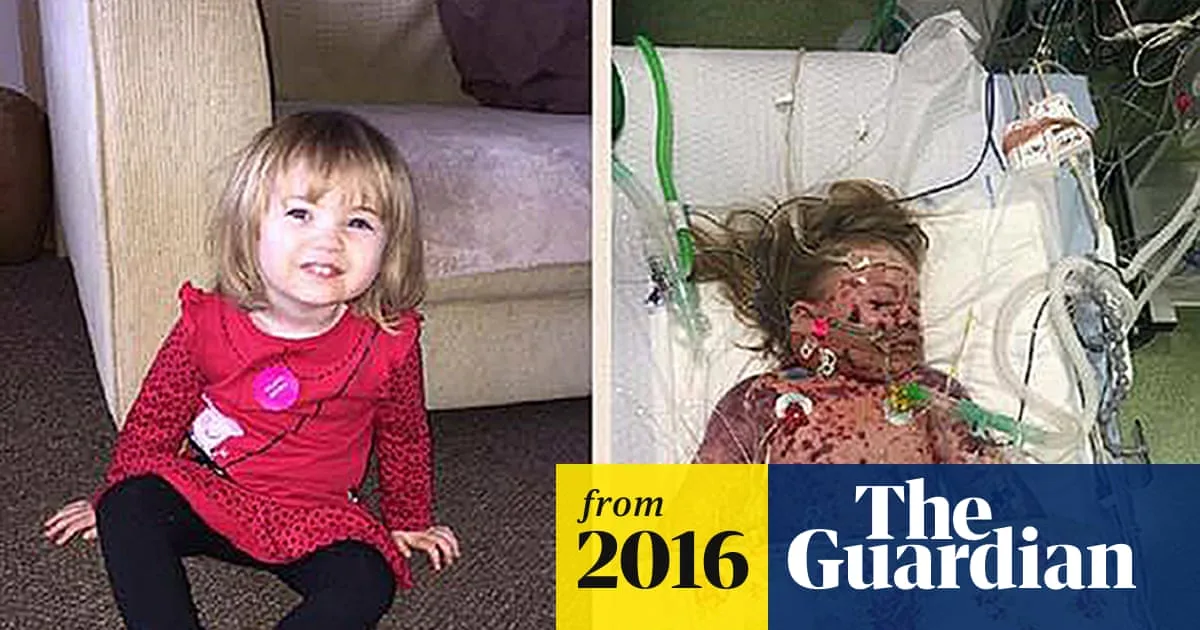
The government has rejected calls to offer the meningitis B vaccine to all children up to the age of 11, despite a petition signed by more than 800,000 people following the death of two-year-old Faye Burdett. In a response on the petition website, the Department of Health stated that giving the jab to all children would not be cost-effective under current advice from the Joint Committee on Vaccines and Immunisation (JCVI).
The Department of Health said it was following JCVI recommendations, which target infants at two and four months with a booster at 12 months, as this is the highest-risk group. The statement emphasised that the NHS budget is finite and that cost-effectiveness is essential to ensure resources benefit as many people as possible.
The campaign gained momentum after Faye Burdett's parents shared images of their daughter before and after contracting meningitis B. Former England rugby captain Matt Dawson also spoke out, describing his son's battle with meningitis C. At Prime Minister's Questions, Tory MP Helen Whately raised the issue, and David Cameron expressed condolences, noting that the UK was the first country to introduce a vaccination programme and that over 100 of the 276 children who contracted the disease were under one year old.
In 2011-12, there were 613 laboratory-confirmed cases of meningitis B in England and Wales, with 33 deaths and 10% of survivors having major disabilities. The government plans to have all children under two vaccinated by May next year, and all under five within a few years. Research is also being commissioned to assess the case for vaccinating adolescents, among whom there is a regular spike in cases.
Charities have expressed disappointment. A spokesman for Meningitis Now called for immediate vaccination of all under-fives, citing delays in gathering data on the vaccine's duration of protection. The Meningitis Research Foundation also voiced disappointment. Meanwhile, many parents are seeking private vaccinations, although a shortage of the vaccine Bexsero, manufactured by GSK, is expected to ease by summer.




