Foreign Secretary Yvette Cooper Persists with Saudi Arabia Visit as Iran Menaces Vital Oil Shipping Lane
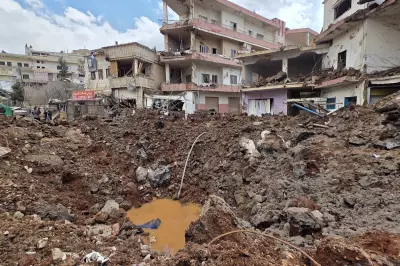
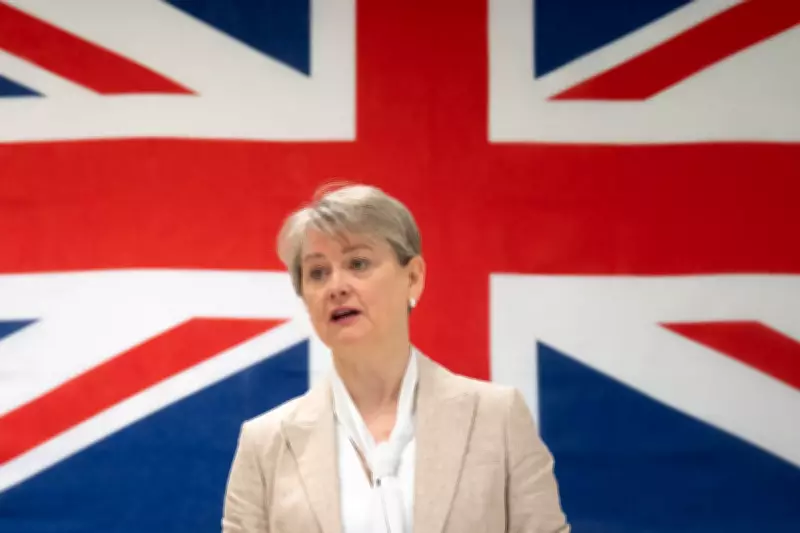
Foreign Secretary Yvette Cooper is set to extend her diplomatic engagement in Saudi Arabia on Friday, amidst escalating tensions over Iran's threats to obstruct the Strait of Hormuz. Her arrival in the country on Thursday marked a gesture of solidarity with Gulf states impacted by Iran's retaliatory actions against ongoing joint US-Israeli military strikes.
Iranian Supreme Leader Issues Stern Warnings
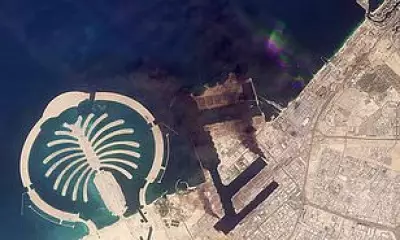
In a recent development, Iran's new supreme leader, Ayatollah Mojtaba Khamenei, has vowed to persist with attacks on neighbouring nations until they "expel the Americans," aiming to avenge casualties referred to as "martyrs" in the conflict. A written statement, broadcast on Iranian television, also included a threat to continue blocking the Strait of Hormuz, a critical maritime passage for oil exports from the Gulf region.
The effective blockade has already triggered a sharp increase in oil prices, with barrels reaching 100 dollars again on Thursday, posing a significant risk of heightened inflation in the United Kingdom and globally.
UK and International Efforts to De-escalate
Prime Minister Sir Keir Starmer has committed to working towards de-escalation, coordinating with other world leaders to manage oil supply disruptions. As part of this initiative, Ms Cooper held meetings with various Saudi ministers on Thursday, including those overseeing energy and foreign affairs.
She also addressed a special gathering of the Gulf Co-operation Council's foreign ministers, focusing on regional stability and the threats posed by Mr Khamenei to the Strait of Hormuz. GCC secretary-general Jasem Al-Budaiwi expressed gratitude for the UK's military and moral support during these discussions.
Military Operations and Regional Security
The United Kingdom continues to conduct defensive operations in the area, with RAF jets executing sorties over Jordan, Qatar, and the UAE to counter potential drone attacks. In a related incident, British troops faced an assault at a military base in Erbil, Iraq, on Wednesday night, as confirmed by defence officials.
Defence Secretary John Healey, who received briefings on British involvement in the Middle East conflict during a visit to Northwood military headquarters, commented on the possibility of UK participation in strait patrols. He described it as "early days" but emphasised an "international imperative" to resolve the situation, noting the challenges of demining operations and existing autonomous systems in the region.
Global Reactions and Economic Implications
US President Donald Trump issued a fresh warning to Iran via Truth Social, asserting the United States military's "unparalleled power." Meanwhile, French President Emmanuel Macron confirmed the death of a French soldier in an attack targeting Erbil, with several others injured.
Defence Secretary Healey highlighted concerns over Russian President Vladimir Putin's influence, suggesting his "hidden hand" behind some Iranian tactics and benefiting from the oil price surge to fund the war in Ukraine. In response to global economic pressures, US Treasury Secretary Scott Bessent announced a temporary authorisation for countries to purchase Russian oil stranded at sea, effective until April 11, aimed at minimising financial gains for Russia.
As diplomatic and military efforts intensify, the international community remains focused on stabilising the region and safeguarding crucial oil routes to mitigate further economic disruption.