China Removes Sanctions on British Parliamentarians Following High-Level Talks
In a significant diplomatic development, China has officially lifted sanctions against several British MPs and peers, including prominent figures like former Conservative leader Sir Iain Duncan Smith. This decision follows direct discussions between Prime Minister Sir Keir Starmer and Chinese President Xi Jinping during Starmer's official visit to China.
Sanctions Lifted After Leader-to-Leader Dialogue
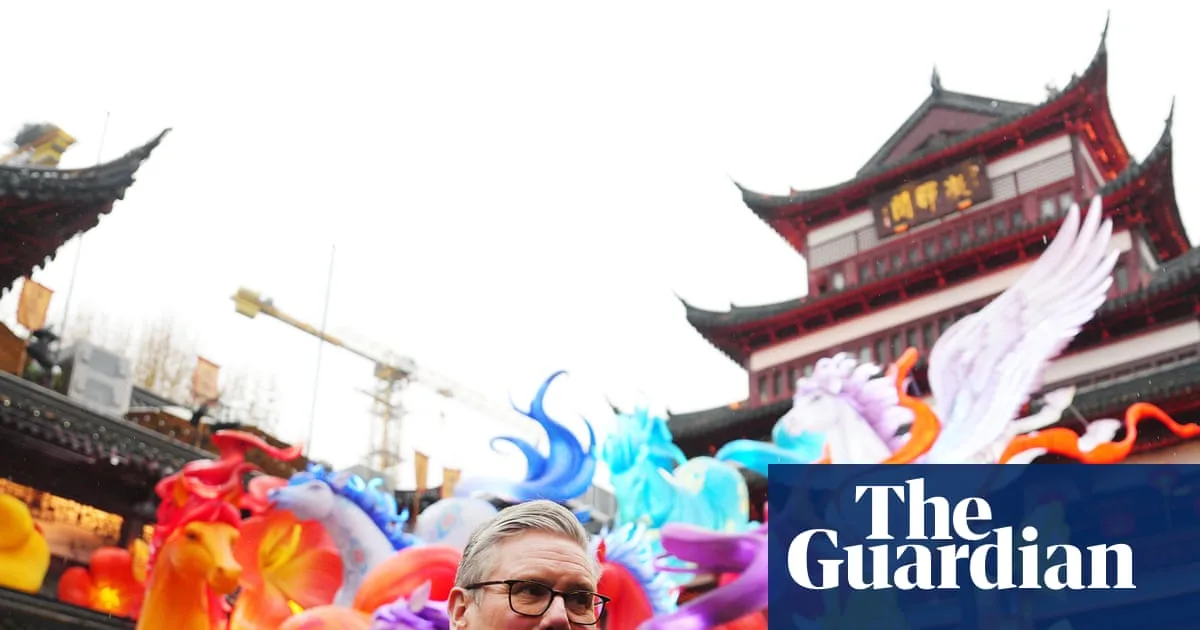
The removal of restrictions, which previously included comprehensive travel bans preventing affected parliamentarians from visiting China, was personally confirmed by President Xi during his talks with the British prime minister. Sir Keir Starmer revealed this breakthrough during a series of broadcast interviews conducted in Shanghai, where he emphasised his duty to raise the longstanding issue with Chinese leadership.
The prime minister told ITV News: "This has been a cause of concern in Parliament and for parliamentarians for some time and that is why I raised it on this visit. The response from the Chinese is that the restrictions no longer apply and President Xi has told me that that means all parliamentarians are welcome to visit."
Starmer further elaborated on the diplomatic approach, stating: "That underscores the point I've been making all along, which is if you engage, if you come and visit and have that leader-to-leader dialogue, you can not only take the opportunities which we have been taking, but also resolve some of the more difficult issues between our two countries."
Affected Parliamentarians Issue Strong Warning
Despite the lifting of sanctions, the group of targeted MPs and peers has issued a forceful statement warning against using their status as diplomatic leverage. In a joint declaration, they expressed serious concerns about becoming bargaining chips in broader negotiations between London and Beijing.
The parliamentarians stated unequivocally: "We would rather remain under sanction indefinitely than have our status used as a bargaining chip to justify lifting British sanctions on those officials responsible for the genocide in Xinjiang. We would reject any deal that prioritises our personal convenience over the pursuit of justice for the Uighur people."
The group, which includes former security minister Tom Tugendhat, Commons deputy speaker Nus Ghani, Tory MP Neil O'Brien, and several peers, emphasised their solidarity with families, former colleagues, and civil society organisations who remain under Chinese sanctions.
Background of Reciprocal Sanctions
The original sanctions against British parliamentarians were imposed by Beijing in 2021 as a direct response to UK sanctions against four Chinese officials and a state-run organisation involved in human rights abuses in Xinjiang province, particularly against the Uighur Muslim minority. It is understood that Britain will not be reciprocating by lifting its own restrictions on Chinese officials as part of this development.
The Chinese foreign ministry confirmed the diplomatic progress, stating: "The two sides agreed in principle to resume normal exchanges between the legislatures of the two countries. China welcomes British parliamentarians who have the willingness to visit China more and experience the real China."
Uncertainty Remains for Some Individuals
Questions persist about whether the easing of sanctions will apply to all originally affected individuals, particularly former MP Tim Loughton who left Parliament following the 2024 election. The parliamentarians' joint statement also highlighted concerns about whether the reprieve would extend beyond sitting lawmakers to include civil society organisations that remain sanctioned.
This diplomatic development represents a notable shift in UK-China relations, though it occurs against a complex backdrop of ongoing human rights concerns and strategic tensions between the two nations.