
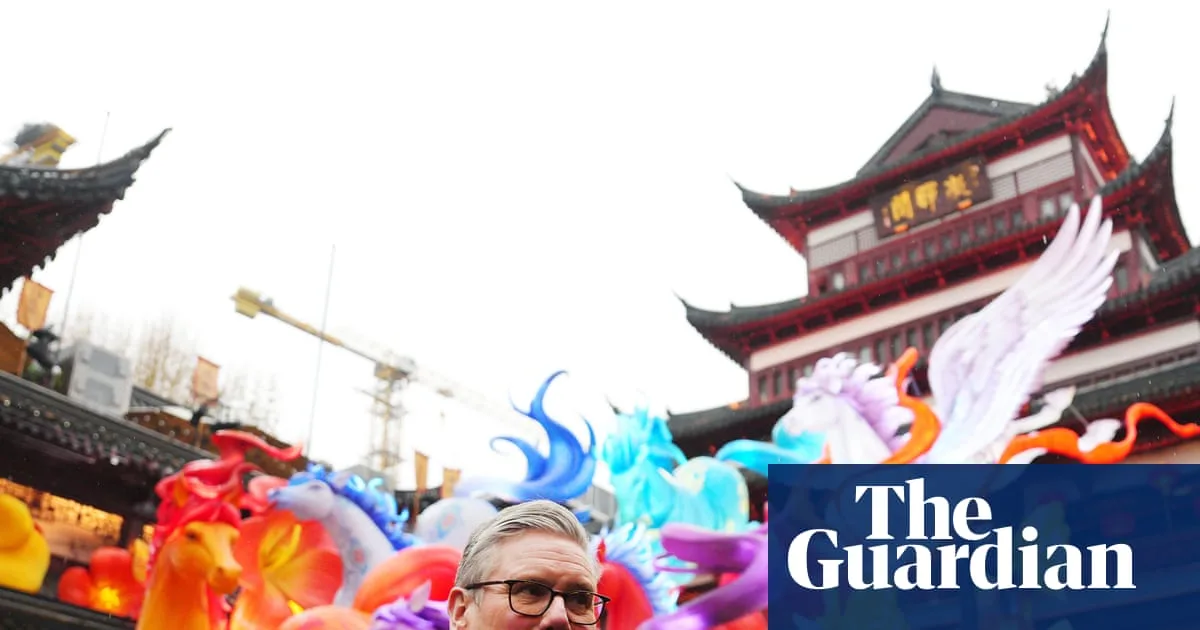
China has lifted sanctions imposed on six serving British MPs and peers, Prime Minister Keir Starmer confirmed on Friday, marking a significant thaw in UK-China relations following his visit to Beijing for talks with President Xi Jinping. The sanctions, introduced in 2021 as retaliation for UK measures over Xinjiang, had banned the individuals from entering China and frozen any assets.
Starmer told broadcasters in China that the restrictions were removed with immediate effect after he raised the issue directly with Xi. “President Xi said to me that that means all parliamentarians are welcome,” Starmer said. The affected parliamentarians, including former Conservative leader Iain Duncan Smith and Labour peer Helena Kennedy, said they would continue to speak out against human rights abuses, describing the selective lifting as “wrong”.
The prime minister also left the door open for a UK visit by Xi, suggesting he would be welcome when Britain hosts the G20 summit in 2027. This would have been politically challenging while the sanctions remained in force. However, three other sanctioned individuals – former Tory MP Tim Loughton, academic Dr Jo Smith Finley, and barrister Geoffrey Nice KC – remain subject to the measures.
In a joint statement before the decision, the seven parliamentarians said they would rather remain under sanction than have their status used as a bargaining chip to justify lifting UK sanctions on Chinese officials. They expressed solidarity with those still targeted. The move was a retaliation for UK sanctions on Chinese officials over allegations of genocide against Uyghurs in Xinjiang, which London has not reciprocated.
Asked about US President Donald Trump’s warning that dealing with Beijing was “very dangerous”, Starmer downplayed the remarks, suggesting they were aimed at Canada rather than the UK. Trump had threatened tariffs on Canada over potential trade deals with China.




