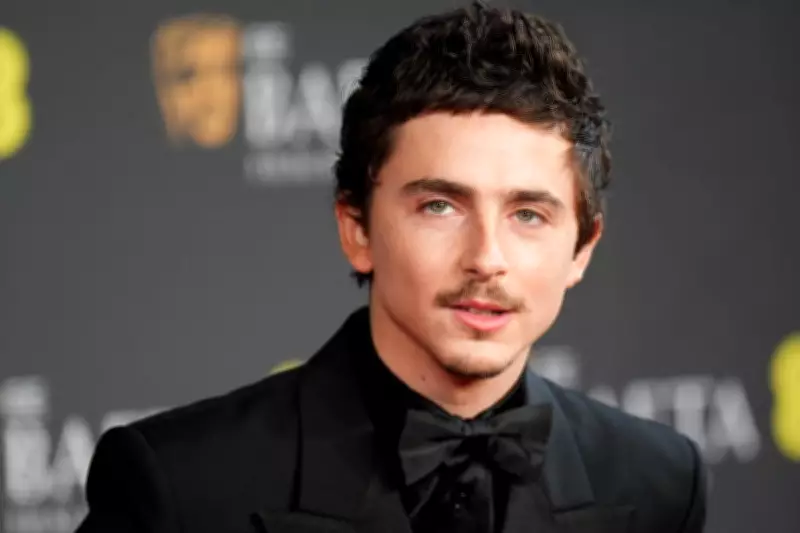
Timothée Chalamet Provokes Widespread Criticism Over Ballet and Opera Remarks
Hollywood star Timothée Chalamet has ignited a fierce cultural debate after making dismissive comments about ballet and opera during a public conversation. The actor, known for his acclaimed performance in Marty Supreme, claimed that these classical art forms have lost contemporary relevance, prompting immediate backlash from performers and industry leaders.
Controversial Comments During Variety Interview
During a live discussion with fellow actor Matthew McConaughey for Variety in February, Chalamet addressed concerns about shrinking audience attention spans in modern entertainment. While acknowledging the value of slower-paced cinema, the 30-year-old actor made a striking comparison that has since drawn widespread condemnation.
"I don't want to be working in ballet or opera where it's like, 'Hey! Keep this thing alive, even though no one cares about this anymore,'" Chalamet stated during the interview. He added with laughter, "All respect to the ballet and opera people out there. I just lost 14 cents in viewership. I'm taking shots for no reason."

Immediate Backlash from Performing Arts Community
The comments quickly circulated online, prompting strong responses from prominent figures in both ballet and opera. Opera singer Isabel Leonard expressed shock at what she described as "inelegant and narrow-minded views about art" from someone she considered a fellow artist.
"To take cheap shots at fellow artists says more in this interview than anything else he could say," Leonard wrote in her response. "Only a weak person or artist feels the need to diminish the very arts that would inspire those interested in slowing down."
Canadian mezzo-soprano Deepa Johnny described Chalamet's perspective as "disappointing," emphasizing that artists should unite across disciplines to support diverse art forms. Artist Franz Szony offered a particularly pointed critique, noting that ballet and opera represent classical traditions requiring exceptional talent and discipline.
Sadler's Wells Director Counters with Evidence of Growth
Sir Alistair Spalding CBE, Artistic Director and Co-CEO of London's prestigious Sadler's Wells Theatre, directly contradicted Chalamet's assessment in comments to The Independent. He emphasized that dance is not only surviving but actively evolving and expanding its audience.
"We're attracting new, younger audiences who want to see what's happening with the latest choreographers, what the latest trends are," Spalding explained. He highlighted innovative collaborations between ballet companies and contemporary artists as evidence of the art form's vitality.
The Royal Ballet and Opera also responded, noting ballet and opera's enduring influence across multiple creative fields. "For centuries, these disciplines have shaped the way artists create and audiences experience culture," their spokesperson stated, pointing to continued global engagement with these art forms.
Social Media Amplifies the Controversy
The debate quickly spread across social media platforms, with TikTok becoming a particular hotspot for responses. Ballet and opera performers shared videos celebrating sold-out performances, contrasting their success with reported struggles in cinema attendance.
The Metropolitan Opera joined the conversation by posting a tribute to opera house professionals, captioning it "This one's for you, Timothée Chalamet." Other social media users referenced Chalamet's own vocal performance in Wonka, sarcastically suggesting he lacked the talent for opera.
Additional criticism emerged regarding Chalamet's personal connection to ballet through his mother, Nicole Flender, who studied at Yale on a ballet scholarship and danced with New York City Ballet as a child. Many found his comments particularly surprising given this family background.

Broader Context of Performing Arts Evolution
The controversy emerges during a period of significant discussion about the future of classical performing arts. Just days before Chalamet's comments, the former artistic director of English National Opera called for the industry to commission contemporary stories from sought-after writers to maintain relevance.
Choreographer Martin Chaix offered a thoughtful counterpoint to Chalamet's perspective, suggesting that in an era increasingly dominated by artificial intelligence in cinema, "the unmediated human presence of ballet and opera becomes more essential, not less."
The widespread response to Chalamet's comments demonstrates the passionate defense these classical art forms continue to inspire, even as they evolve through innovative collaborations with contemporary musicians, choreographers, and technological approaches.