Ceasefire Deal Brings Temporary Relief to Iran Amid Ongoing Tensions
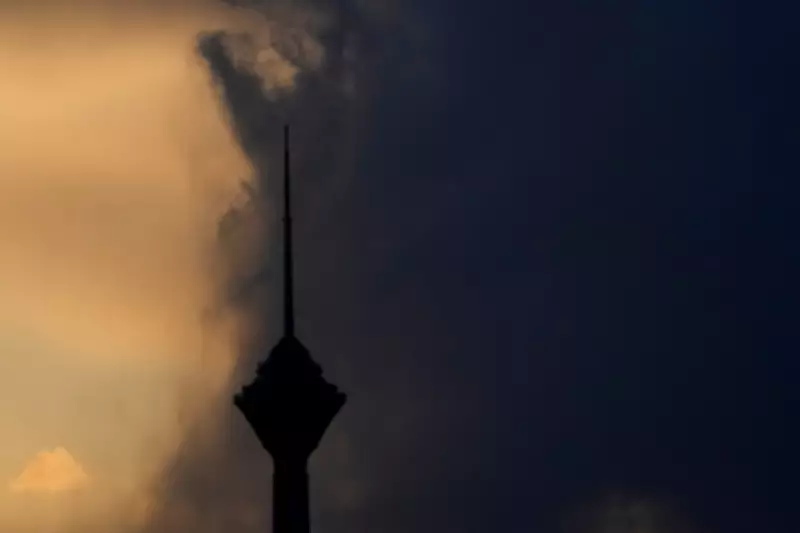
A fragile ceasefire agreement has brought a measure of relief to many Iranians following weeks of intense Israeli and American bombardment, though widespread fears persist that the conflict remains far from resolved. The truce, which took effect on Wednesday, has introduced relative quiet to the capital city of Tehran after more than a month of heavy airstrikes that primarily targeted government and security installations but also devastated numerous residential areas.
Whiplash from Trump's Threats
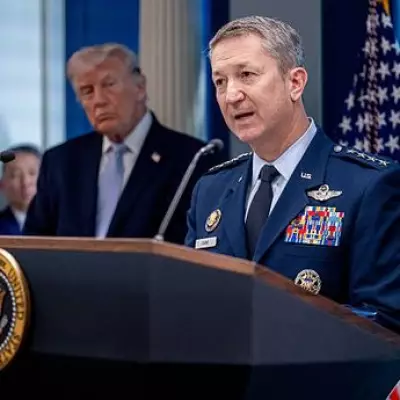
For numerous citizens, the ceasefire arrived with a profound sense of whiplash, coming mere hours after U.S. President Donald Trump threatened to "wipe out their civilization" in a dramatic social media post. Trump subsequently reversed course to endorse an uneasy truce, but his ominous warnings continue to reverberate throughout Iranian society. The psychological impact has been severe, with many residents experiencing sleepless nights and heightened anxiety during the period of escalating threats.
Tehran's Damaged Landscape
According to latest figures from Iranian authorities, the bombardment has resulted in over 1,900 fatalities and more than 5,700 injuries, with no distinction made between military personnel and civilians. The Iranian Red Crescent reports thousands of residential buildings have sustained significant damage across the capital.

"Tehran has seen a lot of damage," revealed a university student who spoke to The Associated Press via WhatsApp audio note under condition of anonymity. "Everyone I've spoken with, it's given them a new life with the ceasefire, but there's widespread concern the fighting would resume."
Cultural Resilience Amid Destruction
Despite the physical devastation, Iran's deep cultural pride remains evident. Persian civilization, renowned for its literary legacy spanning thousands of years, continues to provide solace to citizens. Bookstores reported increased sales during the bombardment, particularly of historical fiction set during past conflicts, self-help literature, and adult coloring books.
Ali Jafarabadi, director of Iran's largest bookstore chain Book City, noted that at least six of his Tehran branches sustained damage during the conflict. "It shows people are craving books, people are craving culture, people are craving a safe space where they can come and connect with each other," Jafarabadi explained during a phone interview. "That is the people of Iran."
Unresolved Issues and Political Divisions
The ceasefire remains precarious, with major issues unresolved. Israel's ongoing military campaign against Iran-allied Hezbollah in Lebanon continues, while Tehran has refused to fully reopen the strategically vital Strait of Hormuz, a critical waterway for global energy supplies.
Iranian society remains deeply divided politically, with reactions to the truce reflecting this polarization. Many government opponents had hoped the conflict might topple the regime, while some supporters expressed disappointment that Iran agreed to halt hostilities they believed it was winning.
"Most people in Iran, unlike what you find on a platform like Twitter, are moderates," observed an advertising professional who spoke anonymously via Telegram. "Everyone is looking for an improved situation, not a radicalized situation at any cost."
Personal Accounts of Trauma and Resilience
Photographer Maryam Saeedpoor, residing in downtown Tehran, described attempting to paint during the bombardment to maintain normalcy. "But then I saw my hand was shaking, and I can't," she confessed via WhatsApp audio. She finds little comfort in the temporary truce, viewing it merely as a "pause" with no guarantee of lasting peace.
"Tehran is the warmest, the most beautiful city in the world in my opinion, but now its face is full of sadness, pain," Saeedpoor lamented. "They say they wanted to take out government leaders, but so many innocent people have been killed."

A physical trainer and social media influencer described riding her motorcycle through the city "as a form of civil resistance," noting stark contrasts between wealthy northern neighborhoods where cafes remained crowded and working-class areas bearing the brunt of destruction. "The streets where a building has been damaged and destroyed are different," she observed. "Silence. The smell of death."
Infrastructure Damage and Economic Concerns
Beyond immediate casualties, concerns mount about lasting damage to industrial infrastructure that helped Iran withstand decades of international sanctions. The bombardment has left visible scars across Tehran, a city ringed by snow-capped mountains whose 19th-century urban planning included broad avenues lined with plane trees and functional water channels known as jub.
As residents cautiously emerge during this fragile ceasefire period, the psychological impact of Trump's civilization-ending threats continues to shape the national mood. While the immediate bombardment has ceased, the underlying tensions that sparked the conflict remain largely unaddressed, leaving Iranians to navigate an uncertain future between relief and apprehension.