Canada Pledges $8 Million in Food Aid to Cuba Amid Escalating US Fuel Blockade
Canada has announced a significant humanitarian initiative, pledging $8 million Canadian (approximately US$6.7 million) in food aid to the people of Cuba. This move comes as the Caribbean island grapples with a deepening fuel crisis, exacerbated by a tightened U.S. embargo and threats of tariffs against nations providing oil to Cuba.
Humanitarian Focus Amid Diplomatic Tensions
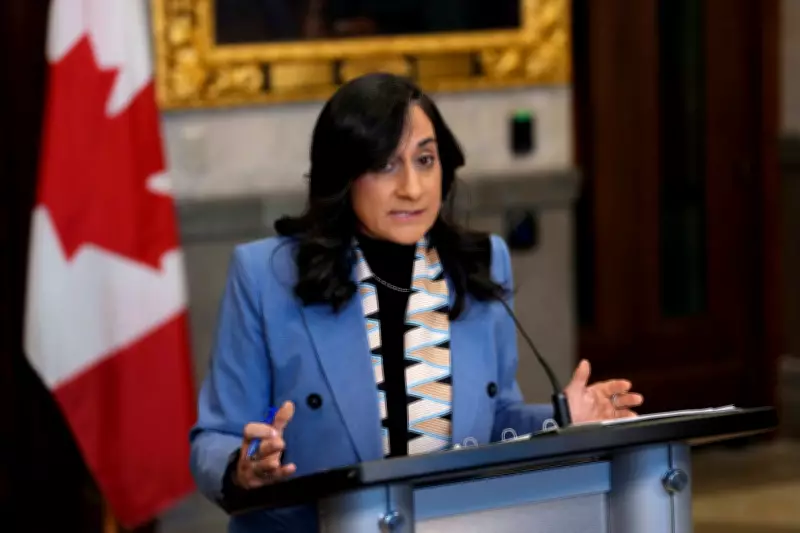
Foreign Affairs Minister Anita Anand emphasized that this aid is a standalone Canadian foreign policy decision, stating it was not discussed with U.S. officials such as Secretary of State Marco Rubio. "This is Canadian foreign policy," Anand declared. "We are focused on the humanitarian situation." The funding will be channeled through United Nations agencies rather than the Cuban government, ensuring direct support to those in need.
Global Affairs Canada has issued warnings for over a year about widespread shortages of essential items, including food, medicine, and fuel, across most of Cuba. The current energy crisis has intensified in recent weeks after oil shipments from Venezuela, Cuba's primary supplier, were halted. This disruption followed a U.S. military intervention in Venezuela in early January and the arrest of its then-leader. Under U.S. pressure, Mexico, another key supplier, also suspended oil deliveries to Cuba.

Economic and Travel Impacts
The fuel shortage has had severe repercussions, including the cancellation of flights to Cuba by Air Canada and other airlines due to a lack of aviation fuel. This is particularly damaging as Canadian tourism is a vital component of Cuba's economy. According to Global Affairs Canada, Canada is the second-largest source of direct investment in Cuba, with significant stakes in mining and tourism sectors.
International Aid Efforts
In a related development, Mexico has dispatched a second humanitarian aid package to Cuba. Two Mexican navy vessels, the Papaloapan and the Huasteco, departed from Veracruz on Tuesday, carrying a total of 1,193 tons of supplies. The shipment, expected to arrive on Saturday, includes beans, powdered milk, and other food items, with the final 23 tons provided by social organizations supported by the Mexico City government.
This follows a previous aid delivery in February, when Mexico sent over 814 tons of food and hygiene products to Cuba while diplomatic talks continued regarding the resumption of oil supplies. The oil shipments were halted in mid-January, just before U.S. President Donald Trump announced a significant tightening of the economic embargo on Havana.
Broader Context of the Crisis
Cuba's economic woes, which began in 2020, have been worsened by intensified U.S. sanctions aimed at forcing political change on the island. These measures have led to critical shortages and severe blackouts, peaking in early 2026. With Cuba producing only 40% of its required fuel, it remains highly vulnerable to external blockades. While allies like Russia and China have condemned the U.S. actions, their support has so far been largely symbolic, offering little relief to the ongoing humanitarian challenges.