Canada Commits $8 Million in Food Assistance to Cuba Amid Escalating Fuel Crisis
In a significant humanitarian move, Canada has pledged $8 million Canadian (approximately US$6.7 million) in food aid to Cuba, following similar actions by Mexico. This assistance comes as the Caribbean nation endures a severe fuel crisis, intensified by a dramatic slowdown in oil shipments following US threats of tariffs. The deepening energy shortage has triggered widespread concerns over access to basic necessities across the island, which has been mired in prolonged economic hardship for years.
Foreign Minister Emphasizes Independent Humanitarian Focus
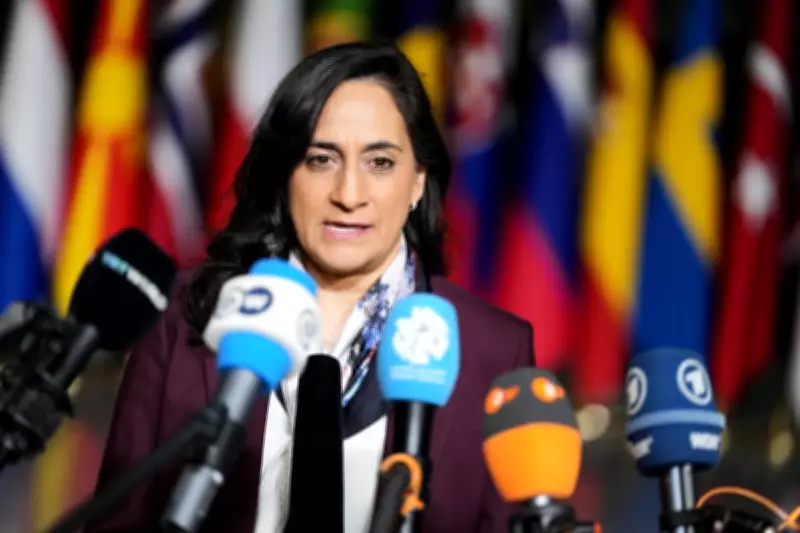
Foreign Affairs Minister Anita Anand explicitly confirmed the aid package, stating that Canada's intentions were not coordinated with US officials, including Secretary of State Marco Rubio. "This is Canadian foreign policy," Minister Anand declared. "We are focused squarely on the humanitarian situation." The funding is specifically designated to alleviate immediate food shortages and will be distributed through established United Nations agencies. This channel ensures the aid bypasses direct distribution by the Cuban government, aligning with transparent humanitarian protocols.
Worsening Crisis Driven by External Pressures
For over a year, Global Affairs Canada has issued stark travel advisories warning of "shortages of basic necessities, including food, medicine and fuel" throughout most of Cuba. The island's energy predicament has deteriorated sharply in recent weeks. This escalation followed the halting of crucial oil shipments from Venezuela, Cuba's primary supplier, after US military action against Venezuela in early January and the arrest of its then-leader. Subsequently, Mexico, another key supplier, suspended its oil shipments under considerable US pressure, further strangling Cuba's fuel supply.

Economic and Travel Impacts Mount
The acute scarcity of aviation fuel has already forced Air Canada and other international airlines to cancel flights to Cuba, dealing a heavy blow to the tourism sector that is vital to the island's struggling economy. Canadian tourism represents a crucial financial lifeline; Global Affairs Canada has previously highlighted Canada as Cuba’s second-largest source of direct investment, particularly in mining and tourism. The flight cancellations exacerbate an already dire economic situation.
Mexico's Substantial Aid Shipments Continue
In a parallel humanitarian effort, Mexico has dispatched a second major aid package to Cuba. Two Mexican navy vessels, the Papaloapan and the Huasteco, departed the Gulf of Mexico port of Veracruz on Tuesday, carrying a combined 1,193 tons of vital supplies.
- The Papaloapan is transporting 1,078 tons of beans and powdered milk.
- The Huasteco carries 92 tons of beans and 23 tons of other essential food items.
According to the Mexican Foreign Ministry, the final 23 tons of humanitarian aid were provided by various social organisations with support from the Mexico City government. This latest shipment, expected to arrive on Saturday, builds on a previous February delivery when Mexico sent over 814 tons of essential food and hygiene products to Cuba. That earlier aid coincided with ongoing diplomatic talks about resuming oil supplies, which were halted in mid-January just before former U.S. President Donald Trump announced a significant tightening of the economic embargo on Havana.
Broader Context of Sustained Economic Strife
The broader economic crisis gripping Cuba since 2020 has been severely compounded by intensified US sanctions, explicitly aimed at forcing political change on the island. These sustained pressures have resulted in critical goods shortages and severe blackouts that peaked in early 2026. Given that Cuba produces only 40% of its required fuel, it remains highly vulnerable to external blockades. While strong allies like Russia and China have condemned the US measures, their practical support has remained largely symbolic, leaving nations like Canada and Mexico to address immediate humanitarian needs.