Brazil has launched a fierce diplomatic condemnation of the United States following a military strike on Venezuela that resulted in the capture of President Nicolas Maduro, labelling the action an "unacceptable line" crossed.
Lula's Stern Rebuke and Call for UN Action
Brazil's President, Luiz Inacio Lula da Silva, issued a strong statement on Saturday 3 January 2026, denouncing the American intervention. He characterised the attack as a "grave affront to Venezuela's sovereignty" and urged the United Nations to mount a "vigorous" response to the crisis.
President Lula reiterated Brazil's longstanding position of promoting regional dialogue and cooperation, offering the nation's services to help de-escalate the situation. The condemnation follows confirmation from former US President Donald Trump that American forces were responsible for the attack which deposed the Venezuelan leader.

Emergency Response and Border Uncertainty
The dramatic developments prompted an immediate reaction in Brasilia. Brazilian officials convened an emergency cabinet meeting to assess the volatile situation unfolding with their northern neighbour.
Foreign Minister Mauro Vieira held urgent talks with his Venezuelan counterpart to discuss the fallout. In a move reflecting the initial chaos, Venezuela temporarily closed its border with Brazil. This frontier is a key crossing point for refugees and aid, making its closure a significant humanitarian concern. Reports indicate the border has since been reopened.
A Significant Escalation in Latin America
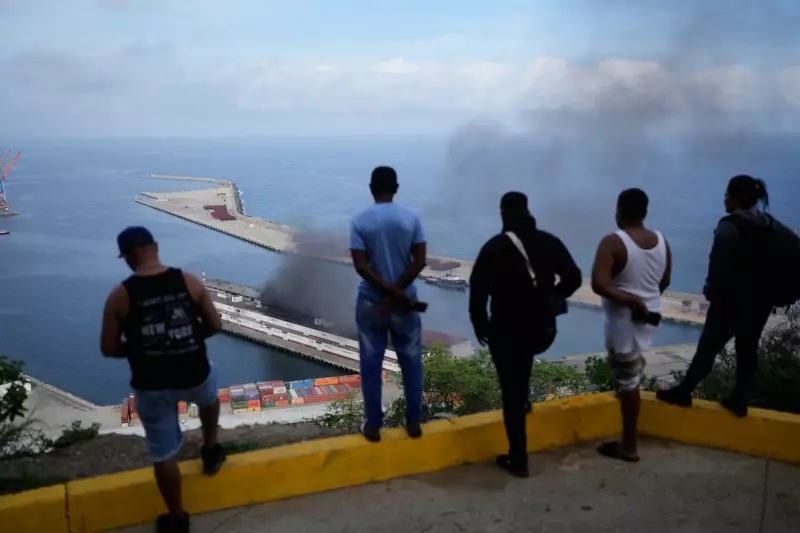
This US military action marks one of the most significant direct interventions in Latin America in decades. The strike, which targeted the port of La Guaira according to Associated Press imagery showing plumes of smoke, has sent shockwaves through the region.
The international community now watches closely to see how bodies like the United Nations will respond to Brazil's call for action, and what the lasting implications will be for regional stability and sovereignty.