From Ridicule to Reverence: The Swan Dress and Oscar's Most Iconic Looks
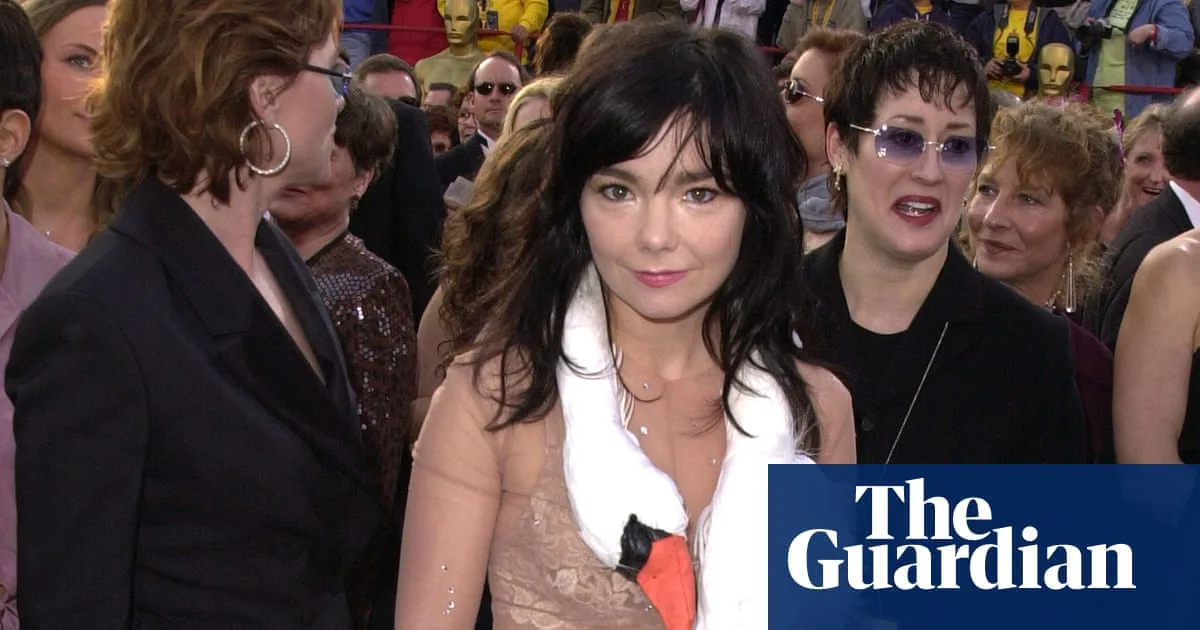
At the 2001 Academy Awards, Gladiator clinched Best Picture and Russell Crowe won Best Actor, but these achievements have faded into pub quiz trivia. In stark contrast, the red carpet birthed a fashion legend that endures: Björk's infamous "swan dress." Designed by Macedonian creator Marjan Pejoski, the ensemble featured a tutu skirt with a swan draped around the musician's neck, complete with egg accessories, and was initially panned by critics. Television fashion expert Steven Cojocaru famously declared it "one of the dumbest things I've ever seen."
A Quarter-Century Vindication
Today, Pejoski and Björk have been fully vindicated. The swan dress boasts its own Wikipedia page and has inspired tributes from RuPaul's Drag Race to singer Rosalía, cementing its status as one of the all-time great Oscar looks. This journey from mockery to masterpiece highlights how red carpet fashion can evolve in public perception. Here, we delve into seven other memorable Oscar outfits that have similarly shaped Hollywood style over the years.
Barbra Streisand's 1969 Sheer Pantsuit
In 1969, Barbra Streisand stunned audiences in a sequined, chiffon pyjama-style pantsuit by Arnold Scaasi, a designer known for dressing US first ladies. Under the bright lights, the outfit was largely see-through, causing a media sensation. When Scaasi passed away in 2015, Streisand reflected that he had "made many fabulous outfits for me over the years and unfortunately, only one of them stole the headlines ... I was embarrassed but it sure was original at the time." This look remains a bold statement in Oscar history.
Cher's 1986 Revenge Ensemble
Cher's 1986 Oscar appearance, clad in a Bob Mackie creation featuring a bra top, exposed midriff, and feathered headdress, was driven by revenge. Miffed at not receiving an Oscar nomination for her role in Mask, Cher aimed to make a statement. As she presented an award, she quipped, "As you can see, I did receive my Academy booklet on how to dress like a serious actress." This outfit exemplifies how personal motivation can translate into iconic fashion moments.
Sharon Stone's 1996 Accidental Chic
Sharon Stone's 1996 Oscars look, centered on a $22 Gap polo neck, is celebrated as a masterclass in high-low dressing. However, its origin was accidental: her intended dress was ruined when a delivery driver ran over it. With help from Basic Instinct costume designer Ellen Mirojnick, Stone assembled the outfit from her "favourite clothes." She revisited this formula in 1998 with a white shirt and satin skirt, showcasing improvisation's role in red carpet success.
Céline Dion's 1999 Back-to-Front Tuxedo
In 1999, Céline Dion donned a John Galliano back-to-front tuxedo, a rarity for red carpet trousersuits at the time. Initially lambasted and placed on worst-dressed lists, it is now cited as a classic Oscars look. Speaking to People in 2017, Dion called it ahead of its time, noting, "If I would do this today, it would work." This transformation underscores how avant-garde fashion can gain appreciation over decades.
Michelle Williams' 2006 Vera Wang Dress
Michelle Williams' 2006 Vera Wang dress, while less experimental than others, remains a fashion favourite. Its yellow hue on the red carpet may have inspired the "mustard and ketchup" trend, seen in later years with actors like Zendaya in 2021 and Timothée Chalamet in recent ceremonies. This look demonstrates how subtle choices can influence broader style movements in Hollywood.
Angelina Jolie's 2012 Meme-Worthy Moment
Angelina Jolie's 2012 Oscars dress, or more precisely her right leg, coincided with the rise of meme culture, spawning countless parodies on social media and sparking discourse about her body. Jolie later downplayed the viral moment, telling HuffPost, "I heard something, but I didn't pay any attention." This incident highlights how red carpet appearances can intersect with digital trends and public commentary.
Billy Porter's 2019 Gender-Non-Conforming Gown
Billy Porter's 2019 Christian Siriano tuxedo gown marked a pivotal moment for gender-non-conforming looks on the red carpet, a trend that has happily grown since. Writing for Vogue, Porter expressed his desire to be "a walking piece of political art every time I show up." This outfit underscores fashion's role in challenging norms and promoting inclusivity at major events like the Oscars.






