A coalition of American lawmakers is urging President Donald Trump to take immediate executive action to help restore internet access for the people of Iran, bypassing the usual legislative process. The call comes as Iran's regime continues a severe crackdown on widespread protests, having blocked communications in an attempt to suppress dissent.
Bipartisan Appeal for Emergency Action
In a significant show of cross-party unity, Democrats and Republicans from the House of Representatives have written directly to President Trump. They have asked him to authorise the State Department to collaborate with the Open Technology Fund, a congressionally funded non-profit. This organisation specialises in developing technologies designed to overcome state censorship.
The lawmakers argue that the dire situation in Iran, where human rights groups report thousands of deaths since protests erupted on 28 December, warrants emergency measures. They seek to effectively implement the provisions of a bill known as the "Freedom Act" without waiting for it to pass through Congress.

The "Freedom Act" and Technological Lifelines
The proposed legislation, formally titled the "feasibility review of emerging equipment for digital open media" act, was introduced last month by a bipartisan group. Its sponsors include Democratic Representative Dave Min of California, Republican Claudia Tenney of New York, Senator Dave McCormick (R-Pennsylvania), and Senator Jacky Rosen (D-Nevada).
In their letter, the 17 members of Congress state: "The scale and intensity of these demonstrations, coupled with the regime’s use of force... warrant immediate attention." They are confident the executive branch can immediately begin using tools like virtual private networks (VPNs) and assess emerging direct-to-cell networks to help Iranians bypass regime-controlled infrastructure.
Mounting Pressure Amid Escalating Crackdown
The push for action has gained fresh urgency due to the Iranian government's violent response. While groups like Human Rights Watch and Amnesty International estimate the death toll at between 1,000 and 1,500, unconfirmed reports from within Iran suggest it could be as high as 12,000. The regime has a history of responding to unrest with execution waves, a practice it has threatened to resume.
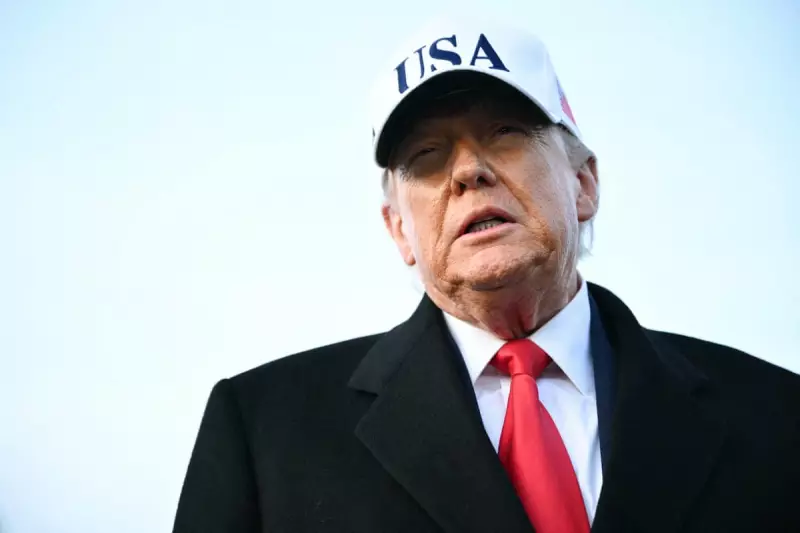
President Trump has publicly vowed that "help is on the way" to Iranian protesters and promised "very strong action" if executions proceed. However, he has not specified details. The lawmakers' letter, also sent to Secretary of State Marco Rubio, represents a concrete proposal to translate that rhetoric into action, providing a critical communications lifeline to those cut off from the world.