Berlin's Ukraine Museum Opens in WWII Air-Raid Bunker
Descending into the windowless basement of a second world war air-raid bunker in central Berlin offers an eerie glimpse into life during conflict. This historic site now houses the new Ukraine Museum, a unique institution designed to bring the harsh reality of war in Europe directly to visitors. Before even entering the first room, guests are "targeted" by a simulated Russian drone, seeing themselves on the weapon's camera screen just before a lethal shot is released.
"We aim to show people the physical reality of the conflict," explains Wieland Giebel, one of the museum's curators. "Our goal is to make it clear that this war is happening here and now in Europe, and ignoring it poses a grave risk." The museum opened during the fourth anniversary of Russia's full-scale invasion of Ukraine, created with remnants from the war and assistance from the National Military History Museum in Kyiv and frontline troops from the 7th Rapid Response Corps in Pokrovsk.
Exhibits Chronicle Invasion and Resilience
The exhibition chronicles the invasion, exploring its historical origins and weaving in personal accounts from those whose lives have been irrevocably affected. Alongside demolished equipment and images of destruction, it pays homage to Ukrainian resilience. "People are in danger of growing tired of the war," Giebel notes. "This is a living, moving exhibition intended to jolt them out of that complacency."

As the only museum of its kind outside Ukraine, privately funded, it will remain open for at least as long as the war persists. "Every anniversary is one too many," Giebel adds. He and fellow curator Enno Lenze, who founded the Berlin Story Bunker in 2014, travel regularly to Ukraine to deliver aid and collect new objects for the museum.
Key Artifacts and Immersive Displays
At the centre of the museum stands a silver-grey Fiat Scudo van with a shattered windscreen, a torn roof, and blood-spattered seats. This "social taxi" was used to evacuate elderly people in Kherson and transport children to hospitals before being hit by a Russian drone in April 2025. Footage from the drone, traced on a Russian Telegram channel, shows the deliberate targeting that killed 28-year-old aid worker Oleg Salnyk, whose bloodied face was later used in Russian propaganda.
Other exhibits include:
- Twenty Russian drones hanging from the ceiling, including the low-cost Molniya, built for about €100 using duct tape and disposable cameras, used to drop grenades on civilians.
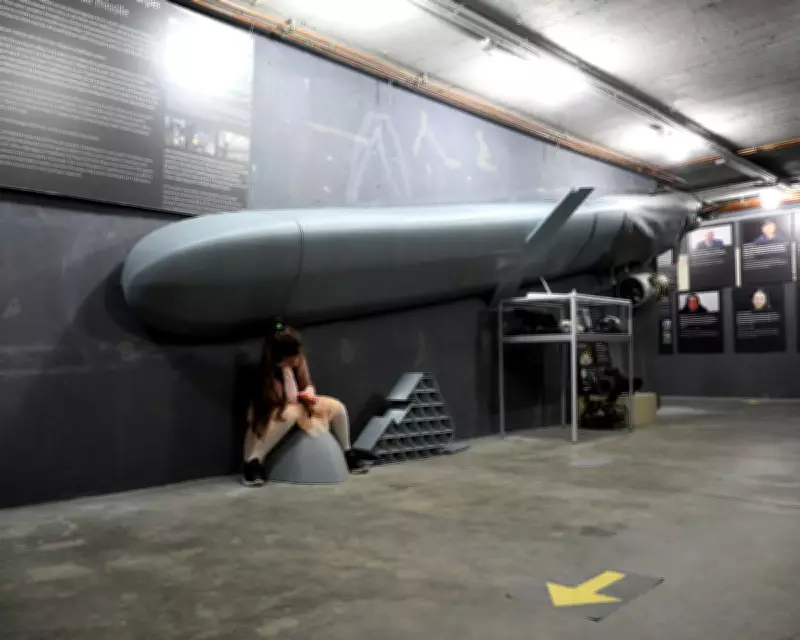
- A reconstructed Russian cruise missile, created with a 3D printer in eight parts, to demonstrate its imposing size when in flight.
- A large photograph of a Kyiv apartment block damaged by the original missile, with commentary from former TV anchor turned reporter Roman Sukhan, who lost a friend in the attack.
"The war is always very close," Sukhan remarks, hoping the exhibition will remind Germans of the threat posed by Putin. Germany, a key supporter of Kyiv with about 1.3 million Ukrainian refugees, faces internal divisions over continued arms funding.
Political Warnings and Unsubtle Gestures
The curators openly warn against the rise of Russia-friendly political parties, highlighting Putin apologists among the elite who downplay the threat. Slogans like "Help or be an arsehole" adorn the walls, reflecting their direct approach. Lenze and Giebel gained recognition for placing a wrecked Russian T72 tank in front of the Russian embassy in Berlin on the invasion's first anniversary in 2023.
Hanna Maliar, a former Ukrainian deputy defence minister who assisted the museum, advises: "My advice to Germany is whatever you do, don't get rid of your bunkers." This museum serves as a stark reminder of the ongoing conflict and the need for vigilance in Europe.