Belarusian President Alexander Lukashenko won a seventh consecutive term in January 2025, an election dismissed by the opposition as a sham. Opposition leaders and activists are either jailed or exiled, and no dissent is tolerated inside the country.
Lukashenko, often called Europe's last dictator, has ruled Belarus with an iron fist since 1994. He has been repeatedly re-elected in contests that opposition candidates and foreign observers label as unfair and undemocratic.
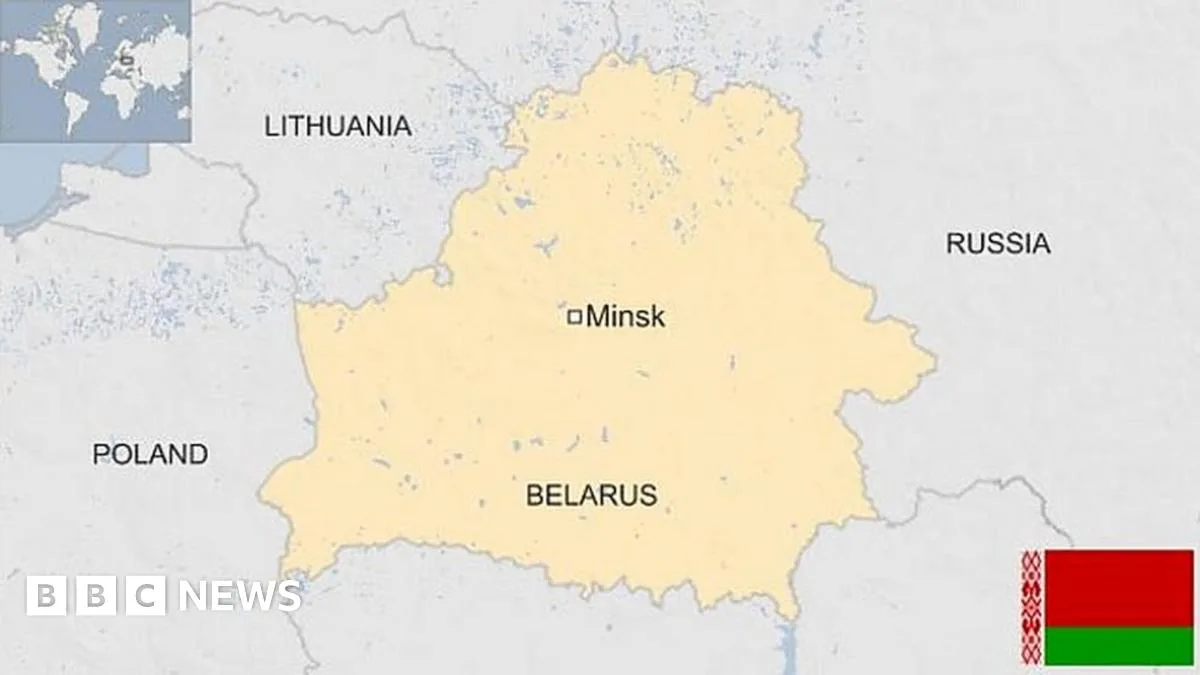
The EU, UK, USA and Canada have imposed sanctions on Belarus for political oppression and for its role in the 2022 invasion of Ukraine. Poland and Lithuania do not recognise Lukashenko as the legitimate president, and Lithuania hosts the main opposition candidate, Sviatlana Tsikhanouskaya.
Rights bodies heavily criticise Belarus for suppressing free speech, muzzling the press and denying opposition access to state media. Television is the main news source, with national channels state-controlled and Russian networks as their main competitors.
Belarus remains heavily dependent on Russia for energy supplies, and Lukashenko has steadfastly opposed the privatisation of state enterprises. The country's economy declined after independence, having been one of the most prosperous parts of the Soviet Union during the post-war years.