Bafta's Diversity Milestones Overshadowed by Unedited Slur Incident
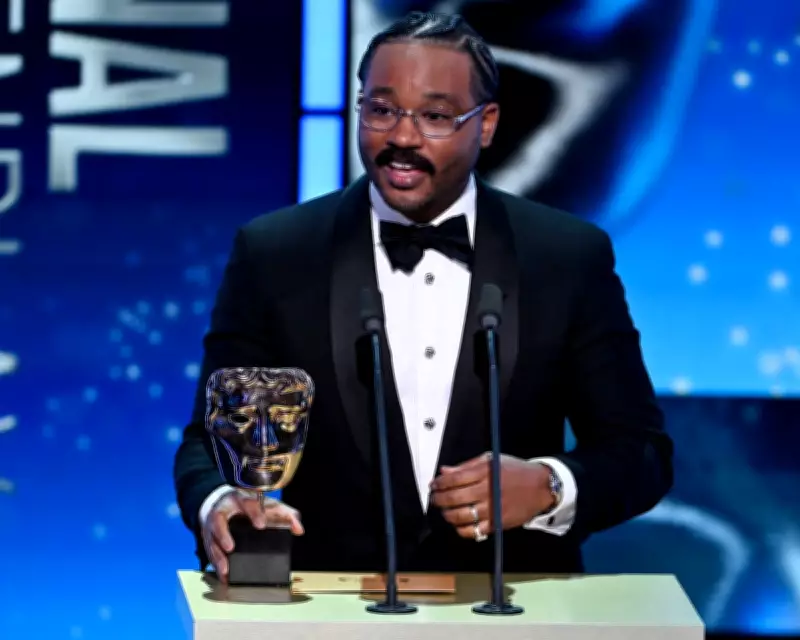
Ryan Coogler has become the first black winner of the original screenplay award at the Baftas, a significant milestone in the ongoing efforts to improve diversity within the film industry. However, this achievement was largely overshadowed by a controversial incident during the broadcast, where an unedited slur shouted by Tourette syndrome campaigner John Davidson dominated headlines.
Editing Controversy Mars Broadcast
Bafta faced severe criticism for its decision not to edit out John Davidson's shouted tics from the televised broadcast, despite using a two-hour time delay to remove other contentious moments. Davidson, who has Tourette syndrome, involuntarily yelled the N-word while black actors Michael B Jordan and Delroy Lindo were presenting a prize. This oversight has been described as a perverse decision, especially given that Bafta had judiciously edited out Akinola Davies Jr's shout of "Free Palestine!" and Alan Cumming's politically charged comparison of Zootropolis 2 themes to contemporary America.
The failure to remove this appalling slur has shifted focus away from what should have been the main story: the notable progress in diversity at the awards ceremony. The hashtag #BaftasSoWhite, which trended critically in 2020 when no nominees of colour were up for acting awards, appears to be fading into history due to Bafta's extensive reforms.

Significant Strides in Diversity
Bafta has undertaken radical work to overhaul its rules, regulations, and membership demographics, outpacing organisations like the Oscars and the Globes. Wins for Wunmi Mosaku as supporting actress and Ryan Coogler for original screenplay, both for the film Sinners, along with My Father's Shadow receiving the outstanding British debut award, suggest that change is genuinely in the air. Additionally, the victory of the little-seen cartoon Boong as best children's and family film represents a significant win for the rule requiring voters to see all nominees in a category before voting.
Perhaps the most triumphant vindication of this measure was Robert Aramayo's surprise win for leading actor, snatching the trophy from favourites Leonardo DiCaprio and Timothée Chalamet. His film, I Swear, also took best casting, and Aramayo was named rising star by the public, highlighting grassroots endorsement for diverse storytelling.
Credibility and Recovery
While Bafta may have forfeited some Hollywood leverage due to the editing controversy, it has gained credibility through its bold championing of diverse voices. The organisation now faces the challenge of recovering from this misstep. Aramayo's speech, which urged understanding and compassion for Davidson's condition, and the graceful responses from Jordan and Lindo, offer a path forward. This incident may ultimately serve as a catalyst for further reflection and improvement, potentially ending longstanding criticisms, such as Denzel Washington's lack of Bafta nominations.
In summary, the Baftas 2026 ceremony showcased both the leaps forward in diversity and the persistent challenges in handling sensitive broadcast content, underscoring the complex journey toward inclusivity in the entertainment industry.