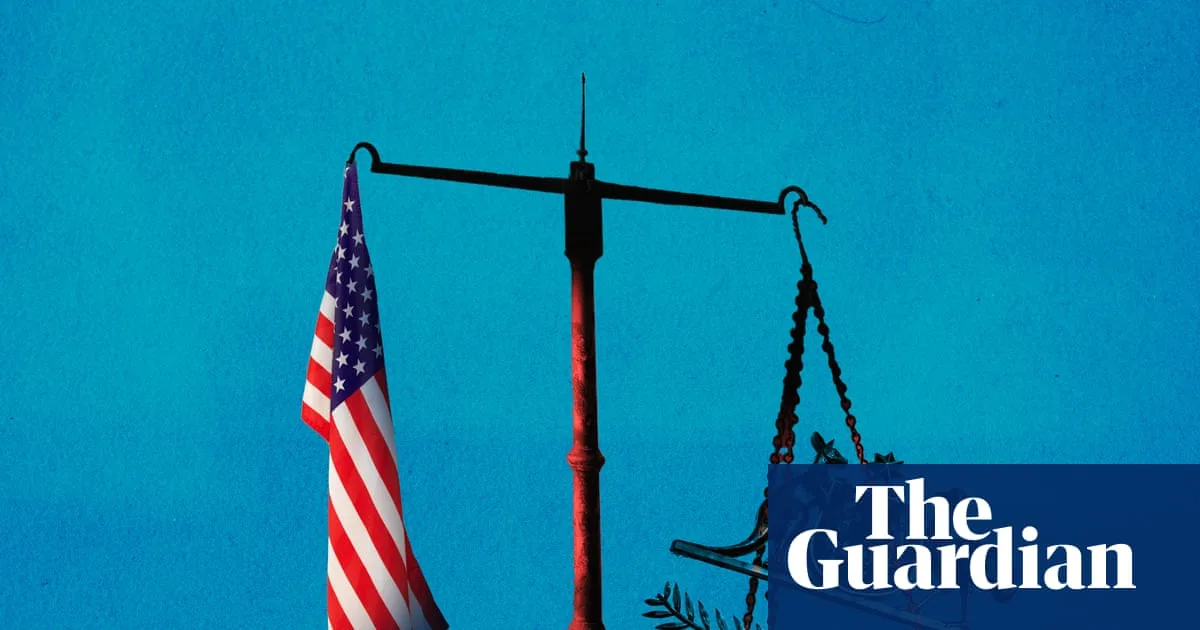
Australia's Faith in US Alliance Evaporates Under Trump's Second Term
Australia's confidence in US alliance collapses under Trump

Australia's seven-decade security alliance with the United States is facing unprecedented strain, with public confidence evaporating under Donald Trump's radical second presidency. Analysts agree the liberal international order that Canberra depended upon has been dismantled, with no return to normalcy in sight.

Public Trust in Freefall

A year into Trump's second term, polls reveal a dramatic collapse in Australian faith in its "great and powerful friend." A Lowy Institute poll from June 2025 found 72% of Australians have little or no confidence in Trump "to do the right thing." Meanwhile, a YouGov survey for the Australia Institute in November showed just 8% of Australians believe the nation shares values with modern America, with a plurality viewing the US as an unreliable ally.

This crisis of confidence stems from a presidency acting with greater aggression and fewer restraints. Beyond the brazen intervention in Venezuela, Trump has openly contemplated forcibly seizing Greenland from NATO ally Denmark and threatened Cuba. His administration's recent national security strategy mentions Australia only three times, while signalling intent to interfere in allies' domestic politics to support right-wing parties.

Wide Pickt banner — collaborative shopping lists app for Telegram, phone mockup with grocery list

An Alliance Built on Shaky Ground

The alliance, long an article of faith for Australia's political class, now depends on a fraying social licence. Foreign Minister Penny Wong recently stated that playing the US relationship into domestic politics is a rule to avoid, yet the public mood has shifted decisively.

Michael Fullilove, Executive Director of the Lowy Institute, notes that while support for the alliance concept remains robust—with eight in ten Australians deeming it important for security—trust in the US itself has plunged from 56% to 36%. "Trump's instincts run counter to our impulses," Fullilove states. "He's an alliance sceptic; we're alliance believers. He has an affinity for autocrats; we're a democracy."

Former Labor foreign ministers are contemplating the alliance's end. Gareth Evans describes Trump's America as having "zero respect for international law, morality and the interests of its allies," while Bob Carr suggested on X that "our alliance with the mad politics of the US might have run its course."

Navigating a Post-Order World

Experts warn that Trump's departure in January 2029 will not herald a full restoration. The stacked Supreme Court, hollowed-out government departments, and a transformed geopolitical landscape present a lasting legacy. Fullilove argues "the liberal international order has been replaced by something illiberal, nationalistic and disorderly."

In response, a three-pronged Australian strategy is emerging: greater self-reliance through increased defence spending and nuclear submarines; stronger regional partnerships; and continued efforts to keep the US engaged in the Indo-Pacific by demonstrating value through assets like the Pine Gap spy base and the Five Eyes network.

Professor Bec Strating, Director of the La Trobe Centre for Global Security, warns against complacency. "This period is partly a reflection of the structural shifts in the United States. Trump's re-election solidified the idea that there is no real going back to normal for the US now." She highlights a potential generational rift, as younger Australians concerned about climate action find an alliance with a "drill, baby, drill" administration increasingly unpalatable.

The AUKUS submarine deal, often conflated with the broader alliance, exemplifies the dilemma. Emma Shortis of the Australia Institute argues it "locks Australia into American conflict and military adventurism" while eroding sovereign decision-making. With the US openly questioning the reliability of allies who don't meet spending demands, Australia faces a fundamental security question unaddressed for seventy years.

The era of American dominance that the Australian-American Memorial in Canberra symbolises is fading. The challenge for Australian statecraft is no longer how to thrive within a US-led order, but how to secure national interests in a world where the powerful act as they please, and the weaker endure what they must.

Pickt after-article banner — collaborative shopping lists app with family illustration