
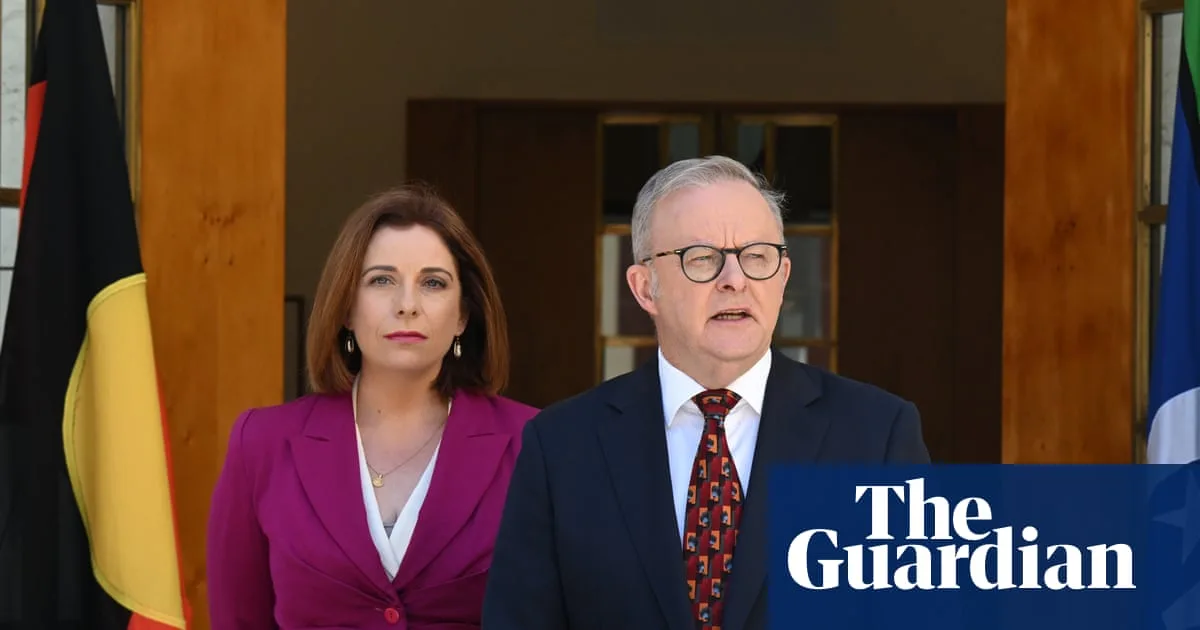
Prime Minister Anthony Albanese has defended his decision to approve a £100,000 trip to New York for Communications Minister Anika Wells and two others to promote Australia's social media ban at the UN General Assembly. The trip has drawn scrutiny over its cost, with taxpayers charged £95,000 for flights and additional expenses for accommodation and ground transport.
Wells faced questions about her travel entitlements after reports revealed her family used taxpayer-funded reunion benefits for a skiing trip to Thredbo in June while she was there for official events. She also travelled to Adelaide for official business but attended a friend's birthday, according to the Australian Financial Review.
Albanese said the minister's short visit was crucial in rallying support against powerful tech companies. 'When you've got Australia, a middle power taking on these global giants ... it has helped that we have others in our corner now,' he told ABC's Insiders.
Wells' attendance was delayed after a triple-zero outage during an Optus network upgrade resulted in three deaths. She later took last-minute commercial flights with a staffer and a departmental official. The communications department also paid £70,000 to host an event titled 'Protecting children in the digital age' at the UN.
Shadow Finance Minister James Paterson questioned the flight costs and called for a review by the Independent Parliamentary Expenses Authority. Wells defended her actions, saying everything was within entitlement rules and that the visit was critical for winning allies for Australia's social media ban for under-16s, due to take effect this week.




