From Misfits to Bullies: The Toxic Legacy of America's Next Top Model
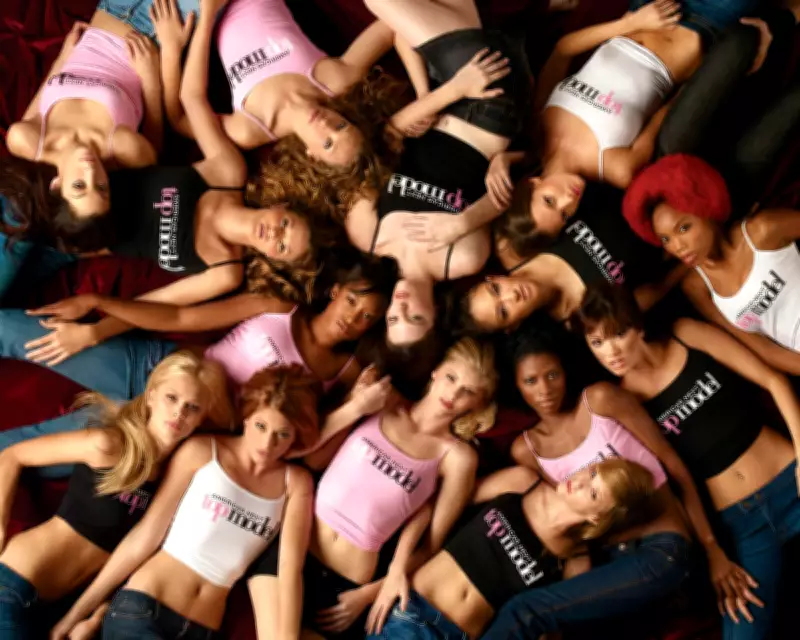
A new Netflix docuseries, Reality Check: Inside America's Next Top Model, has sparked a profound re-evaluation of the iconic reality show. Originally launched in 2003, the series aimed to disrupt the fashion industry by promoting diversity, but over its 24 cycles, it became a hotbed of toxicity, as detailed in shocking revelations from former contestants and crew.
The Viral Confrontation and Darker Truths
One scene from the show has achieved viral infamy: Tyra Banks' explosive 2005 confrontation with contestant Tiffany Richardson, where Banks screamed, "I was rooting for you, we were all rooting for you, how dare you!" While this moment has been memeified across social media, it masks a much darker reality. Jay Manuel, a former judge, reveals in the docuseries that "there was a lot more that was really said" off-camera, describing it as far from humorous.
The reassessment of America's Next Top Model gained momentum during the pandemic, as millennials and a younger generation scrutinized the show with a "2020 lens." YouTube and TikTok breakdowns highlighted problematic elements, including bodyshaming, racism, and insensitive comments from judges like Janice Dickinson. This social media reckoning pressured Banks, the show's creator and host, to participate in the Netflix series, marking the most substantive autopsy of the show to date.

Diversity Intentions and Hypocritical Standards
Tyra Banks, who broke barriers as one of the few Black supermodels, envisioned the show as a form of "payback" against an exclusionary industry. She aimed to showcase diversity, featuring women of colour, queer and trans contestants, and plus-sized models. Initially, the show resonated with a young female audience, airing in 170 countries at its peak.
However, as co-director Daniel Sivan notes, "They started as misfits with very good intentions... but as power grew, they became bullies." The series documents how the show upheld the very standards it claimed to challenge, often at the expense of contestants as young as 18.
Exploitative Practices and Traumatic Incidents
The docuseries outlines numerous instances of exploitation, ranging from microaggressions to dangerous situations:
- Dani Evans was pressured to close her tooth gap to remain on the show, a decision she now regrets.
- Keenyah Hill faced cruel editing that exaggerated her eating habits, transitioning from comments about her thin frame to weight loss demands.
- Dionne Walters was forced to pose as a shooting victim despite revealing her mother had been shot, with producers allegedly hoping for a "mental breakdown."
- Early seasons included weight tests, exacerbating issues for contestants like Shannon Stewart, who struggled with an eating disorder.
- The infamous "race-swapping" week saw contestants cosplay as other races, a practice Banks now admits was problematic.
- Shandi Sullivan alleges that a filmed incident framed as a drunken indiscretion was actually sexual assault, with cameras continuing to roll as she called her boyfriend in tears.
Co-director Mor Loushy describes Shandi's interview as "one of the most difficult" she has ever conducted, highlighting a "red line that was crossed." The defence for filming such moments—claiming it was for documentary purposes—is criticized by Sivan, who emphasizes that ethical filmmaking requires intervention, not exploitation.
Complex Blame and Cultural Context
Banks deflects responsibility for production decisions, stating it was "not my territory," but the docuseries explores the complex blame shared among Banks, producer Ken Mok, and the network. The show existed during a "wild west" era of reality TV, where scrutiny of women's bodies was normalized. Sivan points out that misogyny affected Banks as one of the few female show-runners at the time, and harmful behaviors like bodyshaming were culturally accepted.
Despite advancements in duty of care for reality shows, the docuseries questions whether modern culture, dominated by social media pressures, has truly improved. Sivan contrasts the show's diverse beauty standards with today's homogenized ideals on platforms like Instagram.

Tyra Banks' Admissions and Future Prospects
In the series, Banks shows increased self-awareness, admitting she "went too far" in the Tiffany confrontation, attributing it to deeper societal pressures on Black women. She also hints at a potential revival, mentioning plans for "cycle 25." Loushy and Sivan believe those involved are eager to return, with Sivan noting it is "Tyra's dream."
However, the directors caution that any revival must focus on contestants' personalities rather than their appearances to avoid past pitfalls. Loushy admits the show's addictive quality remains, but its legacy is now irrevocably tarnished by the toxic practices exposed in this compelling docuseries.