Ali Larijani: Iran's De Facto Leader Poised to Succeed Khamenei
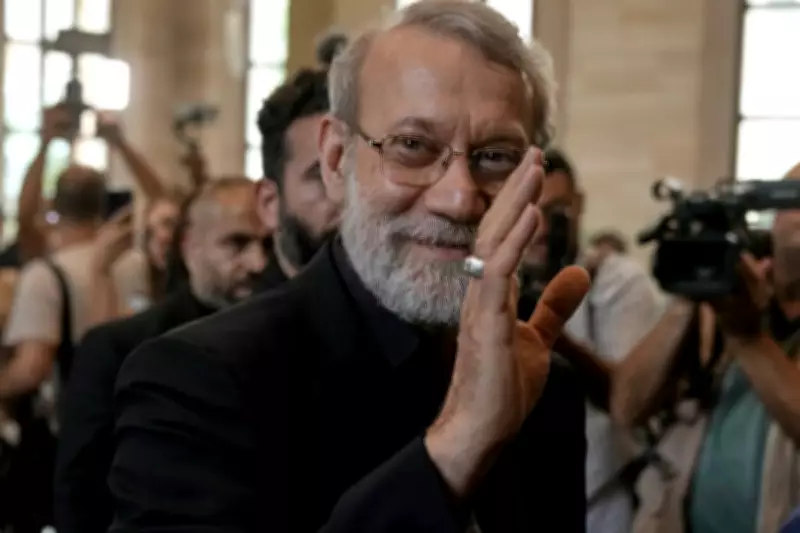
Ali Larijani has been identified by regional experts as the most likely successor to Ayatollah Ali Khamenei, following the Iranian leader's death in the aftermath of joint US-Israeli military strikes. Larijani, a prominent security figure within Iran's political establishment, has rapidly consolidated power and adopted an uncompromising, aggressive stance on the international stage.
Rise to Power and Aggressive Posturing
Despite not being a cleric or appearing on Khamenei's official shortlist for succession, Larijani's influence has grown exponentially through his role on Iran's Supreme National Security Council. His authority now eclipses that of the country's official president, positioning him as the de facto leader during this critical transitional period. In response to the strikes that preceded Khamenei's death, Larijani has threatened severe retaliation against perceived adversaries and has firmly rejected any renewed nuclear negotiations with the United States.
Domestic Crackdowns and Human Rights Concerns
Larijani's political history includes advocating for brutal crackdowns on domestic dissent, most notably calling for violent suppression of political demonstrations in late 2025. These actions resulted in an estimated 30,000 deaths, highlighting his willingness to employ extreme measures to maintain control. His approach to governance suggests a continuation of hardline policies that prioritise state security over civil liberties.

Implications for Iran's Future Direction
Experts warn that Larijani's potential ascension to formal leadership could signify a dramatic shift in Iran's political landscape, moving towards a more militarised state. This challenges the long-held assumption that clerical rule would inevitably continue, suggesting instead that security apparatus figures may dominate future governance. The international community is closely monitoring these developments, concerned about increased regional instability and the potential for escalated conflicts.
As Iran navigates this power vacuum, Larijani's consolidation of authority raises critical questions about the country's domestic policies and foreign relations. His leadership style, characterised by aggression and intolerance for opposition, could redefine Iran's role on the global stage for years to come.