The Defiant Life and Tragic Death of Alexei Navalny
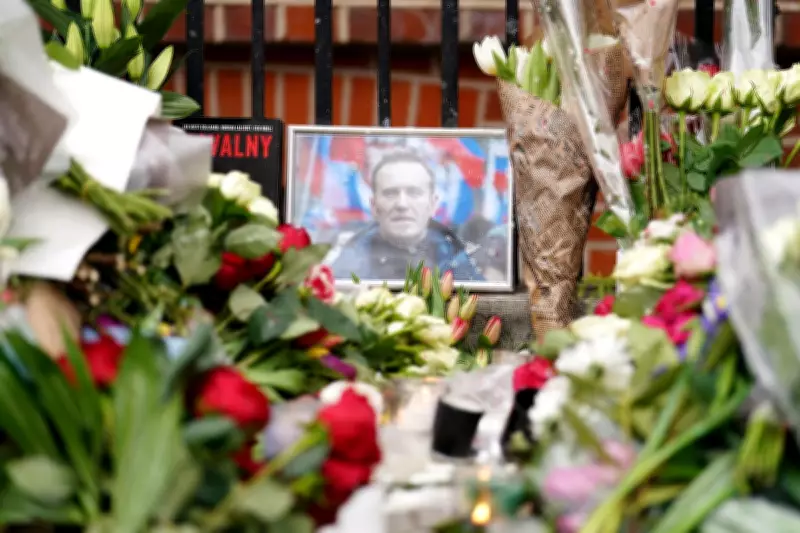
Alexei Navalny, the most prominent and persistent critic of Russian President Vladimir Putin, died in a Siberian penal colony in February 2024 at the age of 47. His death marked a grim endpoint to a life dedicated to challenging official corruption and organising major anti-government protests across Russia.
A Relentless Campaign Against Corruption
Mr Navalny had been imprisoned since January 2021, but his activism spanned over a decade. In 2011, he founded the Anti-Corruption Foundation, an organisation that published detailed investigations alleging corruption by high-ranking Russian officials and their associates. His fearless work earned him the Sakharov Prize for human rights, though it also made him a target of the state.
In a famous 2011 interview, Navalny described Russia's ruling party, United Russia, as a "party of crooks and thieves", a phrase that resonated deeply with many Russians and cemented his reputation as a bold opposition figure.

Political Persecution and Poisoning
The Russian state responded to Navalny's growing influence with a series of criminal prosecutions widely viewed as politically motivated attempts to bar him from elections. Convicted of embezzlement in 2013, he surprisingly received a suspended sentence after prosecutors demanded his release pending appeal—a move many observers attributed to authorities wanting to lend legitimacy to the Moscow mayoral election, where Navalny ultimately finished a strong second.
Barred from the 2018 presidential election, Navalny faced even graver dangers. In August 2020, he was hospitalised after being poisoned with a Novichok nerve agent, requiring medical evacuation to Berlin. Navalny directly accused Putin of responsibility, and investigations implicated agents from Russia's Federal Security Service. The Oscar-winning documentary Navalny captured his defiant response: "If they decided to kill me, it means we are incredibly strong. We need to utilise this power to not give up."
Imprisonment and Isolation
Upon returning to Russia in January 2021, Navalny was immediately arrested for allegedly violating parole conditions while hospitalised in Berlin. Mass protests erupted following his arrest, but despite imprisonment, he remained a thorn in Putin's side, with his associates posting scathing attacks on social media.
Amnesty International recognised him as a prisoner of conscience, while Russian authorities designated his organisations as extremist and liquidated them. In March 2022, he received a nine-year fraud sentence described as a sham, extended to 19 years in August 2023 on extremism charges.
His final months were spent in extreme isolation. In December 2023, he was transferred to a "special regime" penal colony above the Arctic Circle in Kharp, a remote town notorious for severe winters. Allies decried this as another attempt to silence him before his death two months later.
Legacy and International Response
Two years after his death, the UK and its allies have pinned blame on the Russian state, citing analysis of poison derived from dart frog toxin found on Navalny's body. Throughout his ordeal, Putin notably avoided mentioning Navalny by name, referring to him only as "that person" in an apparent effort to diminish his importance.
Navalny's legacy endures as a symbol of resistance against authoritarianism and corruption. His life and death underscore the extreme risks faced by opposition figures in Russia and the lengths to which the state will go to suppress dissent.