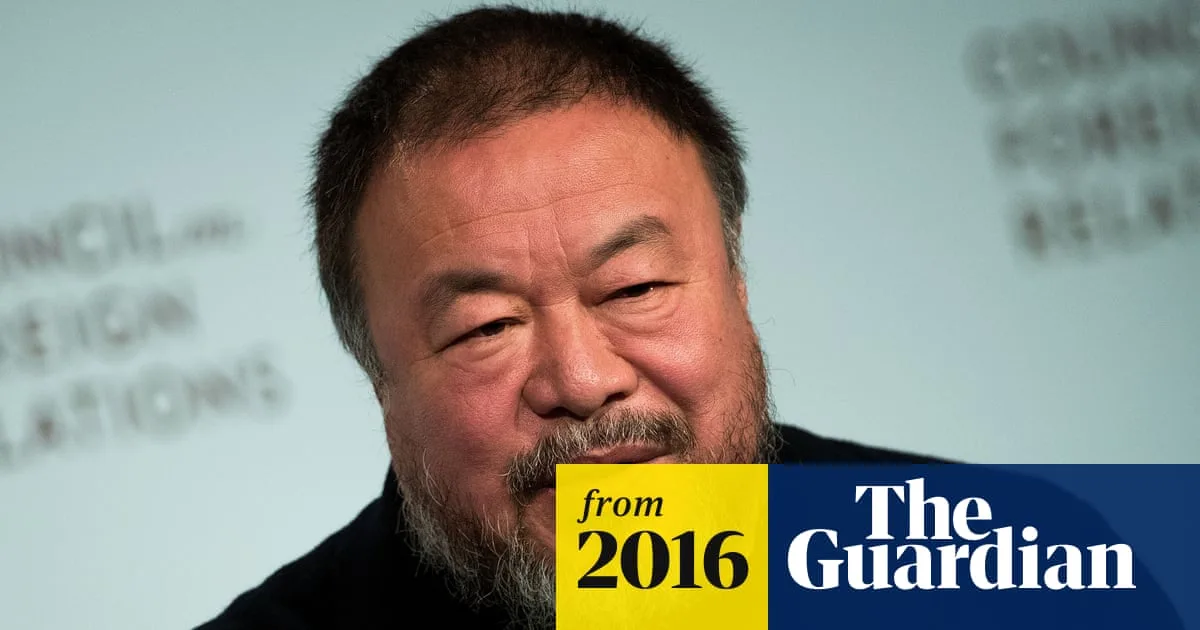
Ai Weiwei Condemns Western Hypocrisy on Human Rights Amid Starmer's China Visit
Ai Weiwei Slams Western Hypocrisy on Human Rights

Prominent Chinese dissident artist Ai Weiwei has launched a scathing critique of Western nations, accusing them of profound hypocrisy when raising human rights concerns with China. The artist, known for his activism, declared that Western governments are "not even in a position to accuse China" given their own international records on human rights and freedom of speech.

A Complete Change of Perspective

In a revealing interview with Reuters, Ai Weiwei explained that his position has undergone a dramatic transformation. He previously advocated for Western leaders to publicly denounce China's human rights record before engaging in business negotiations. "But today I changed my mind, completely," he stated, suggesting that Western audiences would find such criticisms laughably hypocritical.

Timing with Starmer's Diplomatic Mission

These pointed remarks coincide with British Prime Minister Keir Starmer's significant four-day visit to Beijing, marking the first trip by a UK leader to China in eight years. Starmer's diplomatic mission aims to strengthen bilateral relations despite ongoing concerns about human rights abuses within China.

Ai Weiwei argued that Western leaders appear "shy even to talk about those things" when addressing human rights issues, highlighting what he perceives as double standards in international diplomacy.

Personal Experiences of Western Censorship

The artist provided concrete examples to support his claims, pointing to:

  • The UK's prolonged legal handling of Julian Assange's case involving classified US military documents
  • A London gallery's decision to postpone his 2023 exhibition following his social media commentary on the Gaza conflict

Despite his criticisms, Ai Weiwei described Starmer's engagement with China as "rational and practical" and a "very good move" that would benefit Britain and be positively received in China.

Returning Home After a Decade

Ai Weiwei also reflected on his emotional return to China after approximately ten years abroad, following Chinese authorities returning his passport. He described the experience as akin to "a phone call that had been disconnected for 10 years suddenly reconnecting."

His passport had been confiscated four years earlier amid tax evasion allegations that resulted in 81 days of detention and subsequent surveillance. During this period, his communications were strictly monitored, leading him to live across various European nations including Germany, the United Kingdom, and Portugal.

"What I missed most was speaking Chinese," he revealed, adding that for immigrants, "the greatest loss is not wealth, loneliness or an unfamiliar lifestyle, but the loss of linguistic exchange."

The artist made these comments while promoting his new book, On Censorship, further emphasising his complex relationship with both Chinese authorities and Western governments regarding freedom of expression and human rights advocacy.




