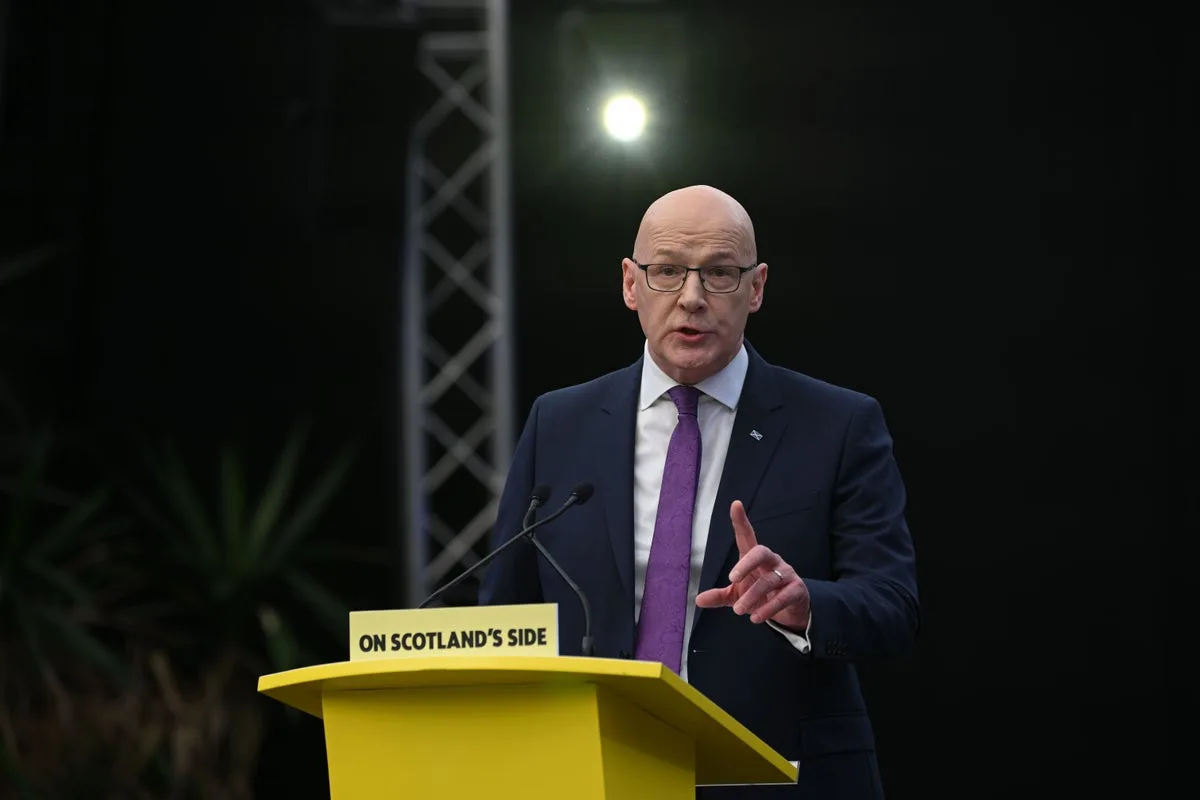
The UK Government has dismissed the SNP’s manifesto pledge to cap the price of essential food items as “undeliverable”, warning it could cost the Scottish Government “millions in legal bills”. A senior UK Government source said the policy, announced by First Minister John Swinney on Thursday, is “incoherent” and risks putting “money in the pockets of lawyers” rather than working people.
The SNP manifesto promises to limit the cost of up to 50 essential food items, such as bread, milk and eggs, on public health grounds. Swinney said the plan would use Holyrood’s powers over public health to set a maximum price, arguing that the cost-of-living crisis is impacting the nation’s nutrition. Legislation would be introduced early in the new parliamentary term, with a “sunset clause” to scrap the measure when no longer needed.
However, the UK Government source noted that any such move would be subject to the Internal Market Act, which can block legislation affecting other parts of the UK. The source added that the UK Government is focused on immediate cost-of-living action, such as cutting fuel bills. The Scottish Retail Consortium also criticised the policy as “wrongheaded”, suggesting instead that more money should go to retailers to reduce costs for consumers.

The SNP manifesto also pledges not to increase income tax rates or bands, and to “simplify” the tax regime. Swinney assured Scots that taxes would not rise, though he did not rule out merging the bottom three tax bands. The party also promised to cap bus fares at £2 per journey, with a subsidy for bus companies that could reach £210 million by 2031-32.
The Institute for Fiscal Studies warned that the manifesto’s spending pledges, costing an estimated £1.4 billion a year by 2031-32, would likely require further tax rises or deeper cuts to low-priority spending. Swinney, seeking a majority of seats on May 7, framed the election as a vote for a second independence referendum, saying: “Supporting the SNP is a vote to put Scotland’s future in Scotland’s hands.”