SNP Poised for Fifth Term in Scotland as Opposition Fragments
SNP Set for Fifth Term as Scottish Opposition Splinters

SNP Set to Retain Power in Scotland as Rivals Falter

The Scottish National Party appears poised to secure a fifth consecutive term in Holyrood following the 2026 Scottish Parliament elections. This anticipated victory stems not from the SNP's own achievements but rather from the significant shortcomings of both Labour and the Conservative parties. Despite this likely outcome, the election result will carry an unmistakable air of "unfinished business," leaving Scotland's constitutional future unresolved.

A Fragmented Opposition Ensures SNP Dominance

Current polling and historical turnout patterns suggest approximately 5.4 million Scots will participate in the May 7th elections. The peculiarities of Scotland's mixed electoral system—combining first-past-the-post with proportional representation—favour the SNP. With opponents fragmented across multiple parties, the nationalist vote remains concentrated and efficient.

SNP leader John Swinney, who assumed leadership following Humza Yousaf's departure in 2024, is expected to return as First Minister. If the SNP maintains power until the parliament's expiration in 2031, it will represent the second-longest period of electoral dominance in UK political history over the past century, surpassed only by Welsh Labour's tenure from 1999 to 2026.

Wide Pickt banner — collaborative shopping lists app for Telegram, phone mockup with grocery list

Limited Mandate Despite Expected Victory

While the SNP is projected to secure between 35 and 40 percent of the vote, this represents a decline from their 2021 performance under Nicola Sturgeon. This diminished support will likely translate to around 60 constituency seats, potentially providing a slim majority in the 129-seat assembly. However, this outcome hardly constitutes a robust vote of confidence in the party's lengthy record.

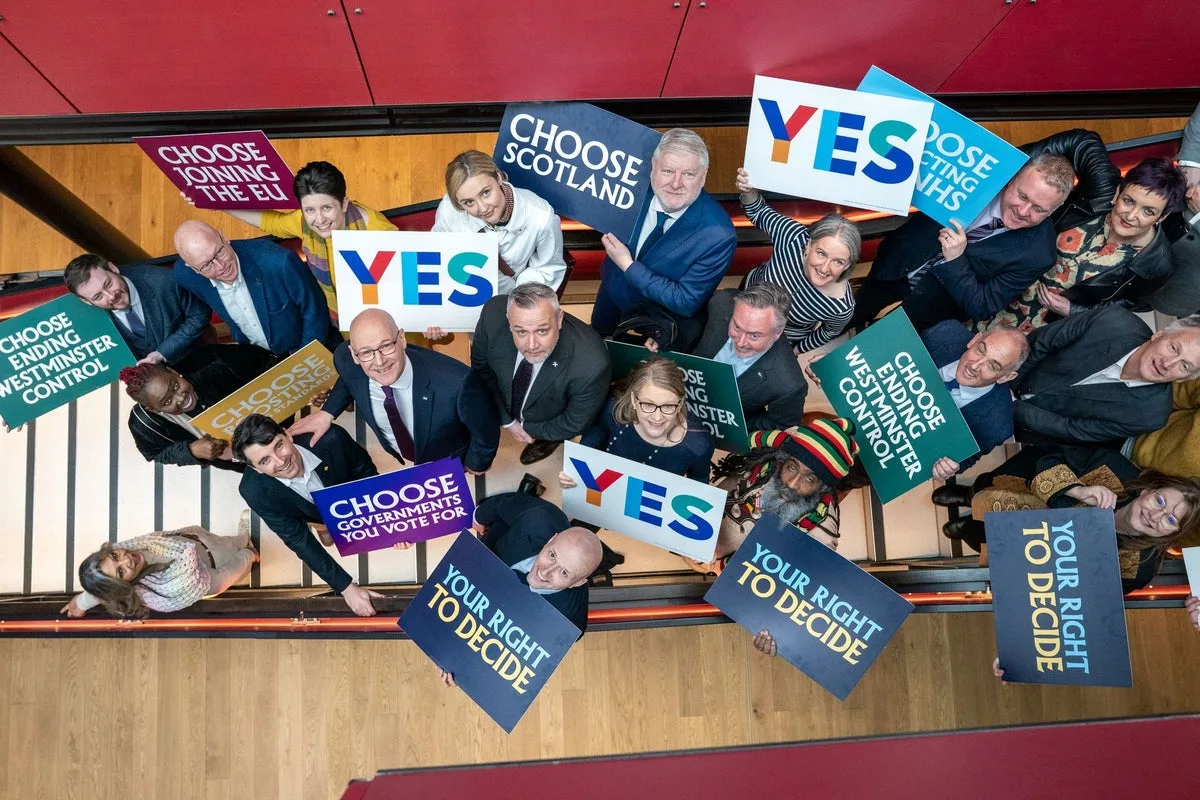
The 2026 election will not provide a substantial mandate for pursuing a second independence referendum. Compared to the 2014 referendum, which followed a stronger SNP performance and greater independence support, current conditions are less favourable. Swinney recognises that independence polling must exceed 60 percent to avoid another damaging defeat, a threshold unlikely to be met.

Opposition Parties Struggle for Relevance

Labour's prospects have deteriorated significantly despite earlier expectations of a Holyrood victory complementing their 2024 Westminster landslide. Scottish Labour leader Anas Sarwar faces contamination from UK Labour's troubles, despite his recent call for Keir Starmer's resignation. Sarwar has failed to develop a sufficiently distinctive agenda to boost his party's fortunes.

Reform UK has experienced a remarkable rise in Scotland, positioning itself as the most sceptical party regarding devolution, independence, and EU membership. Polling around 15 percent, Reform has cannibalised Conservative support while attracting some working-class Labour voters, particularly in Scotland's Central Belt. Immigration concerns and disillusionment with the Tories drive this growth.

Minor Parties Maintain Regional Strongholds

The Conservatives, led by Russell Findlay, continue to suffer from the legacy of Boris Johnson, Liz Truss, and Rishi Sunak's administrations, compounded by Brexit's ongoing effects in predominantly "Remain" Scotland. They should retain representation through established strongholds in the Borders and North East Scotland.

The Liberal Democrats, under Alex Cole-Hamilton, maintain approximately 10 percent support and will likely secure seats in Edinburgh and the Highlands and Islands. The Scottish Greens, with substantial proportional representation support, will also win seats but remain unlikely to join opposition efforts to unseat Swinney, given their previous coalition with the SNP.

An Impermanent Victory with Unresolved Questions

Despite appearing solid and decisive on the surface, the 2026 election result will feel temporary and incomplete. It cannot be interpreted as genuine approval of the SNP's governance record but rather as a grudging victory resulting from opposition fragmentation. The independence debate will remain unsettled, and Scotland's underlying desire for change will continue unfulfilled.

Pickt after-article banner — collaborative shopping lists app with family illustration

For the subsequent five years, power will once again be the SNP's to lose. The critical question remains: if not the SNP, then which party could realistically challenge their dominance in Scotland's fractured political landscape?