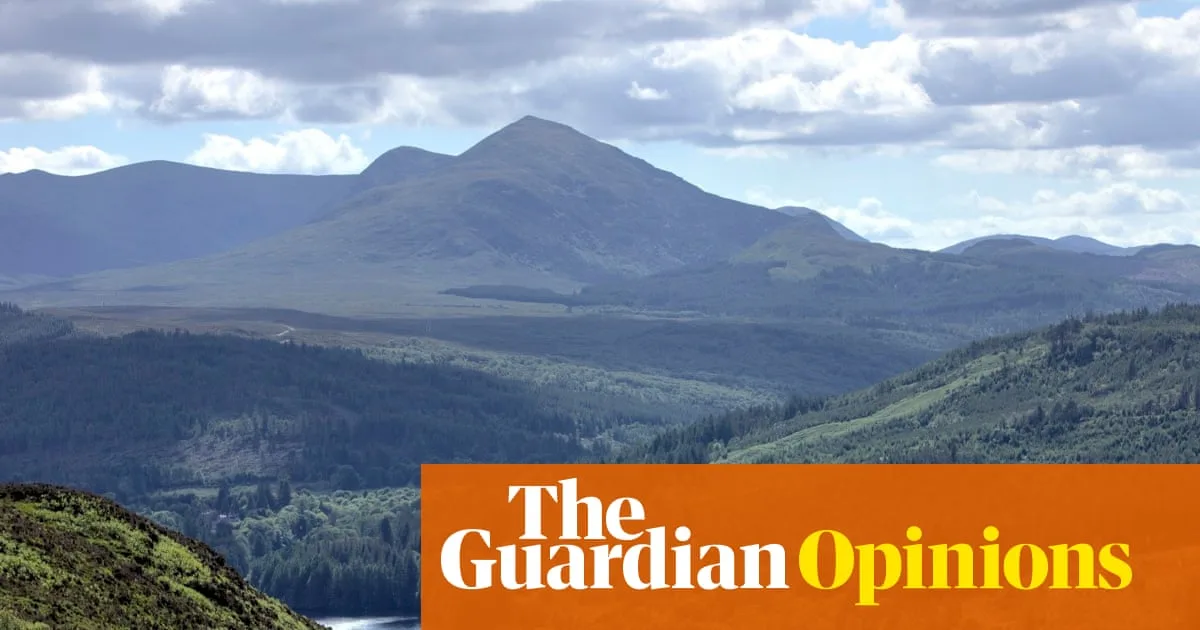
Half of Scotland's privately owned rural land is held by just 421 owners, a concentration of ownership unmatched in Europe, according to a new editorial in The Guardian. The roots of this disparity lie in the Highland clearances of the 18th and 19th centuries, which emptied glens for private takeover. Unlike in England and continental Europe, where inheritance and land taxes broke up great estates, Scotland remains feudal in scale.
The Scottish government's land reform bill aims to address this, but critics say it falls short. The bill introduces a 'transfer test' requiring notification of land sales over 1,000 hectares, but lacks an explicit veto. Supporters argue it allows community groups to prepare rival bids, but many estates are in sparsely populated areas where communities lack purchasing power. New 'lotting' rules could split large sales into smaller plots, but land reform expert Andy Wightman warns that existing landowners may simply buy back the lots.
Wightman, a former Green MSP, argues that Scotland's land should be regulated as a shared resource in the public interest, rather than left to a free market that privileges the wealthy. The Common Weal thinktank suggests a local land levy to make hoarding costly and fund community investment, similar to Scotland's tourist tax. They advocate emulating Nordic nations, where smart taxes ensure smaller rural holdings and sustainable land use.

Land reform became a flashpoint in the 2014 independence campaign, raising questions of power and sovereignty. However, the Scottish National Party recently voted down opposition attempts to cap land ownership, fearing it would scare off investment, particularly in forest land for carbon offsetting. The editorial argues that by refusing caps, Holyrood preserved the status quo, and questions whether Scotland's democracy has the courage to break the bond of concentrated land ownership.