Historic Welsh Chapel Saved by Community Fundraising Drive
The cherished Welsh valleys chapel where the iconic hymn Cwm Rhondda, also widely known as Bread of Heaven, was first performed has been successfully rescued through a determined community fundraising effort. Supporters raised an impressive £73,000 to secure the future of Capel Rhondda in Hopkinstown, near Pontypridd, ensuring it remains under local stewardship.
Community Ownership Secured
A dedicated community group has now taken full ownership of the former Baptist chapel after surpassing their fundraising target of over £70,000. This achievement marks a significant victory for grassroots activism in the region. Residents are optimistic that the Grade II-listed building can be preserved as a vibrant community space, potentially hosting choirs and Welsh-language cultural groups to honour its rich musical heritage.
Rhian Hopkins, a leading campaigner, expressed immense pride in the collective effort. "The purchase of Capel Rhondda demonstrates what is possible when people come together," she stated. "We are so incredibly proud of our community fundraising achievement and grateful for every donation received, from individuals and organisations near and far. Community ownership of the chapel is not just a powerful symbol, but ensures that the future of Capel Rhondda will be shaped by local voices."

Welsh Government Support and Future Plans
The Welsh government has contributed a £10,000 grant through its Perthyn fund, specifically designed to support community initiatives centred on the Welsh language. This funding will assist with essential surveys and initial repair work on the historic structure. Hopkins acknowledged the challenges ahead, noting the need for substantial additional funding and extensive restoration efforts. "We are committed to consulting with residents to create a welcoming space for all," she affirmed, highlighting plans for broad community engagement in the chapel's transformation.
Historical Significance and Cultural Impact
Capel Rhondda holds profound cultural significance as the birthplace of Cwm Rhondda, composed by John Hughes in 1907 to celebrate the installation of a new organ at the chapel. Despite its historical value, the building faced closure in December 2024 after years of declining congregations and was subsequently put up for sale by the Baptist Union of Wales. The fundraising campaign attracted donations from across Wales and beyond, with many contributors giving in honour of family members who had sung in the choir or simply out of love for the beloved hymn.
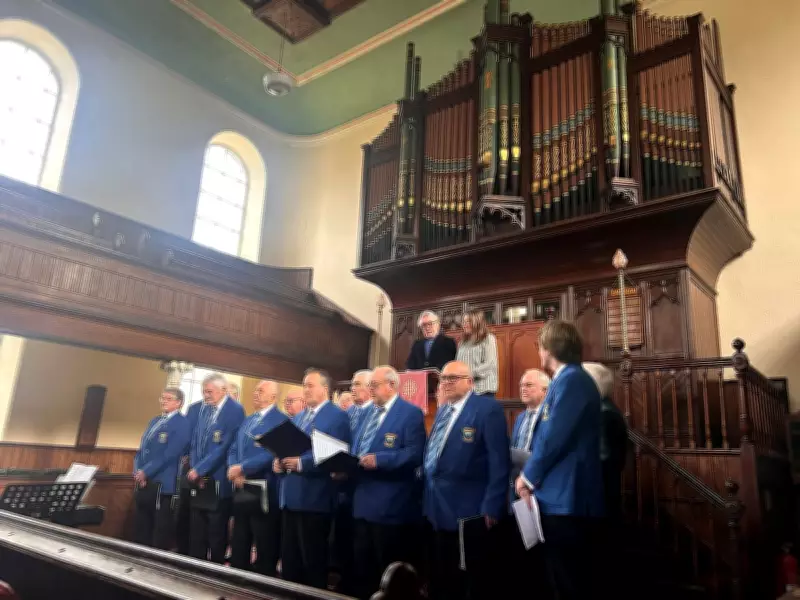
Mark Drakeford, the Welsh government's cabinet secretary for finance and Welsh language, visited the chapel to celebrate its purchase and was treated to a performance of Cwm Rhondda by members of the Pontypridd male voice choir. "It was an honour to visit Capel Rhondda so soon after the community received the keys and to celebrate what has been achieved," he remarked. "Hearing the choir perform the hymn in its birthplace was a moving experience."
Broader Context and National Relevance
This successful purchase coincides with the run-up to Wales's first home match of the 2026 Six Nations rugby tournament, where supporters at the national stadium are expected to sing Cwm Rhondda, underscoring its enduring role in Welsh national identity. Capel Rhondda is the first project in the south Wales valleys to benefit from the Perthyn grant, setting a precedent for similar community-led heritage preservation efforts.
According to the Bevan Foundation, a public policy thinktank, approximately a quarter of Wales's places of worship have closed over the past decade due to declining congregations. Many chapels have been converted into private homes, second homes, or holiday lets, making the community-led rescue of Capel Rhondda a notable exception and a beacon of hope for cultural preservation across the nation.