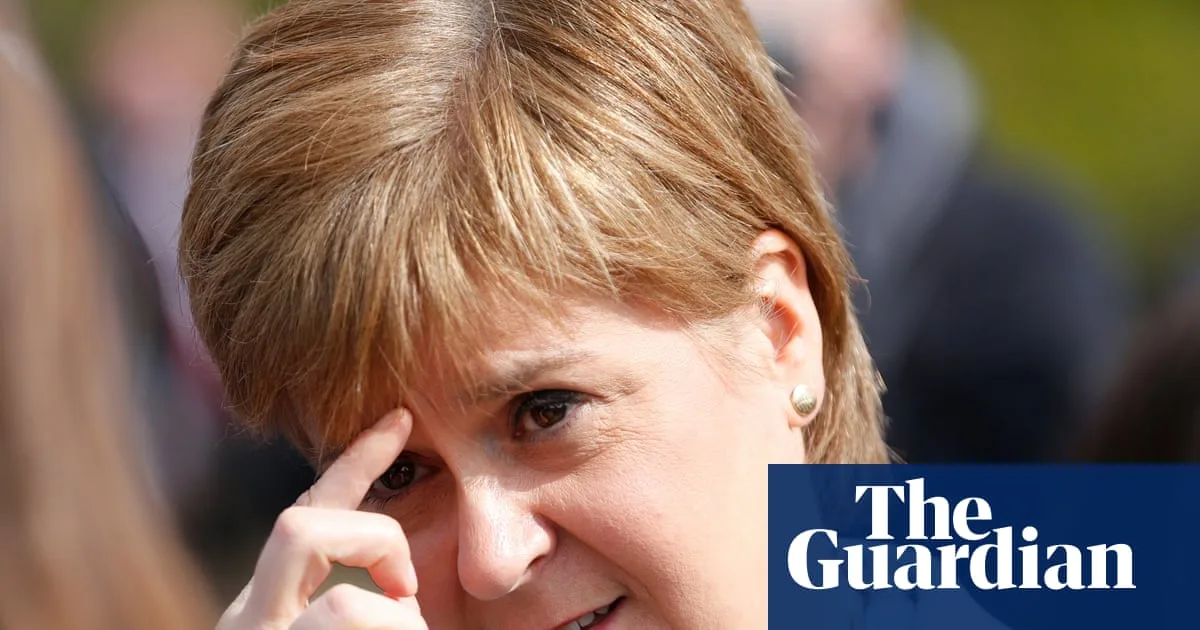
Nicola Sturgeon has been criticised by the UK Covid-19 Inquiry for excluding senior advisers from decision-making during the pandemic. The former Scottish first minister held informal 'gold command meetings' with a small circle, which reduced transparency and accountability, the inquiry found.
The report stated that the Scottish cabinet became 'a decision-ratifying body and not the ultimate decision-making body', depriving decision-makers of a wide range of views. It concluded that the cabinet should have been more involved to ensure greater transparency and accountability.
Sturgeon, who served as first minister from 2014 to 2023, defended her approach, saying her cabinet 'was fully involved in the decision-making' and that minutes showed it 'was not some kind of rubber stamp'.

The inquiry also criticised the UK government under Boris Johnson for a 'toxic and chaotic' culture and late decisions that cost lives. It found a serious failure by all four governments to appreciate the risk and calamity the UK faced.
In Wales, the inquiry said the Covid death rate was exacerbated by delayed restrictions, with a two-week 'firebreak' lockdown imposed 18 days after advice. Northern Ireland's response was described as 'deeply divided along political lines', with political disputes and the attendance of deputy first minister Michelle O'Neill at a republican funeral contributing to tensions.