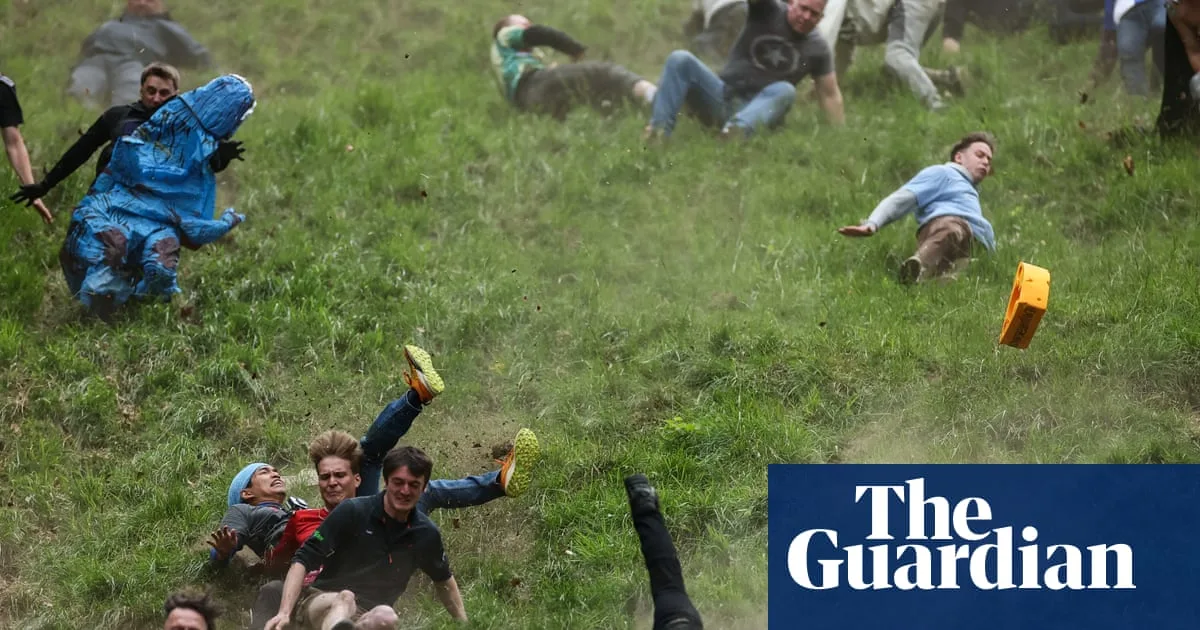
The UK is launching a nationwide effort to catalogue and protect its most cherished traditions, from the raucous cheese-rolling races of Gloucestershire to the vibrant beats of the Notting Hill Carnival. A new 'Living Heritage' register is now open for public submissions, inviting communities to nominate the customs, crafts, and celebrations that define their local and national identity.
What is the Living Heritage Register?
This comprehensive UK-wide inventory is a direct result of the government ratifying the UNESCO 2003 Convention for the Safeguarding of the Intangible Cultural Heritage last year. The initiative mandates the creation of a formal record of practices passed down through generations. Separate lists will be compiled for England, Wales, Scotland, and Northern Ireland, which will then combine into a single UK register.
Heritage Minister Baroness Fiona Twycross emphasised that the goal is to start a national conversation about the traditions communities value. "This isn’t just for the sake of having conversations, it’s about safeguarding them for future generations," she stated.
A Tapestry of Traditions Sought
The register aims to capture the full breadth of the UK's cultural tapestry. It will document everything from traditional crafts like tartan weaving and dry stone walling to popular annual events such as Pancake Day races and Burns Night suppers. Crucially, it also seeks to recognise and celebrate traditions introduced by immigrant communities, such as steel-drumming.
Submissions must come from the communities that practise them and can fall under seven broad categories:
- Oral expressions like poetry and storytelling
- Performing arts
- Social practices, rituals, and events
- Traditional crafts
- Sports and games
- Culinary practices
- Knowledge and practices concerning nature and the universe
This could see practices as diverse as bog-snorkelling in Wales, Ulster lace making, apple tree wassailing, or solstice celebrations at Stonehenge being formally recognised.
Cultural and Economic Value
Beyond preserving cultural identity, these living heritage traditions hold significant economic weight. Research from Historic England shows the heritage sector contributed over £15 billion to the economy in 2022. The Department for Culture, Media and Sport notes that crafts alone generate around £400 million annually. Major events like the Lewes Bonfire celebrations in East Sussex can draw tens of thousands of visitors, providing a substantial boost to local businesses.
Baroness Twycross highlighted the importance of an inclusive list that evolves with the nation. "We think our living heritage is constantly evolving and taking influence from all the different communities that make up the UK," she said. "Traditions brought by immigrant communities are also part of that."
The public nomination process is now live. Communities and groups are encouraged to put forward the traditions they wish to see preserved, ensuring the register reflects a truly national story. For more information on how to submit a nomination, visit the official website.




