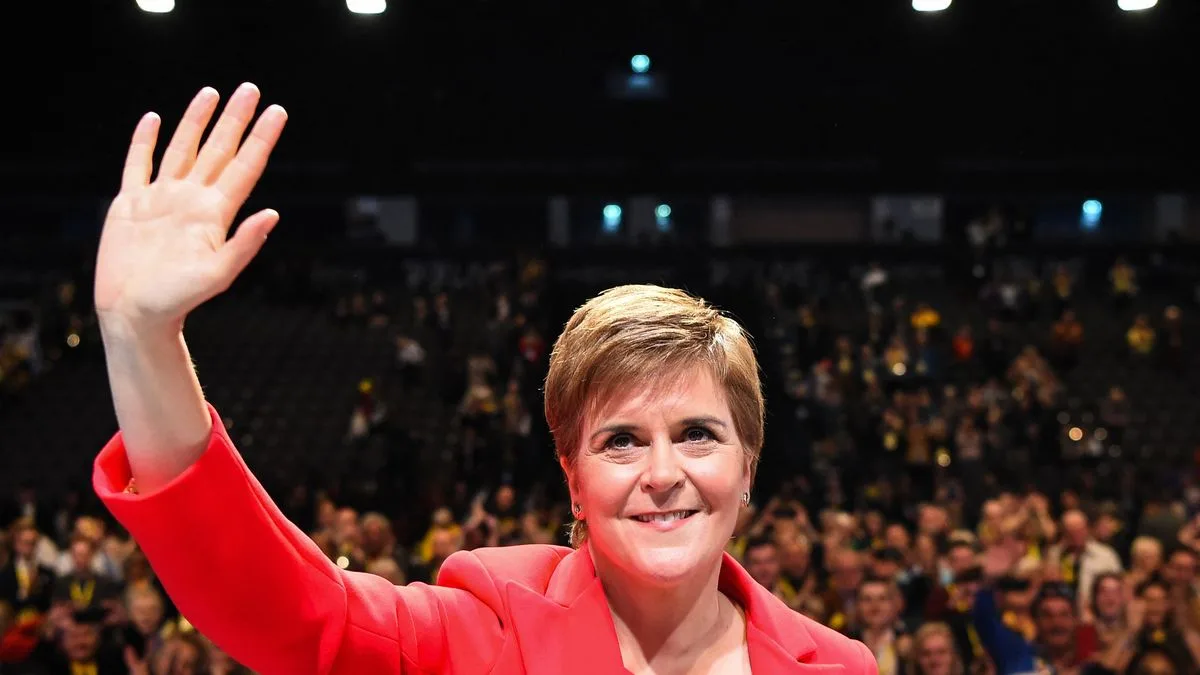
Nicola Sturgeon is embarking on a significant personal and professional reinvention following her departure from frontline politics, a journey that involves extensive travel and an ambitious attempt to write a novel. This new literary project is poised to build upon her memoir, but she signals it will also serve as a vehicle for settling scores with her political adversaries.
From Memoir to Political Thriller: A New Literary Venture
Her first book, the memoir titled Frankly, was a notably acerbic account that took direct aim at her former mentor, the late Alex Salmond. He had accused her of orchestrating a conspiracy against him – allegations she vehemently denies – an episode that fractured the Scottish National Party. The forthcoming novel, conceived as a political thriller, suggests Sturgeon is not ready to leave these conflicts behind. It offers another platform to reinterpret recent history and potentially exact fictional revenge.
Observers might draw a parallel with the fictional broadcaster Alan Partridge and his catchphrase about having the last laugh. As Sturgeon prepares to step down as an MSP ahead of May's election, this project indicates she does not intend a quiet retreat. Instead, she may become a persistent, critical voice for her successor, John Swinney.
The novel could feature characters inspired by former colleagues. John Swinney himself might appear as a consigliere figure, whose mild-mannered exterior as a chartered accountant belies a reputation as a ruthless political fixer and constitutional zealot. With the constraints of a backbench MSP role behind her, Sturgeon will have considerably more time to dedicate to this creative pursuit.
Taxpayer-Funded Transition and International Forays
The transition to her new life will be cushioned by significant public funds. Sturgeon is entitled to a taxpayer-funded resettlement grant of around £75,000, followed by a parliamentary pension of approximately £62,000 per year upon reaching retirement age. This financial backdrop contrasts sharply with the economic challenges in her Glasgow Southside constituency, where the economic inactivity rate was reported last year at nearly one in three.
Her recent activities, documented in the Scottish Parliament's register of interests, include international trips. She visited Iceland for the Reykjavik Global Forum, with flights costing £347 covered by the forum and £1,680 in accommodation paid by Arion Bank. Last month, while parliament was sitting, she attended an educators' conference in Aalborg, Denmark. The £1,394 flight and £152 accommodation costs were met by the Danish conference organisers.
Financially, Sturgeon's memoir Frankly earned her a £300,000 advance from her publisher. Furthermore, it emerged last August that she had taken a £20,000 dividend from her media company, Nicola Sturgeon Limited, bringing the total withdrawn in dividends since January last year to £30,000. These moves have sparked criticism, given her role in shaping Scotland's high-tax regime, the most punitive in the UK.
A Legacy of Policy Challenges and Political Fallout
As John Swinney assumes leadership, he inherits what many view as Sturgeon's complex legacy of policy shortcomings. Her flagship pledge to close the educational attainment gap was abandoned long ago. On drug deaths, she admitted her government took its "eye off the ball"; the latest figures show they are rising and remain the highest in Europe.
The issue that ultimately precipitated her political downfall was transgender policy. Her gender self-identification legislation derailed, severely damaging trust with a large section of voters. Even when discussing transgender rapist Isla Bryson, Sturgeon's wording was qualified, stating such an individual "probably forfeits the right" to their chosen gender.
Economically, Scotland is seen by critics as trapped in a high-tax "doom-loop", for which Sturgeon's administration is held responsible. While many in the SNP may wish for a dignified silence from their former leader as they campaign, the plan for a revelatory novel suggests she will not fade away quietly. As she rides into her new sunset, funded by the public purse, the nation continues to grapple with the aftermath of her tenure.




