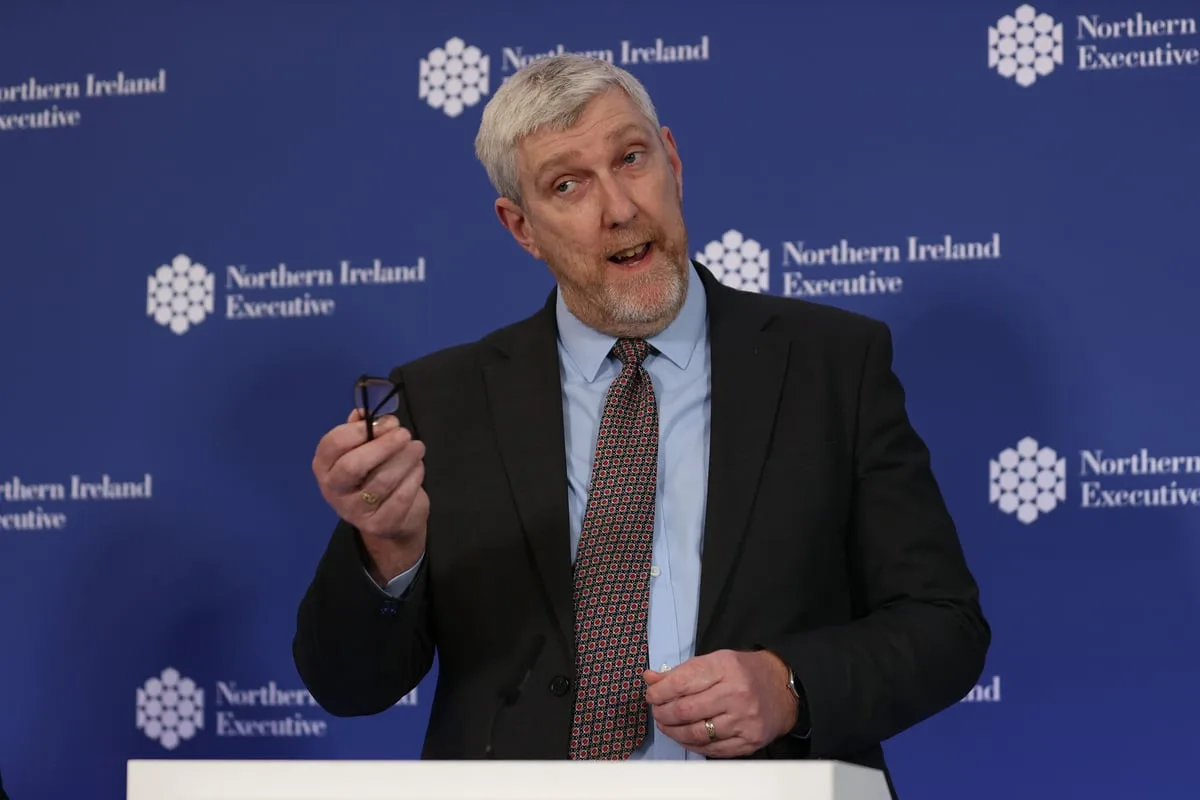
Northern Ireland's Finance Minister has pushed ahead with publishing a draft multi-year budget, despite a significant political impasse within the powersharing Executive at Stormont. Sinn Féin's John O'Dowd initiated an eight-week public consultation on the spending plan, even as the Democratic Unionist Party (DUP) immediately rejected his proposals as "deeply flawed" and in need of "significant changes".
Key Proposals and Major Allocations
The draft budget outlines a three-year plan for day-to-day resource spending and a four-year capital investment strategy. The most substantial allocation is for health, with £26 billion earmarked over three years. This includes nearly £500 million specifically targeted at tackling Northern Ireland's notorious hospital waiting lists.
Other significant commitments include £10 billion for education and full funding for a plan to increase police officer numbers. The budget also covers the compensation bill for officers affected by the major 2023 PSNI data breach. On infrastructure, over £1 billion is allocated across four years for the stalled A5 road upgrade, and more than £100 million is proposed for the long-delayed redevelopment of Belfast's Casement Park GAA stadium.
Further allocations include £442 million for social housing, £434 million for water and wastewater systems, and £24 million for special educational needs building projects. To raise additional revenue, the plan proposes a 5% annual rise in the domestic regional rate and a 3% increase for non-domestic rates over three years, generating an extra £250 million.
A Challenging Financial Landscape and Political Division
The financial context is tight, with the 2026/27 financial year set to be particularly challenging. Departments are facing a minimal overall funding increase of just 0.8%, which does not account for a potential overspend in the current year. Minister O'Dowd has recently warned that departments are collectively overcommitted by almost £400 million, which would be deducted from next year's allocation if realised.
Under the current draft, only four departments—Health, Education, Justice, and Infrastructure—would receive a funding uplift next year. The Departments of Agriculture, Environment and Rural Affairs (Daera) and Finance would see their baselines drop.
The political reaction was swift and critical. DUP Education Minister Paul Givan stated the proposals were "fundamentally flawed", arguing they failed to adequately fund special educational needs and childcare. He asserted the plan lacked credibility as it was "Sinn Féin’s budget" and not an Executive-agreed document.
Calls for Cooperation and Alternative Plans
In response to the criticism, Finance Minister O'Dowd urged his Executive colleagues to engage constructively and "keep their eyes on the prize" of securing a multi-year budget—something Stormont has not achieved in over a decade. He challenged other parties to present their own alternatives, stating he was "in listening mode."
O'Dowd defended his decision to launch consultation, citing a statutory obligation, and expressed confidence that an agreement could ultimately be reached around the Executive table. "Solo runs aren’t going to resolve any of the issues," he said, emphasising the need for collective, partnership working.
Opposition voices were also raised. SDLP MLA Matthew O'Toole, leader of Stormont's official opposition, branded the draft an "unambitious ghost budget, bereft of vision," accusing the Executive of attempting to "hoodwink the public."
The public consultation will run for eight weeks, with the final deadline for the Executive to agree on a budget set for 1st April 2026.




