

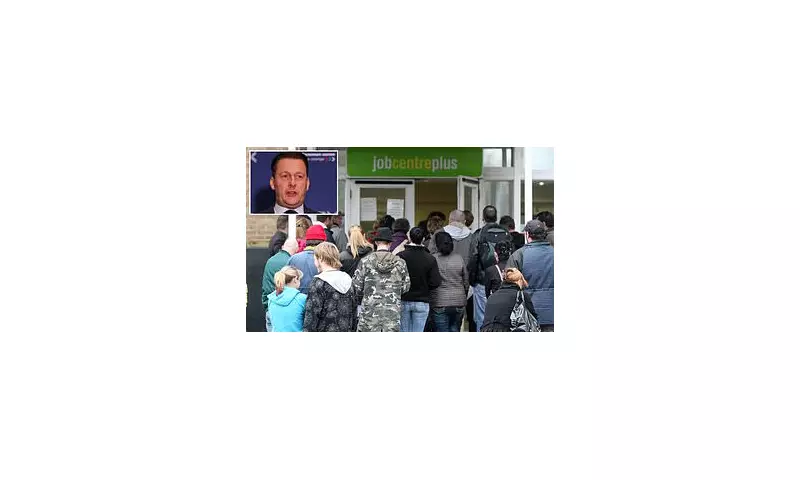
The leader of the Scottish Conservatives has issued a stark warning, branding Scotland's devolved welfare system a 'fraudster's charter' due to what he calls an overly trusting approach to benefit claims.
'Light Touch' Approach Fuels Soaring Costs
Russell Findlay criticised the Scottish Government's methods, arguing that claims are being taken at 'face value'. He stated this 'light touch' policy is directly contributing to 'out of control' public spending. The annual benefits bill is projected to reach £10 billion within this decade, placing a significant strain on Scotland's finances.
Findlay confirmed his party is conducting a comprehensive review of all social security costs. The Tories plan to present specific proposals for spending reductions ahead of the next Holyrood election. He argued that hard-pressed workers and businesses are unfairly bearing the brunt of this escalating expenditure.

Disability Payment Drives Budget Surge
A major driver of the rising costs is the Adult Disability Payment (ADP). This benefit, designed to assist those with disabilities or long-term health conditions, is not means-tested and can be worth up to £110.40 per week. ADP currently accounts for £3.6 billion of this year's total £6.9 billion benefits bill.
Forecasts indicate a steep rise, with ADP spending expected to hit £5.4 billion by 2030 as part of an overall benefits budget of £9.4 billion. The number of Scots receiving the payment is predicted to jump from 529,000 this year to 703,000 by the end of the decade.
Auditor Warns on Value for Money
These concerns were partly echoed by Scotland's Auditor General, Stephen Boyle. In a November report to MSPs, he noted that Social Security Scotland, the agency delivering devolved benefits, appeared more focused on 'client experiences' than on ensuring value for taxpayers' money.
Boyle suggested it was difficult to determine if prudent use of public funds was 'intrinsic' to how ADP, its largest benefit, was managed. The Scottish Government has emphasised that its approach prioritises 'dignity, fairness and respect' through a 'less burdensome' application process aimed at maximising take-up by those in need.
Tax Cuts and Business Rates on the Agenda
Findlay linked the need for welfare reform to broader fiscal policy, suggesting that slashing social security spending could help fund lower taxes. He highlighted that one in every seven pounds of government expenditure is now on social security, a level he insists Scotland 'cannot afford'.
The criticism was launched ahead of two Conservative-led debates in the Scottish Parliament. The first focuses on cutting income tax bills by raising thresholds in line with inflation, a move Tory finance spokesman Liz Smith said would 'ease the pain' on workers. The second debate will call for an immediate halt to a business rates revaluation that has led to massive proposed hikes for some firms, which Murdo Fraser MSP warned could 'sound the death knell for businesses'.
Government Defends System and Highlights Safeguards
In response, Social Security Secretary Shirley-Anne Somerville defended the system, stating that withdrawing support during a cost-of-living crisis 'would be a disaster'. The Scottish Government also pointed to anti-fraud measures within Social Security Scotland, which identified and corrected over £9 million in overpayments last year and prevented nearly £3 million in further losses.
The political battle over Scotland's welfare spending and taxation is now set to be a central issue in the run-up to the next Holyrood election, with profound implications for public services, taxpayers, and benefit claimants.






