
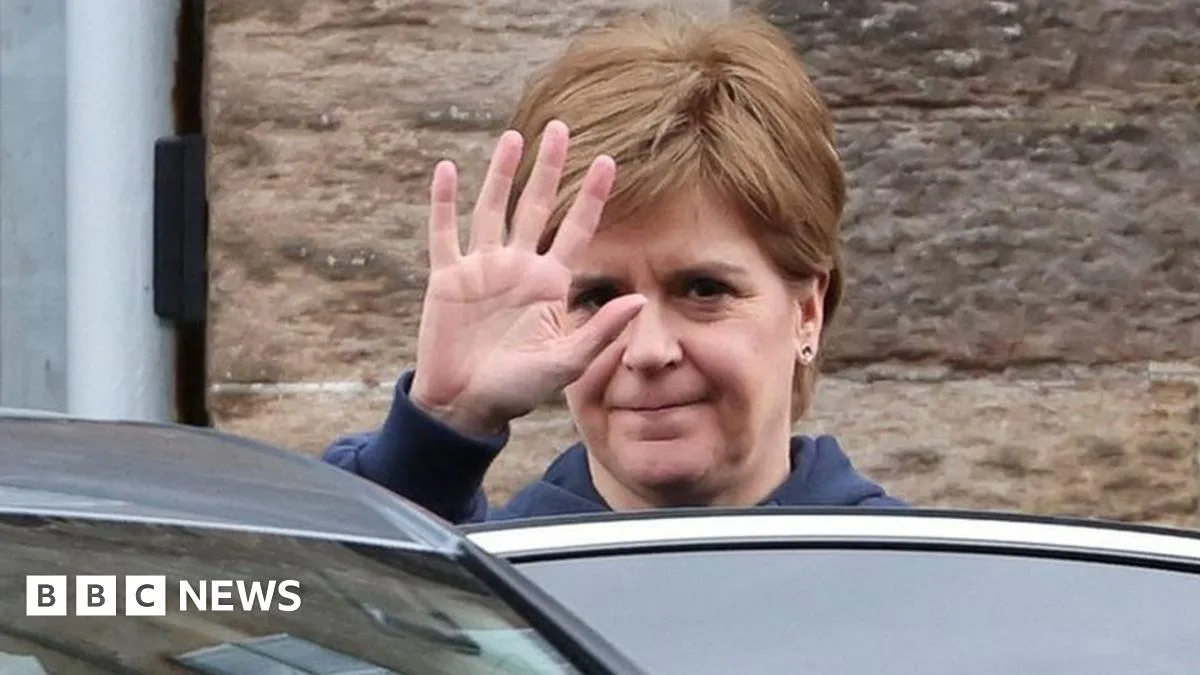
Nicola Sturgeon has announced her resignation as Scotland's first minister after more than eight years in office. The Scottish National Party leader stated she knew "in my head and in my heart" that now was the right time to step down, though she will remain in post until a successor is elected.
Sturgeon, the longest-serving first minister and the first woman to hold the role, insisted her decision was not a response to recent controversies over gender reforms, trans prisoners, or the independence strategy. She acknowledged "choppy waters" but said her resignation came from "a deeper and longer-term assessment."
The first minister said she had been struggling with conflicting emotions since around the turn of the year, and that the intensity and "brutality" of political life had taken a toll. She described leading Scotland through the Covid pandemic as "by far the toughest thing I've done."
Sturgeon emphasized that support for independence needed to be "solidified" and grow further, adding that achieving this required reaching across the political divide, which she judged needed a new leader. Nominations for her successor have opened, with potential candidates including John Swinney, Kate Forbes, and Angus Robertson.
Scottish Labour leader Anas Sarwar paid tribute to Sturgeon's achievements, particularly during the pandemic, while noting the significant pressure she faced in recent weeks. The resignation marks a pivotal moment for Scottish politics and the independence movement.




