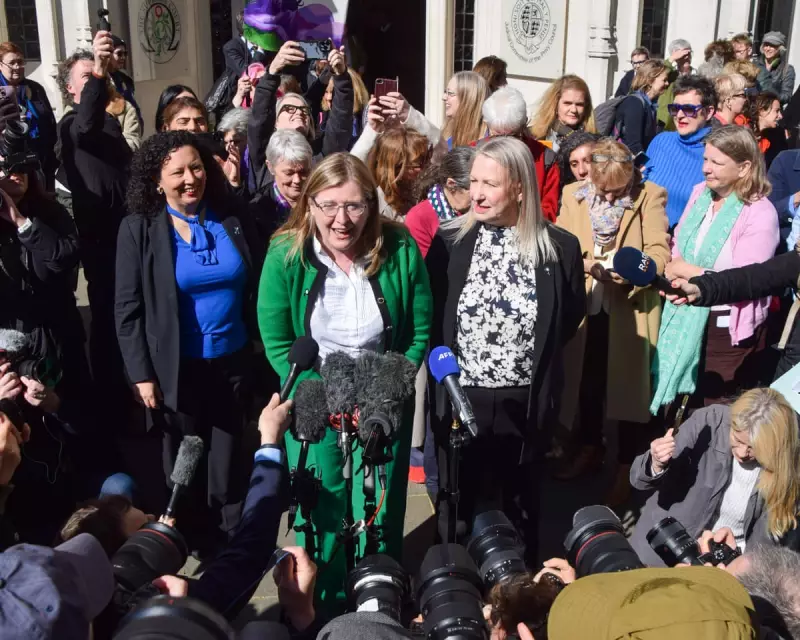
The Scottish government has announced plans to launch a legal challenge against the UK Supreme Court's ruling that blocked its proposed reforms to gender recognition laws. The move marks a significant escalation in the ongoing constitutional clash between Edinburgh and Westminster.
Constitutional Crisis Deepens
This legal action comes after the Supreme Court ruled that Scotland's Gender Recognition Reform Bill - which sought to simplify the process for transgender people to change their legal gender - encroached on matters reserved for the UK Parliament. The Scottish government argues that the court overstepped its authority in blocking the legislation.
Key Points of Contention
- The Scottish bill proposed lowering the minimum age for gender recognition from 18 to 16
- It would have removed the requirement for medical diagnosis of gender dysphoria
- Westminster blocked the legislation using Section 35 of the Scotland Act for the first time
- The Scottish government claims this represents an unacceptable overreach
Political Fallout
The legal challenge is expected to further strain relations between the Scottish National Party-led government and the UK Conservative administration. Political analysts suggest this could become a landmark case in the debate over devolved powers versus Westminster authority.

"This isn't just about gender recognition," said one constitutional expert. "It's about testing the boundaries of devolution and whether the UK government can routinely override Scottish legislation."
What Happens Next?
The case is expected to be heard in the coming months, with potential implications for:
- The future of gender recognition laws across the UK
- The balance of power between devolved administrations and Westminster
- Constitutional reform debates
Both sides are preparing for what could be a protracted legal battle with significant political consequences, regardless of the outcome.