Romanian Language Excluded from GCSEs Despite Being UK's Second Most Spoken Foreign Tongue
Romanian Excluded from GCSEs as UK's Second Most Spoken Foreign Language

Romanian Language Overlooked in UK GCSE System Despite Growing Diaspora

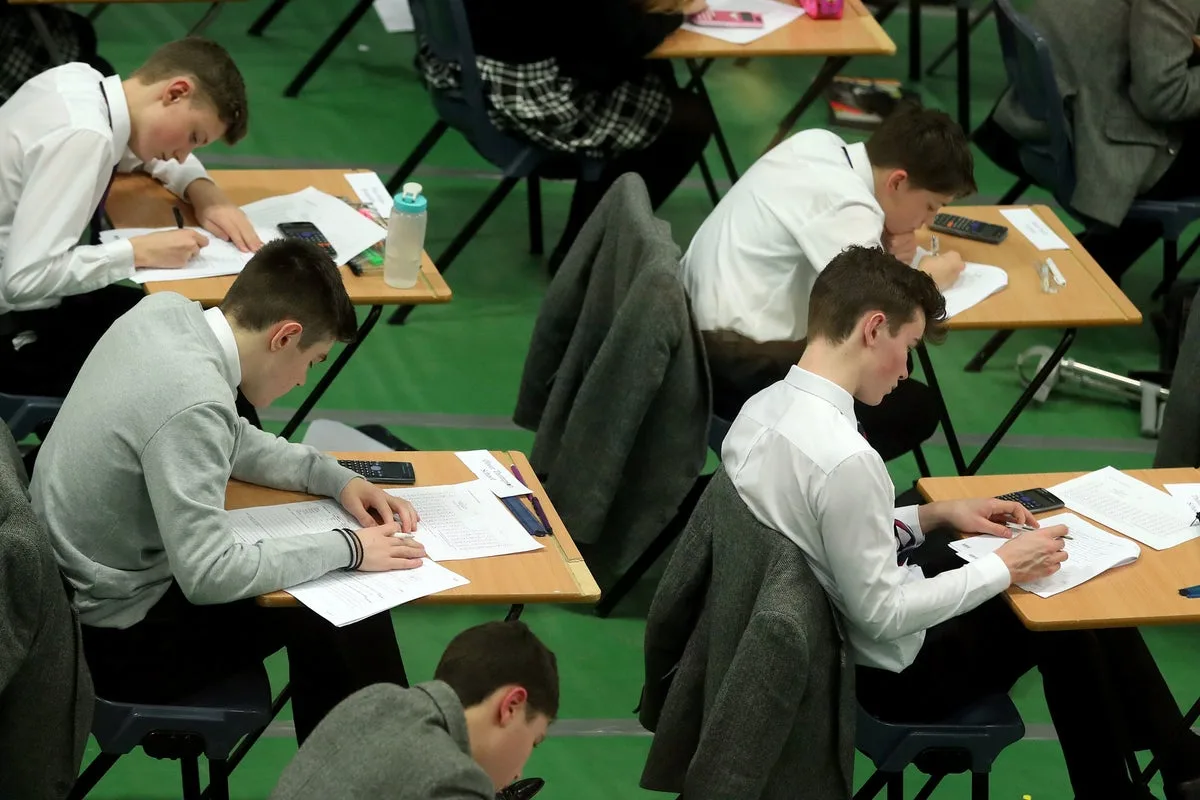
Romanian has emerged as the second most spoken foreign language in the United Kingdom, yet it remains conspicuously absent from the General Certificate of Secondary Education (GCSE) curriculum. This oversight affects a community that now numbers over one million individuals, with significant populations in areas such as Harrow, Enfield, and Stratford. Despite pupils having the opportunity to sit GCSEs in languages ranging from Urdu to Portuguese and Biblical Hebrew, Romanian students are denied the chance to formally demonstrate proficiency in their mother tongue.

The Silent Struggle of a Growing Community

The Romanian diaspora in the UK has expanded rapidly since transitional restrictions were lifted in 2014, yet its presence often goes unnoticed. Unlike the Polish community, which has established a visible network of shops and associations dating back to the Second World War, Romanians have historically been more reserved, partly due to negative media portrayals during the Brexit era. This has led to a situation where many feel pressured to conceal their identity, exacerbating the lack of recognition for their language and culture.

Ana-Erika Tudor, a 16-year-old professional dancer from Northampton, exemplifies this issue. She is fluent in Romanian but cannot take a GCSE in it, unlike her peers who study languages such as Polish or Italian. "It is part of my identity," she states, highlighting how the absence of accreditation undermines the value placed on her heritage. Her story is not unique; many Romanian children are at risk of losing their linguistic roots, as the education system fails to validate their native tongue.

Wide Pickt banner — collaborative shopping lists app for Telegram, phone mockup with grocery list

Systemic Barriers and Educational Neglect

The Department for Education has cited efforts to "strengthen the primary language curriculum", but this does little to address the specific needs of Romanian speakers. Exam boards, such as AQA, require a guaranteed entry of around 5,000 students before considering a new GCSE subject, creating a catch-22 situation for a language that lacks existing formal assessment. This bureaucratic hurdle persists even as languages like British Sign Language and Ukrainian have received government approval but still await implementation.

Dr. Catherine Ames, head of Modern Languages at London's Grey Coat Hospital School, notes that the lack of GCSE accreditation can lead students to feel their language is unimportant, prompting them to abandon it. "The availability of an exam confers all-important status and value," she explains, underscoring how this omission contributes to cultural marginalisation.

Campaign Efforts and Political Advocacy

In response, a grassroots campaign has gained momentum, with hundreds of Romanians emailing their MPs and organising events like the upcoming gathering at Westminster on 27 April 2026. Gareth Thomas MP and the Romanian Embassy are supporting these efforts, aiming to pressure policymakers and exam boards to recognise Romanian as a legitimate GCSE subject. However, progress remains slow, with exam boards often described as moving at a "glacial pace".

The impact extends beyond education; without formal recognition, Romanian children may lose the cognitive and economic benefits of bilingualism, and communities risk further erosion of their cultural heritage. As the campaign continues, it highlights a broader issue of how the UK's exam system can fail to adapt to its evolving demographic landscape, leaving one of its largest migrant groups without a voice in the classroom.

Pickt after-article banner — collaborative shopping lists app with family illustration




