Government Faces Accusations of Generating £679 Million 'Surplus' from Graduate Loans
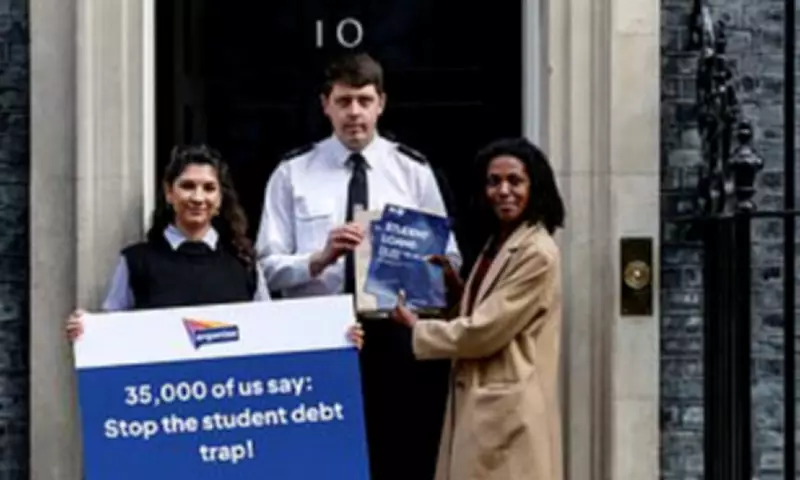
Ministers have been strongly accused of creating a substantial £679 million 'surplus' from graduates through recent modifications to Plan 2 student loans. The National Union of Students (NUS) has declared that successive governments have made a 'calculated choice' to generate what they describe as a 'profit' from the latest student cohort.
Report Reveals Treasury Revenue from Student Borrowers
The revelation emerges from a comprehensive report commissioned jointly by the NUS and the Higher Education Policy Institute (Hepi) think tank. The research demonstrates that students who began undergraduate degrees in the 2022/23 academic year – representing the final group under Plan 2 arrangements – will actually generate revenue for the Treasury rather than representing a financial drain.
This financial shift results partly from controversial adjustments to loan terms introduced by the Labour government last year, combined with earlier changes implemented in 2022 under the previous Conservative administration. The situation has developed amid increasing pressure on Prime Minister Keir Starmer to make Plan 2 terms less burdensome, as graduates report their interest accumulating more rapidly than they can manage repayments.

Student Leaders Condemn Government Profit Motive
NUS president Amira Campbell delivered a powerful statement regarding the findings: 'Successive governments have made a calculated choice – to profit off young people who were told university was the best option. Quite simply the Government should not be profiting from our debt.'
Campbell continued with a warning to political leaders: 'These past few months, we've seen a reckoning that young people will not stand by while politicians play with our debt and change the terms of a loan we signed before we could vote.'
Financial Impact of Loan Term Changes
The research, conducted by economic consultancy London Economics, discovered that for students starting in 2022/23, modifications to terms since 2022 will save the Treasury more than £5 billion compared to the previous system. This substantial saving includes Labour's decision last year to freeze for three years the salary threshold at which repayments commence, maintaining it at £29,385 instead of allowing it to increase with inflation.
This threshold freeze means more graduates will begin making repayments earlier, generating an additional £1.3 billion for the Treasury. This followed a previous freeze on the threshold introduced in 2022, which generated an extra £4.6 billion. Collectively, all these changes mean graduates from the 2022/23 entry cohort earning £40,000 or above will repay £740 more in 2032 than under previous terms.
Long-Term Financial Consequences for Graduates
Over their working lifetimes, male graduates will pay on average an extra £13,400 compared to the original loan terms, while female graduates will pay an additional £16,900. Plan 2 loans – which were taken out between 2012 and 2023 – charge interest of RPI plus up to 3 percent, depending on graduate earnings, creating a current maximum rate of 6.2 percent.
Graduates repay 9 percent of everything they earn over the salary threshold, with all outstanding balances cancelled after 30 years. The NUS and Hepi have proposed an alternative system that would reduce repayments to between three and seven percent of earnings, depending on income levels. They argue this alternative approach would be 'close to cost-neutral for the Government.'
Government Response and Recent Adjustments
A Government spokesman responded to the accusations by stating: 'We inherited the student loans system, including Plan 2, which was devised by the previous government. This Government has increased the repayment threshold for Plan 2 loans twice in the past two years – the first increases since 2021 – and we heavily subsidise the student finance system, a deliberate investment in our young people and the economy.'

The Government has recently announced that interest on Plan 2 loans will be capped at 6 percent from September, a measure intended to protect graduates from rising inflation during international conflicts. This cap represents a modest reduction from the current maximum rate but maintains the fundamental structure that critics argue generates substantial revenue for the Treasury at graduates' expense.