Ukraine's Sovereignty at Stake in Trump's Peace Proposal
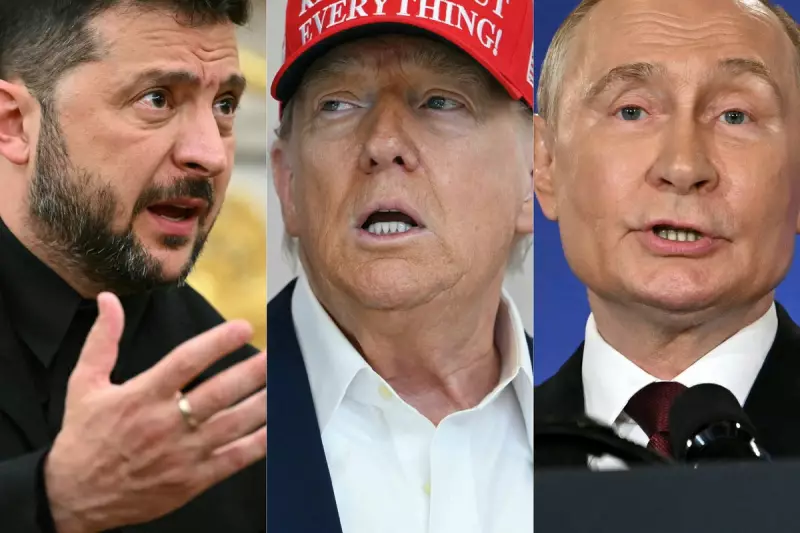
Ukrainian President Volodymyr Zelensky has described the current situation as one of the most difficult moments in Ukraine's history, following a phone conversation with US Vice President JD Vance. The Ukrainian leader faces an unprecedented dilemma as Washington has issued an ultimatum requiring Kyiv to sign the framework of President Donald Trump's peace deal by next Thursday or risk having its weapons supply cut.
The 28-Point Plan: Concessions and Controversy
The proposed US peace plan, consisting of 28 points, endorses several of Russia's principal demands in the nearly four-year conflict. The agreement would require Kyiv to cede territory to Russia, reduce its military size, and abandon its ambition to join NATO. These conditions have raised significant concerns among Ukraine's European allies and US lawmakers.
President Zelensky addressed the nation in a video speech on Friday, stating that Ukraine may now face a very difficult choice, either losing its dignity or the risk of losing a key partner. While not rejecting the plan outright, the Ukrainian president promised to propose alternatives and work calmly with Washington and other partners.

International Reactions and Concerns
Russian President Vladimir Putin cautiously welcomed the proposal, stating it could form the basis of a final peace settlement. However, he accused Ukraine of opposing the plan and maintaining unrealistic expectations about achieving victory on the battlefield.
The plan has met with substantial scepticism in the US Senate. Senator Roger Wicker, Republican chair of the Senate Armed Services Committee, expressed serious reservations, stating: This so-called 'peace plan' has real problems, and I am highly sceptical it will achieve peace. Ukraine should not be forced to give up its lands to one of the world's most flagrant war criminals in Vladimir Putin.
European leaders have emphasised their commitment to Ukraine's sovereignty while carefully navigating the diplomatic landscape. EU foreign policy chief Kaja Kallas declared that Russia's war against Ukraine represents an existential threat to Europe, adding that Russia has no legal right whatsoever to any concessions from the country it invaded.
Meanwhile, European Council President Antonio Costa revealed that the European Union has not been officially communicated any plans, indicating potential coordination issues between Washington and its European allies.
Diplomatic Maneuvering and Next Steps
President Trump, in a radio interview, pushed back against concerns that the settlement would embolden Putin, arguing that the Russian leader is thinking punishment rather than additional military campaigns. The US president set a Thursday deadline for Ukraine's response but suggested flexibility if progress is being made.
Zelensky spoke with the leaders of Germany, France, and the United Kingdom, who assured him of their continued support. The four leaders welcomed American peace efforts while emphasising that the line of contact must be the departure point for any agreement and that Ukrainian armed forces must remain capable of defending the country's sovereignty.
As technical talks continue between US and Ukrainian officials in Kyiv, the world watches to see how Ukraine will navigate what President Zelensky has characterised as a pivotal moment in the nation's history, balancing the preservation of its sovereignty against the practical realities of international support and military capability.