US War Secretary Pete Hegseth has made a historically inaccurate claim during the escalating Middle East conflict, asserting that America's torpedoing of an Iranian warship represents the first such naval attack since World War II. This statement directly contradicts the well-documented sinking of the Argentine warship General Belgrano by British forces during the 1982 Falklands War.
White House Press Conference Revelation
During a press briefing at the White House, Hegseth confirmed that an American submarine had targeted and sunk an Iranian warship in the Indian Ocean earlier today. The attack resulted in at least 80 fatalities, with Sri Lankan authorities managing to rescue 32 individuals from the vessel. Initial reports suggested approximately 140 people remained missing following the military action.
The War Secretary, whose position was renamed from Secretary of Defense under former President Donald Trump's administration, specifically declared this event as "the first sinking of an enemy ship by a torpedo since World War 2." This assertion has been immediately challenged by historical records of twentieth-century naval warfare.
Historical Precedents Contradict Claim
The most prominent counterexample occurred during the Falklands War in May 1982, when Britain's HMS Conqueror submarine fired two torpedoes at the General Belgrano. This attack resulted in the deaths of 323 Argentine sailors and generated significant controversy that persists decades later. Critics have long argued that the vessel was sailing away from Britain's declared 200-mile exclusion zone around the Falkland Islands when it was targeted.
Furthermore, another post-World War II torpedo sinking occurred in December 1971 during conflicts between India and Pakistan. The Indian frigate INS Khukri was destroyed by torpedoes launched from the Pakistani submarine PNS Hangor, providing additional evidence contradicting Hegseth's historical claim.
Escalating Middle East Conflict
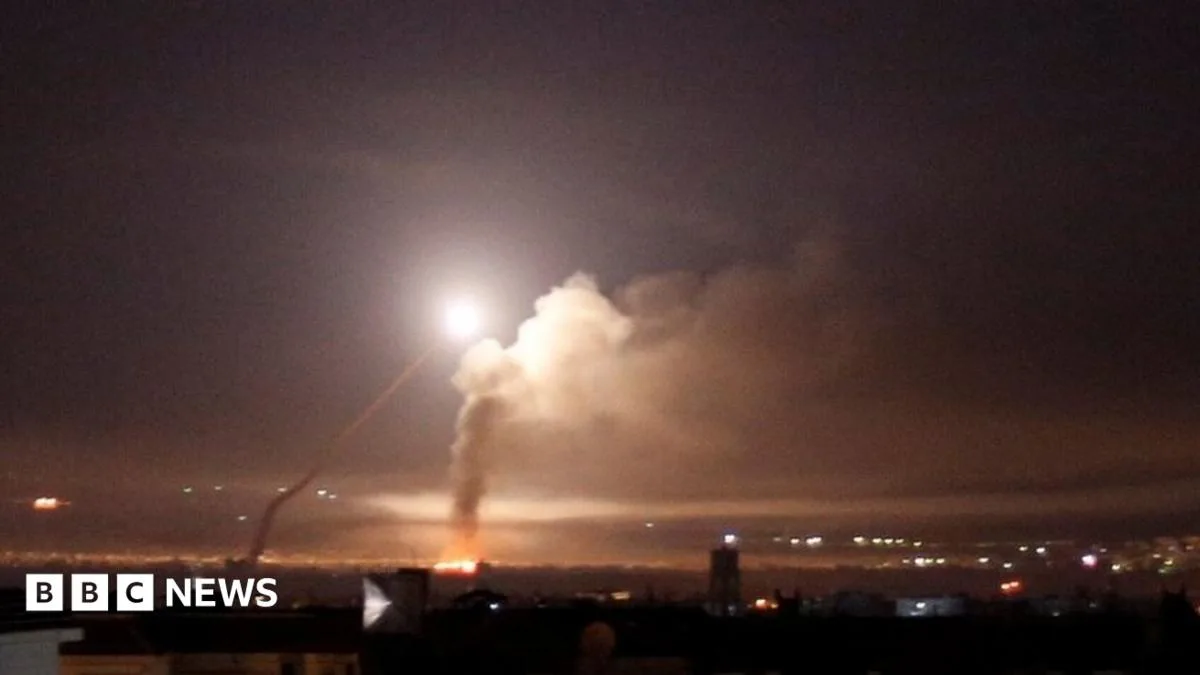
This naval engagement occurs on the fifth day of intensified hostilities in the Middle East, following coordinated airstrikes by the United States and Israel against Iranian targets last Saturday. In retaliation, Iran has launched missile attacks against multiple countries throughout the region, including Bahrain, Kuwait, and Israel.
Washington and Israel have significantly intensified their bombardment of Iranian security forces and symbolic power structures today. Tehran has responded with threats to completely destroy the Middle East's military and economic infrastructure, while also being accused of firing a ballistic missile into Turkish airspace that was intercepted by NATO defense systems.
Hegseth's Detailed Account
Speaking at an earlier press conference, Hegseth provided specific details about the naval engagement. "In the Indian Ocean - an American submarine sunk an Iranian warship, that thought it was safe in international waters," he stated. "Instead, it was sunk by a torpedo - Quiet Death. The first sinking of an enemy ship by a torpedo since World War 2. Like in that war - back when we were still the War Department - we are fighting to win."
The US government released footage on Wednesday showing the Iranian warship sinking, providing visual confirmation of the military action.
Regional and Global Consequences
The conflict has already resulted in devastating human casualties, with Iranian officials reporting more than 1,000 fatalities in their country and Lebanon's health ministry confirming approximately 50 deaths. Eleven people have been killed in Israel, along with six US military personnel.
Global economic impacts are becoming increasingly severe, with the conflict disrupting world oil and gas supplies, creating significant shipping complications, and stranding hundreds of thousands of travelers throughout the Middle East. Oil prices have soared dramatically following Iranian attacks on shipping traffic through the strategically vital Strait of Hormuz, where approximately one-fifth of global oil shipments pass daily.
Military and Political Developments
Israeli military operations have specifically targeted buildings associated with Iran's Basij paramilitary force and internal security command, both of which have been involved in suppressing domestic protests. The United States and Israel have explicitly stated their objective of encouraging the Iranian public to overthrow the country's theocratic government.
Iranian state television has begun referring to the conflict as the "Ramadan war," referencing the current Muslim holy month while simultaneously suggesting preparations for a prolonged military engagement. Admiral Brad Cooper, the top US military commander in the Middle East, reinforced this perspective by stating, "We've just begun."
Leadership Transition and International Response
The conflict has created a leadership crisis in Iran following the death of Supreme Leader Ayatollah Ali Khamenei, who ruled for 37 years before being killed on Saturday. The mourning ceremony for Khamenei has been postponed due to the intensity of current attacks, with potential successors ranging from hard-line confrontationalists to reformist diplomats.
Israel's Defense Minister has issued stark warnings regarding Iran's leadership transition, stating that any new supreme leader continuing policies threatening Israel and regional stability "will be a target for elimination."
Meanwhile, the United Kingdom has maintained a largely non-combatant role in the current conflict, though Prime Minister Sir Keir Starmer has confirmed that British military bases will be made available to US forces for launching strikes against Iranian missile sites.
This historical oversight regarding torpedo attacks comes amid broader tensions between US and British military narratives, following previous criticisms from President Trump regarding NATO troop deployments in Afghanistan. The current conflict continues to evolve with unpredictable consequences for regional stability and international relations.




