
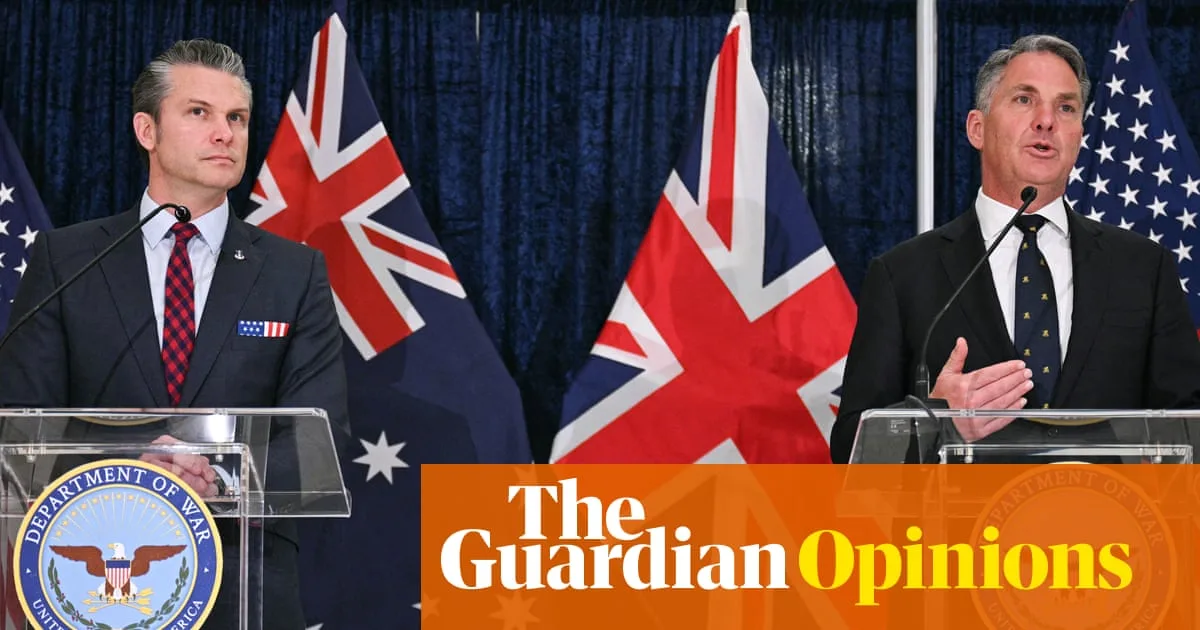
The United States has been accused of violating international law after seizing Venezuelan President Nicolás Maduro and his wife in an operation that involved airstrikes in Caracas. According to the UN Charter, all member states must refrain from the use of force against the territorial integrity or political independence of any state. Legal experts have described the US action as an act of aggression.
The Australian government has so far given a muted response to the events, despite its strong condemnation of Russian aggression in Ukraine. The Trump administration has indicated it intends to run Venezuela and control its oil reserves, raising questions about how this could be achieved without military occupation.
Analysts warn that the US may become more assertive in the Indo-Pacific region during the remainder of Donald Trump's presidency. This could have significant implications for Australia, which is bound by the Anzus and Aukus treaties. If US military action in the region were to be challenged, Australia might be required to consider its treaty obligations.
The increasing willingness of the Trump administration to use military force is evident in recent airstrikes against Iran, Islamic State in Nigeria, and drug trafficking vessels in the Pacific and Caribbean. While such assertive defence conduct has not yet spread to the Indo-Pacific, there is no reason to assume it will not.
Australia must now ask whether the US is committed to the rules-based international legal order that Canberra values. The UN Charter framework has enjoyed bipartisan support in Australia, but the Trump presidency may pose a greater test to these principles than the 2003 invasion of Iraq.




