US Military Claims Significant Damage to Iranian Forces, Yet Capabilities Persist
Since the announcement of a ceasefire between Iran and the United States, officials within President Donald Trump's administration have been swift to declare that Iranian military capacity has suffered extensive damage throughout weeks of intense conflict. However, there is a concurrent recognition that Tehran maintains residual capabilities for both defensive operations and potential retaliation.
Assessments of Air Defense and Naval Losses
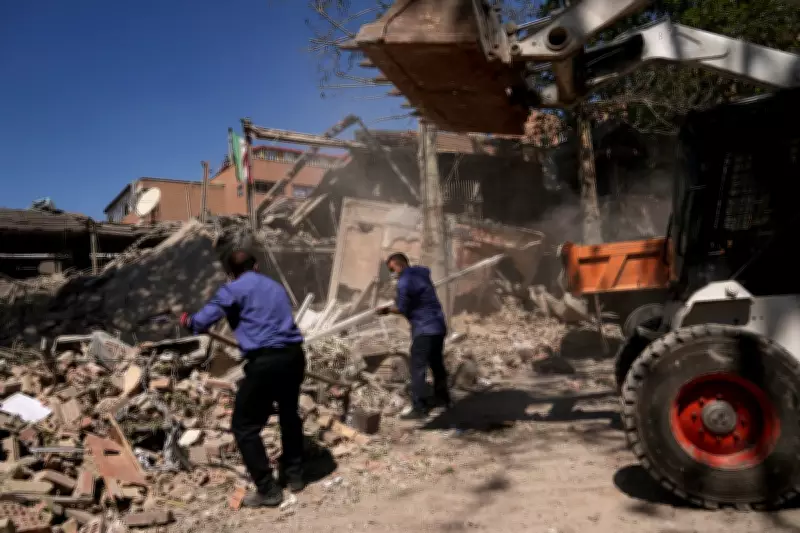
General Dan Caine, Chairman of the Joint Chiefs of Staff, stated this week that American forces have struck over 13,000 targets. He provided high percentages for the degradation of Iran's air defense networks, naval assets, and weapons manufacturing facilities. Defense Secretary Pete Hegseth echoed these claims, asserting that Iran no longer possesses a functional air defense system, though he later conceded that sporadic defensive fire remains possible.
Neither official elaborated on the composition of the remaining approximate 20% of Iran's air defenses or specified which regions retain this capability. This ambiguity follows an incident last week where an Iranian force downed a U.S. F-15E Strike Eagle using what President Trump described as a handheld, heat-seeking missile. This event underscores Tehran's enduring, albeit diminished, capacity to engage American aircraft.

Naval Capabilities and Strategic Implications
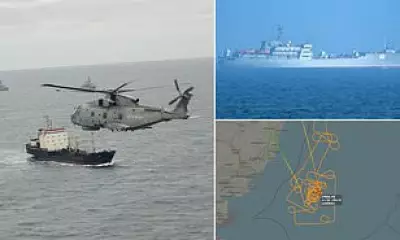
White House Press Secretary Karoline Leavitt declared the Iranian navy "completely annihilated," with General Caine noting that 150 Iranian ships have been sunk. However, only half of the paramilitary Revolutionary Guard's small attack boats, historically used to harass vessels in the Strait of Hormuz, have been destroyed. Additionally, the U.S. military reports destroying over 95% of Iran's naval mines, though the pre-war stockpile size remains undisclosed, leaving the remaining 5% unquantified.
Iranian semiofficial news agencies recently published a chart suggesting the Revolutionary Guard deployed sea mines in the Strait of Hormuz during the conflict, a critical oil trade route. Analysts interpret this as a pressure tactic ahead of scheduled negotiations in Pakistan involving Iran, Israel, and the United States. Independent observers note no significant alteration in merchant traffic through the strait since the ceasefire took effect.
Weapons Production and Nuclear Infrastructure
General Caine further reported that the U.S. and allied forces attacked approximately 90% of Iran's weapons factories, effectively destroying the nation's defense industrial base. He also indicated that nearly 80% of Iran's nuclear industrial infrastructure was hit, impeding efforts to develop nuclear weapons. While Iran's ability to produce specific components, such as solid rocket motors, has been compromised, Caine did not assert that reconstruction or alternative weapons procurement is impossible.
President Trump addressed this potential in a social media post, warning that any country supplying military weapons to Iran would face immediate 50% tariffs on all goods sold to the United States.
Israeli Defense Interception Rates
In a related development, Israel's military highlighted its aerial defense systems, reporting an interception rate exceeding 90% against drones and missiles. Over decades, Israel has cultivated a sophisticated detection and deployment system activated only when projectiles threaten population centers or critical infrastructure. Israeli leaders acknowledge the system is not infallible but credit it with preventing substantial damage and numerous casualties.
Independent data from the U.S.-based Armed Conflict Location & Event Data group indicates that Iranian strike activities persisted at a relatively steady pace from the conflict's inception on February 28 through Wednesday, suggesting ongoing operational capacity despite reported losses.